2009-J1817
Sponsored By
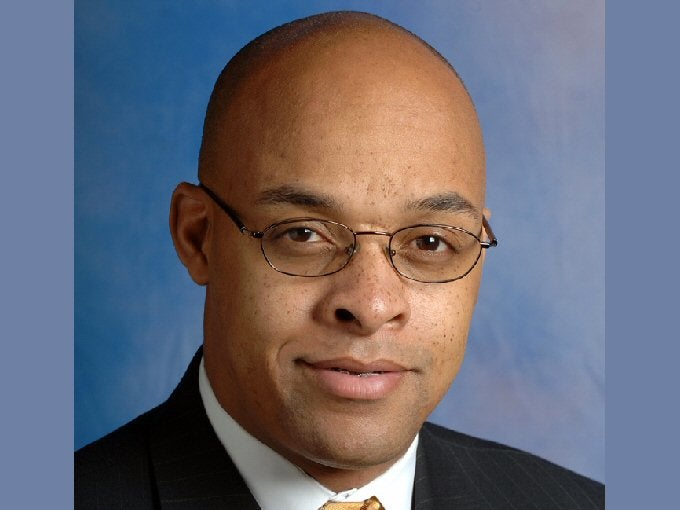
(D) Senate District
text
2009-J1817
LEGISLATIVE RESOLUTION commemorating the celebration of Cinco de Mayo,
May 5, 2009
WHEREAS, It is the sense of this Legislative Body, in keeping with its
time-honored traditions, to recognize and pay tribute to those events
which foster ethnic pride and enhance the profile of the cultural diver-
sity which strengthens the fabric of the communities of New York State;
and
WHEREAS, Attendant to this concern, and in full accord with its long-
standing traditions, this Legislative Body is justly proud to commem-
orate the celebration of Cinco de Mayo, May 5, 2009; and
WHEREAS, Cinco de Mayo is a date of great importance for the Mexican
and Chicano communities; it marks the victory of the Mexican army over
the French at the Battle of Puebla; and
WHEREAS, Although the Mexican army was eventually defeated, the
"Batalla de Puebla" came to represent a symbol of Mexican unity and
patriotism; with this victory, Mexico demonstrated to the world that
Mexico and all of Latin America were willing to defend themselves from
any foreign intervention, especially those from imperialist states bent
on world conquest; and
WHEREAS, Cinco de Mayo's history has its roots in the French occupa-
tion of Mexico; the French occupation took shape in the aftermath of the
Mexican-American War of 1846-1848; and
WHEREAS, With this war, Mexico entered a period of national crisis
during the 1850s; years of not only fighting the Americans but also a
Civil War, had left Mexico devastated and bankrupt; and
WHEREAS, On July 17, 1861, President Benito Juarez issued a moratorium
in which all foreign debt payments would be suspended for a brief period
of two years, with the promise that after this period, payments would
resume; and
WHEREAS, The English, Spanish and French refused to allow President
Juarez to do this, and instead decided to invade Mexico and get payments
by whatever means necessary; the Spanish and English eventually with-
drew, but the French refused to leave; their intention was to create an
Empire in Mexico under Napoleon III; and
WHEREAS, Some have argued that the true French occupation was a
response to growing American power and to the Monroe Doctrine (America
for the Americans); Napoleon III believed that if the United States was
allowed to prosper indiscriminately, it would eventually become a power
in and of itself; and
WHEREAS, In 1862, the French army began its advance; under General
Ignacio Zaragoza, 5,000 ill-equipped Mestizo and Zapotec Indians
defeated the French army in what came to be know as the "Batalla de
Puebla" on the fifth of May; and
WHEREAS, In the United States, the "Batalla de Puebla" came to be
known as simply "5 de Mayo" and unfortunately, many people wrongly
equate it with Mexican Independence which was on September 16, 1810,
nearly a 50 year difference; and
WHEREAS, Over the years Cinco de Mayo has become very commercialized
and many people see this holiday as a time for fun and dance; oddly
enough, Cinco de Mayo has become more of a Chicano holiday than a Mexi-
can one; and
WHEREAS, After serving in the United States Navy during World War II,
a man by the name of Cesar Estrada Chavez returned to work in the fields
of California and immediately began his fight for better wages, working
conditions and voter registration for the Mexican-American community;
and
WHEREAS, Cesar Chavez traveled throughout California speaking out in
support of workers' rights and, in 1962 he formed the National Farm
Workers Association (NFWA), today known as United Farm Workers (UFW);
and
WHEREAS, Throughout the rest of his life, Cesar Chavez continued to
lead strikes, organize boycotts and increase public awareness of the
problems of farm, field and migrant workers achieving some successes and
laying the groundwork for UFW organization and representation of Mexi-
can-Americans as well as other field workers; and
WHEREAS, Cesar Chavez was also amongst the first to protest the use of
toxic pesticides on our food supply; and
WHEREAS, Cesar Chavez died on April 23, 1993, having devoted his life
to improving the quality of life of others; and
WHEREAS, Cinco de Mayo is celebrated on a much larger scale here in
the United States than in Mexico; people of Mexican descent in the
United States celebrate this significant day by having parades, mariachi
music, folkloric dancing and other types of festive activities; and
WHEREAS, The celebration of Cinco de Mayo has contributed significant-
ly to the Mexican-American experience and to the preservation and
enhancement of the Mexican culture and heritage, adding so much to the
rich mosaic of which our great State and Nation are comprised; now,
therefore, be it
RESOLVED, That this Legislative Body pause in its deliberations to
commemorate the celebration of Cinco de Mayo, May 5, 2009.
actions
-
05 / May / 2009
- REFERRED TO FINANCE
-
05 / May / 2009
- REPORTED TO CALENDAR FOR CONSIDERATION
-
05 / May / 2009
- ADOPTED
Resolution Details
- Law Section:
- Resolutions, Legislative
Find and Follow Issues
Explore IssuesComments
Open Legislation is a forum for New York State legislation. All comments are subject to review and community moderation is encouraged.
Comments deemed off-topic, commercial, campaign-related, self-promotional; or that contain profanity, hate or toxic speech; or that link to sites outside of the nysenate.gov domain are not permitted, and will not be published. Attempts to intimidate and silence contributors or deliberately deceive the public, including excessive or extraneous posting/posts, or coordinated activity, are prohibited and may result in the temporary or permanent banning of the user. Comment moderation is generally performed Monday through Friday. By contributing or voting you agree to the Terms of Participation and verify you are over 13.
Create an account. An account allows you to sign petitions with a single click, officially support or oppose key legislation, and follow issues, committees, and bills that matter to you. When you create an account, you agree to this platform's terms of participation.