2009-J3004
Sponsored By
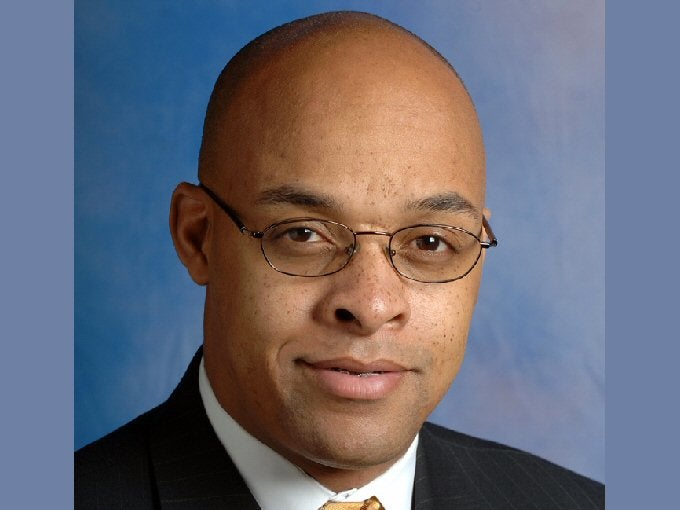
(D) Senate District
text
2009-J3004
LEGISLATIVE RESOLUTION urging the New York State Congressional deleg-
ation to express concern on the unnecessary rail transport of potential-
ly toxic chlorine, anhydrous ammonia and other ultra hazardous cargoes
through High Threat Urban Areas
WHEREAS, Major US railroads operate through the major cities of the
State of New York, bringing freight which includes chlorine gas, anhyd-
rous ammonia, and other hazardous cargoes of concern to federal homeland
security officials; and
WHEREAS, The cities of New York City, Albany, Buffalo, Rochester, and
Syracuse in the state are classified as High Threat Urban Areas by the
U.S. Department of Homeland Security according to their 2008 list; and
WHEREAS, Liquefied chlorine gas and anhydrous ammonia rail shipments,
of the highest concern to homeland security officials, total nearly
100,000 railcars per year in the US as reported by experts on chemical
accident prevention; and
WHEREAS, The current routes used by major railroads pass within yards
of our cities' residential neighborhoods, through downtown and near many
potential terrorism targets including sports arenas, monuments, enter-
tainment centers, historic buildings, city icons, government buildings
and other significant areas where large numbers of people gather daily;
and
WHEREAS, Possible alternative rail routes could transfer the most
dangerous chemical cargoes onto available non-target lines that skirt
well around the High Threat Urban Areas and would therefore significant-
ly reduce the risk of terrorism and the detrimental effects of acci-
dental releases; and
WHEREAS, According to recent congressional records, the Association of
American Railroads testified in Congress that when railroads transport-
ing toxic gas cargoes travel through major cities they are "risking the
company" since they are uninsured for the potential $10 billion in
damages that could result from a major release and thus asked Congress
to indemnify them in the case of a release; and
WHEREAS, Chlorine is classified as a Toxic Inhalation Hazard by the
U.S. Department of Homeland Security; and
WHEREAS, The Chlorine Institute estimates that one chlorine tank car
can release a cloud at a potentially lethal level that extends 15 miles
downwind and four miles wide; and
WHEREAS, Recent filings by Union Pacific Railroad and others with the
U.S. Surface Transportation Board indicate clearly that railroads trans-
port many chlorine gas cargoes hundreds, even thousands of miles across
the US, on routes Union Pacific says endanger millions of Americans en
route, and some of which no doubt routinely traverse the High Threat
Urban Areas; and
WHEREAS, A recent statement submitted to the U.S. Department of Trans-
portation by PPG Industries of Monroeville, Pennsylvania, indicates that
regulations do not require competing railroads to cooperate with one
another to find alternative routes available that can lower terrorism
risk for chlorine shipments but that these rules allow railroads to
refuse cooperating with each other to use alternative routes which can
result in unnecessarily placing shipments onto routes hundreds of miles
longer and through major target urban areas because of competition with
one another; and
WHEREAS, Immediately after the 9/11 attacks, chlorine and other ultra
hazardous railcars were promptly ordered off the tracks and brought to
"safe havens" and since this date, according to authors and advocates on
this subject, the US Surface Transportation Board filings indicate that
federal agencies have been quietly meeting with railroads and shippers
to try, with little success, to shorten chlorine and other ultra hazard-
ous cargo routes to reduce terrorism risks; and
WHEREAS, In recent years, chemical releases from railcars in major
cities have forced the evacuation of thousands of residents for days at
a time, costing the cities hundreds of thousands of dollars during the
emergency and resulting in settlements that individually cost the cities
and/or railroads millions of dollars to reimburse residents and busi-
nesses harmed by the releases; and
WHEREAS, In January of 2005, the derailment of a Norfolk Southern
railcar in Graniteville, South Carolina, released at least 90 tons of
chlorine gas resulting in nine deaths, 250 injuries and the evacuation
of 5400 residents for nearly two weeks; and
WHEREAS, A "Midnight Regulation" finalized by the Bush Adminis-
tration's Federal Railroad Administration, effective December 26, 2008,
provides that throughout 2009 each individual railroad can unilaterally
analyze and select its urban hazardous cargo routes with no significant
input from state and local officials, despite protests from some cities
and the National Conference of State Legislatures for being cut out of
major public safety decision making process; and
WHEREAS, The new rules require only that railroads "consider" using
competitors' rail lines not that they actually interchange cargoes to
bypass target areas, nor that railroads allow other carriers to use
their tracks, nor that they consider allowing another carrier access to
their customers despite requests from shippers, state and local govern-
ments as illustrated in comments of PPG Industries submitted to Congress
in 2008; and
WHEREAS, Local and state governments have a direct interest in
protecting their communities from the threat of hazardous materials
releases; now, therefore, be it
RESOLVED, That the New York State Congressional delegation be and
hereby is respectfully memorialized by this Legislative Body to express
concern on the unnecessary rail transport of potentially toxic chlorine,
anhydrous ammonia and other ultra hazardous cargoes through our High
Threat Urban Areas; and be it further
RESOLVED, That this Legislative Body urge Congress and the Obama
Administration to revise the routing law and the routing rule to include
requirements that railroads work together with mandated inputs from
state and local officials to determine the safest and most secure routes
for these cargoes that involve all carriers; and be it further
RESOLVED, That this Legislative Body urges the New York State Office
of Homeland Security to contact the railroads operating through the
state and to request participation in their routing analyses, route
selections and planning that impact our citizens and to assess the
adequacy of the transportation security vulnerability assessments and
security plans produced by the railroads for routing and storage of
hazardous shipments that place our citizens at risk throughout the area;
and be it further
RESOLVED, That copies of this Resolution, suitably engrossed, be tran-
smitted to each member of the Congressional delegation from the State of
New York, and to the Director of the New York State Office of Homeland
Security.
actions
-
02 / Sep / 2009
- REFERRED TO FINANCE
Resolution Details
- Law Section:
- Resolutions, Legislative
Find and Follow Issues
Explore IssuesComments
Open Legislation is a forum for New York State legislation. All comments are subject to review and community moderation is encouraged.
Comments deemed off-topic, commercial, campaign-related, self-promotional; or that contain profanity, hate or toxic speech; or that link to sites outside of the nysenate.gov domain are not permitted, and will not be published. Attempts to intimidate and silence contributors or deliberately deceive the public, including excessive or extraneous posting/posts, or coordinated activity, are prohibited and may result in the temporary or permanent banning of the user. Comment moderation is generally performed Monday through Friday. By contributing or voting you agree to the Terms of Participation and verify you are over 13.
Create an account. An account allows you to sign petitions with a single click, officially support or oppose key legislation, and follow issues, committees, and bills that matter to you. When you create an account, you agree to this platform's terms of participation.