2009-J4900
Sponsored By
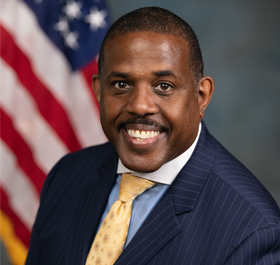
(D, WF) 21st Senate District
text
2009-J4900
LEGISLATIVE RESOLUTION mourning the death of rapper Keith "Guru" Elam, a
lyrical icon
WHEREAS, It is the sense of this Legislative Body to honor and pay trib-
ute to those individuals whose commitment and creative talents have
contributed to the entertainment and cultural enrichment of their commu-
nity and the entire State of New York; and
WHEREAS, Keith "Guru" Elam of Brooklyn, New York, died on Monday,
April 19, 2010, at the age of 47; he was an American emcee and member of
the hip-hop duo Gang Starr; and
WHEREAS, Born Keith Elam in the Roxbury section of Boston, Massachu-
setts, on July 17, 1962, he began his career in the mid-1980s as MC
Keithy E, but soon switched to Guru which he later turned into the acro-
nym (Gifted Unlimited Rhymes Universal); and
WHEREAS, Before beginning his rap career in earnest, Guru graduated
from Morehouse College in Atlanta, Georgia, in 1983 and later took grad-
uate classes at the Fashion Institute of Technology in Manhattan; and
WHEREAS, Guru came to be known as one of the formative rappers of the
flourishing New York hip-hop scene of the late 1980s and early 1990s; in
1988, after an early version of Gang Starr splintered, Guru met Christo-
pher Martin "DJ Premier", a Houston, Texas, transplant to Brooklyn,
forming a partnership that would lead to six influential and critically
acclaimed albums, two of which, "Moment of Truth" and the hits
collection "Full Clip", were certified gold; and
WHEREAS, Known for social themes, together, Guru and DJ Premier made
archetypal East Coast rap, sharp-edged but not aggressive, full of
clear-eyed storytelling that was suavely executed; and
WHEREAS, In the early 1990s, as hip-hop was developing into a signif-
icant commercial force, Gang Starr remained committed by being anti-os-
tentatious; as a lyricist, Guru was often a weary moralist weighed down
by the tragedy surrounding him, though the group's music was almost
always life-affirming, never curmudgeonly; and
WHEREAS, Guru's music bridged generations in part thanks to his
career-long engagement with jazz, even after hip-hop largely ended its
flirtation with it in the early 1990s; as a solo artist, he released
four volumes of his "Jazzmatazz" series, the first of which, from 1993,
was one of the most influential in the fleeting jazz-rap movement; and
"Jazz Thing" a Gang Starr collaboration with Branford Marsalis, was used
over the closing credits of the Spike Lee film "Mo' Better Blues"; and
WHEREAS, Guru's father, Harry Elam, was the first black judge in the
Boston municipal courts, and his mother, Barbara, was the co-director of
library programs in the Boston public school system; Tricia Elam, Guru's
sister, said that even from a young age, Guru was "creative like
crazy,"; and
WHEREAS, Although dynamic and curious, eager and ambitious, Guru's
artistic impulses did not neatly line up with his middle-class upbring-
ing; and
WHEREAS, For all of Guru's gifts as a storyteller, songs like "Just to
Get a Rep" are among the starkest tales hip-hop has told; he benefited
from an unusually forceful voice, rich and burred around the edges; and
WHEREAS, A man of colossal talent and charisma, Keith "Guru" Elam will
be missed by his family, his fans and all who knew him; his dedication
to his music and his heritage leaves an indelible legacy of inspiration
for other artists and for his community; now, therefore, be it
RESOLVED, That this Legislative Body pause in its deliberations to
mourn the death of rapper Keith "Guru" Elam, a lyrical icon; and be it
further
RESOLVED, That a copy of this Resolution, suitably engrossed, be tran-
smitted to the family of Keith "Guru" Elam.
actions
-
26 / Apr / 2010
- REFERRED TO FINANCE
-
04 / May / 2010
- REPORTED TO CALENDAR FOR CONSIDERATION
-
04 / May / 2010
- ADOPTED
Resolution Details
- Law Section:
- Resolutions, Legislative
Find and Follow Issues
Explore IssuesComments
Open Legislation is a forum for New York State legislation. All comments are subject to review and community moderation is encouraged.
Comments deemed off-topic, commercial, campaign-related, self-promotional; or that contain profanity, hate or toxic speech; or that link to sites outside of the nysenate.gov domain are not permitted, and will not be published. Attempts to intimidate and silence contributors or deliberately deceive the public, including excessive or extraneous posting/posts, or coordinated activity, are prohibited and may result in the temporary or permanent banning of the user. Comment moderation is generally performed Monday through Friday. By contributing or voting you agree to the Terms of Participation and verify you are over 13.
Create an account. An account allows you to sign petitions with a single click, officially support or oppose key legislation, and follow issues, committees, and bills that matter to you. When you create an account, you agree to this platform's terms of participation.