2011-J1018
Sponsored By
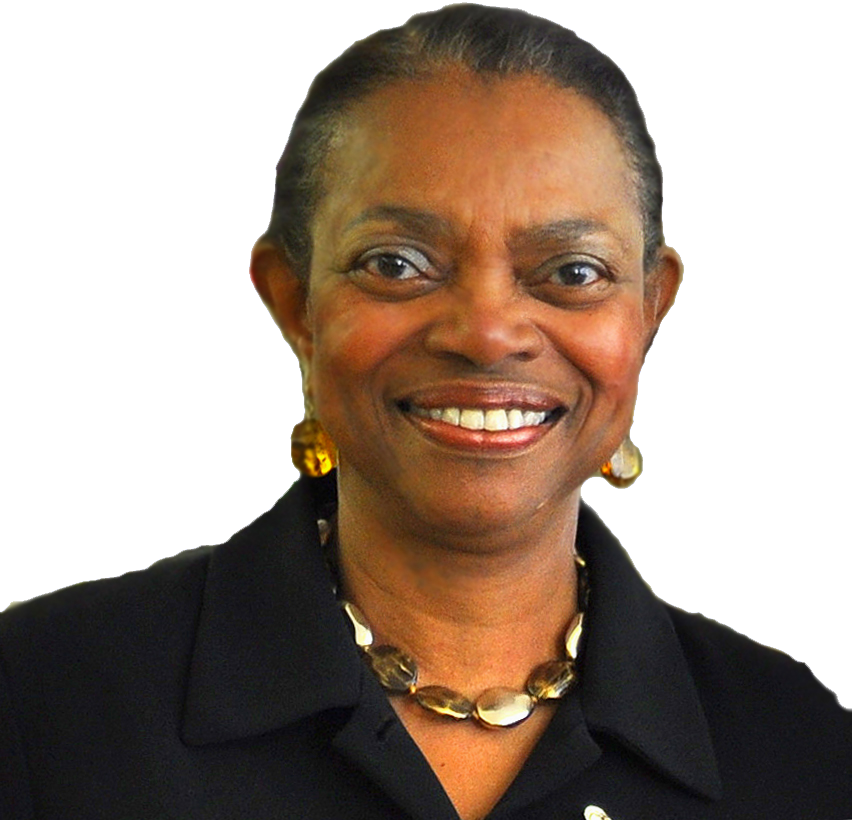
(D) Senate District
text
2011-J1018
LEGISLATIVE RESOLUTION commending the Bridge Street African Wesleyan
Methodist Episcopal Church of Brooklyn, New York, upon the occasion of
celebrating its 245th Anniversary on February 27, 2011
WHEREAS, It is the custom of this Legislative Body to celebrate the
milestones of those enduring places of worship within the State of New
York which serve the spiritual needs of our citizens; and
WHEREAS, Attendant to such concern and in full accord with its long-
standing traditions, this Legislative Body is justly proud to commend
the Bridge Street African Wesleyan Methodist Episcopal Church of Brook-
lyn, New York, upon the occasion of its 245th Anniversary which was
celebrated on Sunday, February 27, 2011; and
WHEREAS, Located in the heart of Bedford/Stuyvesant, the Bridge Street
African Wesleyan Methodist Episcopal Church is documented as the oldest
continuing Black congregation in Brooklyn; and
WHEREAS, The Bridge Street African Wesleyan Methodist Episcopal Church
traces its missionary origin back to Thomas Webb, a British Captain and
a convert of John Wesley, the father of Methodism in America, who began
holding open-air services in 1766; and
WHEREAS, In 1794, the congregation of Caucasians, free Negroes, and
ex-slaves purchased land from Joshua Sands, a landowner, and built a
small church, the Sands Street Wesleyan Methodist Episcopal Church; and
WHEREAS, The congregation grew rapidly and needed a larger place to
worship; the First Methodist Episcopal Church of Brooklyn was completed
in 1810 and had a mixed congregation of about 1,500 members; and
WHEREAS, Over the next few years, the membership increased rapidly,
however, relations between Black and White congregants began to deteri-
orate; the Black membership withdrew from the First Methodist Episcopal
Church of Brooklyn and temporarily worshipped in each others' homes; and
WHEREAS, A society was formed in 1817 to raise funds to buy land on
which to build a new church; the male members of the society met in 1818
to choose trustees and to appoint a delegation to travel to Philadelphia
to see Bishop Richard Allen of the African Wesleyan Methodist Episcopal
Church about sending a preacher for the new church and to ordain several
of the delegates as local preachers, beginning the affiliation with the
AWME Church; and
WHEREAS, On January 19, 1818, Peter and Benjamin Croger went before
Magistrate John Garrison, of the then Court of Common Pleas in Kings
County, and filed a Certificate of Election; it was approved on February
7, 1818, incorporating the first African Wesleyan Methodist Episcopal
Church in the Village of Brooklyn, State of New York; and
WHEREAS, The church corporation purchased land located on the east
side of High Street near Jay Street on July 21, 1819, where the first
African Wesleyan Methodist Episcopal Church in Brooklyn was built; and
WHEREAS, When slavery was abolished in New York State in 1827, the
African Wesleyan Methodist Episcopal Church set up an educational system
for African-American youngsters; the cornerstone of the African Free
School was laid on September 25, 1827, under the direction of Henry C.
Thompson; and
WHEREAS, The African Wesleyan Methodist Episcopal Church bought the
property at 309 Bridge Street from the trustees of the First Congrega-
tional Church on July 12, 1854; on the first Sunday in August 1854, The
Reverend James Morris Williams marched his congregation from High Street
to its new church, where worship continued until 1938; the church became
known as the Bridge Street African Wesleyan Methodist Episcopal Church;
and
WHEREAS, On December 4, 1938, The Reverend Mansfield E. Jackson, the
52nd pastor of the Bridge Street African Wesleyan Methodist Episcopal
Church, marched his congregation from 309 Bridge Street to its present
home at 277 Stuyvesant Avenue, which had been purchased from the Grace
Presbyterian Church; and
WHEREAS, In February 2000, the Bridge Street African Wesleyan Metho-
dist Episcopal Church entered its third century of service under the
pastorate of The Reverend David B. Cousin, Sr., the 60th pastor of this
historic congregation and one of five preaching sons of Bishop Philip R.
Cousin of the AME Church; and
WHEREAS, Today, the Bridge Street African Wesleyan Methodist Episcopal
Church in Brooklyn, New York, stands on the threshold of tomorrow,
prepared to meet the challenges of the coming decades while retaining
that spiritual resolve which characterizes its past; now, therefore, be
it
RESOLVED, That this Legislative Body pause in its deliberations to
commend the Bridge Street African Wesleyan Methodist Episcopal Church of
Brooklyn, New York, upon the occasion of celebrating its 245th Anniver-
sary; and be it further
RESOLVED, That a copy of this Resolution, suitably engrossed, be tran-
smitted to the Bridge Street African Wesleyan Methodist Episcopal
Church.
actions
-
24 / Mar / 2011
- REFERRED TO FINANCE
-
29 / Mar / 2011
- REPORTED TO CALENDAR FOR CONSIDERATION
-
29 / Mar / 2011
- ADOPTED
Resolution Details
- Law Section:
- Resolutions, Legislative
Find and Follow Issues
Explore IssuesComments
Open Legislation is a forum for New York State legislation. All comments are subject to review and community moderation is encouraged.
Comments deemed off-topic, commercial, campaign-related, self-promotional; or that contain profanity, hate or toxic speech; or that link to sites outside of the nysenate.gov domain are not permitted, and will not be published. Attempts to intimidate and silence contributors or deliberately deceive the public, including excessive or extraneous posting/posts, or coordinated activity, are prohibited and may result in the temporary or permanent banning of the user. Comment moderation is generally performed Monday through Friday. By contributing or voting you agree to the Terms of Participation and verify you are over 13.
Create an account. An account allows you to sign petitions with a single click, officially support or oppose key legislation, and follow issues, committees, and bills that matter to you. When you create an account, you agree to this platform's terms of participation.