2011-J609
Sponsored By
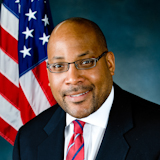
(D, WF) Senate District
text
2011-J609
LEGISLATIVE RESOLUTION commemorating the 245th Anniversary of the Afri-
can Wesleyan Methodist Episcopal Church of Brooklyn, New York
WHEREAS, Religious institutions, and the many spiritual, social and
educational benefits they confer, play a vital role in the development
of the moral fabric of a responsible citizenry; and
WHEREAS, It is the tradition of this State and this Nation to pay
tribute to those institutions and individuals who have contributed to
the ethical and spiritual values of their communities; and
WHEREAS, This Legislative Body takes pleasure in commemorating the
245th Anniversary of the African Wesleyan Methodist Episcopal Church of
Brooklyn, New York; and
WHEREAS, The African Wesleyan Methodist Episcopal Church is located at
277 Stuyvesant Avenue; organized in 1766 and incorporated in 1818, this
church is the oldest continuing Black Congregation in Brooklyn/Long
Island; from 1854 to 1938, this historic congregation worshipped at 309
Bridge Street and came to be known as Bridge Street AWME Church, one of
the stops on the Underground Railroad; and
WHEREAS, In 1817, the black population of the downtown Brooklyn area
grew and many newcomers sought places of worship; some of them joined
the predominantly white First Methodist Episcopal Church of Brooklyn,
popularly known as Sands Street Methodist Church even though the
increase in black membership caused great alarm among the white congre-
gants; and
WHEREAS, One of the reasons why most African-Americans in Brooklyn
wanted to organize their own church and had left the First Methodist
Episcopal Church of Brooklyn on Sands Street was because of white
resentment for the increase of black members; as a result, church offi-
cials charged people of African origin ten dollars per quarter in order
to worship at Sands; and
WHEREAS, Deciding that it was better to form their own congregation
than endure insults and attacks on their humanity, African-Americans
collectively withdrew from Sands and held religious services in their
homes; this particular action demonstrated the determination of Afri-
can-Americans to oppose racism and their desire for independence, and
they sent a delegation to Philadelphia in order to meet with Richard
Allen, the founder of the African Methodist Episcopal Church (AME), to
seek recognition in the African Methodist Episcopal body and a minister
for the new congregation; and
WHEREAS, The men of the new congregation selected a trustee board,
which applied for and received official recognition from the State of
New York as the First African Wesleyan Methodist Episcopal Church
(AWME); by taxing each member fifty cents a month, the new congregation
raised enough money in 1819 to purchase land on High Street and build
its first church; in 1854, after moving to Bridge Street in Brooklyn,
the church changed its name to Bridge Street African Wesleyan Methodist
Episcopal Church; and
WHEREAS, Today, the African Wesleyan Methodist Episcopal Church stands
on the threshold of tomorrow, prepared to meet the challenges of the
coming decades while retaining that spiritual resolve which character-
izes its past; and
WHEREAS, It is the custom of this Legislative Body to take note of
enduring religious institutions and to bring such institutions to the
attention of the people of this Empire State; now, therefore, be it
RESOLVED, That this Legislative Body pause in its deliberations to
commemorate the 245th Anniversary of the African Wesleyan Methodist
Episcopal Church of Brooklyn, New York, fully confident that this
commemoration reflects the belief in those values which enhance the
dignity and purpose of life; and be it further
RESOLVED, That a copy of this Resolution, suitably engrossed, be tran-
smitted to Reverend David B. Cousin, Pastor of African Wesleyan Metho-
dist Episcopal Church.
actions
-
22 / Feb / 2011
- REFERRED TO FINANCE
-
01 / Mar / 2011
- REPORTED TO CALENDAR FOR CONSIDERATION
-
01 / Mar / 2011
- ADOPTED
Resolution Details
- Law Section:
- Resolutions, Legislative
Find and Follow Issues
Explore IssuesComments
Open Legislation is a forum for New York State legislation. All comments are subject to review and community moderation is encouraged.
Comments deemed off-topic, commercial, campaign-related, self-promotional; or that contain profanity, hate or toxic speech; or that link to sites outside of the nysenate.gov domain are not permitted, and will not be published. Attempts to intimidate and silence contributors or deliberately deceive the public, including excessive or extraneous posting/posts, or coordinated activity, are prohibited and may result in the temporary or permanent banning of the user. Comment moderation is generally performed Monday through Friday. By contributing or voting you agree to the Terms of Participation and verify you are over 13.
Create an account. An account allows you to sign petitions with a single click, officially support or oppose key legislation, and follow issues, committees, and bills that matter to you. When you create an account, you agree to this platform's terms of participation.