An Affordable New York
January 28, 2026
-
ISSUE:
- Affordability

2025 Report
New York State is in the middle of an affordability crisis that has been raging in the state for years. Across the State, from Long Island to New York City to the Hudson Valley, and upstate counties, residents are facing the same crisis, the cost of living in New York has outpaced wages, economic growth, and opportunity. Families, seniors, small business owners, and young professionals alike are being priced out of the State by skyrocketing housing and childcare costs, utility and energy bills, insurance premiums and highest-in-the-nation taxes and burdensome regulations.
New York consistently ranks among the least affordable states in America.1 Despite New York City being the economic center of the world and the State being rich in natural resources, the cost of living continues to rise faster than the national average. The cost of everyday necessities like housing, food, energy, health care, transportation, and childcare continue to outpace the increase in household income. The affordability crisis not only impacts working families, but also affects retirees on fixed incomes, young adults seeking to build a life in New York, and small businesses struggling to keep their doors open under the weight of high taxes and operational costs.
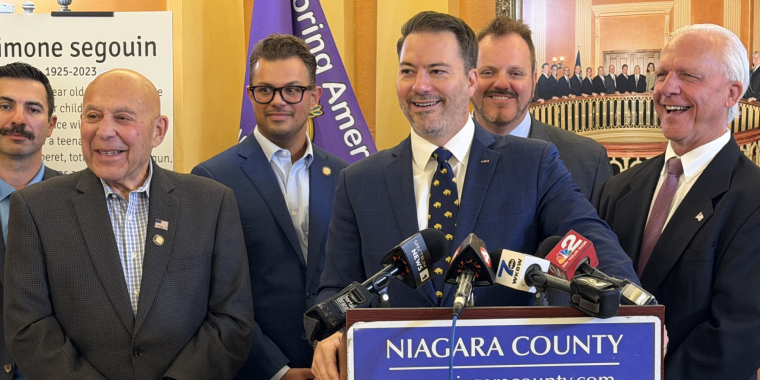
The Senate Republican Conference held a series of affordability roundtables across New York State seeking answers and solutions on how to make New York more affordable to residents and businesses.
These roundtables brought together local officials, community leaders, business owners, childcare providers, members of labor and members of the local communities to share firsthand experiences and discuss solutions to lower costs. The roundtables highlighted that the state must take a comprehensive approach to affordability as policies in one sector, such as energy or housing, often ripple into others, compounding the burden on everyday New Yorkers.
The discussions focused on several key areas driving the state’s affordability challenges: taxes and regulations, energy and utility costs, housing, childcare, insurance, transportation and commuting costs, and food and grocery prices. Participants emphasized that financial pressures from all of these have made life much more difficult for New York residents and businesses.