Senator Ryan Introduces Legislation Responding to School District Concerns on Zero-Emission Bus Mandate
April 7, 2026
-
ISSUE:
- EV buses
- CLCPA
- Nuclear power
- District 50
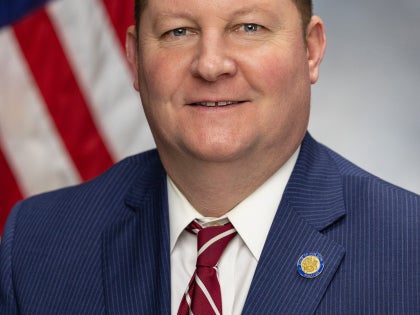
State Senator Christopher J. Ryan (SD-50) today announced new legislation aimed at addressing growing concerns raised by school districts across New York regarding the implementation of the state’s zero-emission school bus mandate. After hearing directly from superintendents, transportation directors and school leaders throughout Central New York and beyond, Senator Ryan introduced two bills designed to bring flexibility, safety and practicality to the transition.
One bill, S.9667, would delay the current zero-emission school bus mandate by five years—adjusting the timeline so districts would be required to purchase or lease electric buses by 2032 and fully transition their fleets by 2040.
A second bill, S.9609, provides a targeted exemption for school districts located within the 10-mile Plume Exposure Pathway Emergency Planning Zone of a nuclear power facility, recognizing the unique role these districts play in large-scale emergency evacuations and the operational demands placed on their transportation fleets.
“Over the past several months, we’ve heard loud and clear from our school districts—this transition, while important, must be done in a way that is realistic, safe, and fiscally responsible,” said Senator Ryan. “District leaders are committed to reducing emissions and doing their part to combat climate change, but they are also responsible for getting students to and from school safely every single day, including in emergencies. These bills reflect what we’ve heard: the need for flexibility, the need for time, and the need for policies that recognize real-world challenges.”
School districts have raised concerns about the cost of transitioning fleets, the availability of charging infrastructure, and the current limitations of zero-emission bus technology—particularly in rural areas and regions with unique operational responsibilities. In districts located within federally designated emergency planning zones, transportation fleets play a required role in established emergency preparedness plans. While such events are highly unlikely, these plans depend on consistent, reliable transportation capacity to ensure communities can respond effectively if ever needed.
“These are not abstract concerns, they are practical, day-to-day realities for the people responsible for student safety,” Ryan continued. “We are listening, and we are acting to ensure that state policy supports—not hinders—our schools’ ability to serve their communities. New York can lead on climate while still listening to the people on the ground,” Ryan said. “That’s exactly what this legislation does.”
The legislation builds on ongoing conversations with school districts, BOCES, and transportation providers, and reflects a broader effort to ensure that New York’s clean energy goals are implemented in a way that is both achievable and grounded in the needs of local communities.
related legislation
Newsroom
Go to NewsroomSenator Ryan Awards $120,000 to the Cicero Senior Center
October 20, 2026