| Date of Action |
Assembly Actions -
Lowercase Senate Actions - UPPERCASE |
|---|---|
| Nov 20, 2026 |
print number 10706a |
| Nov 20, 2026 |
amend and recommit to rules |
| Sep 23, 2026 |
referred to rules |
Find your Senator and share your views on important issues.
Senate Bill S10706A
2025-2026 Legislative Session
Relates to judicial diversion programs; repealer
download bill text pdfShare this bill
Sponsored By
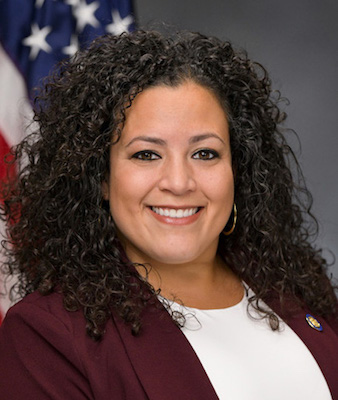
(D) 34th Senate District
Current Bill Status - In Senate Committee Rules Committee
- Introduced
-
- In Committee Assembly
- In Committee Senate
-
- On Floor Calendar Assembly
- On Floor Calendar Senate
-
- Passed Assembly
- Passed Senate
- Delivered to Governor
- Signed By Governor
Actions
Bill Amendments
2025-S10706 - Details
- See Assembly Version of this Bill:
- A4869
- Current Committee:
- Senate Rules
- Law Section:
- Criminal Procedure Law
- Laws Affected:
- Rpld §216.00 sub 1 ¶¶(a) & (b), cl ¶, amd CP L, generally; amd §212, Judy L
- Versions Introduced in Other Legislative Sessions:
-
2019-2020:
S8687
2021-2022: S2881, A8524
2023-2024: S1976, A1263
2025-S10706 - Sponsor Memo
BILL NUMBER: S10706

SPONSOR: FERNANDEZ

TITLE OF BILL:

An act to amend the criminal procedure law and the judiciary law, in
relation to judicial diversion programs; and to repeal certain
provisions of the criminal procedure law relating thereto


PURPOSE OR GENERAL IDEA OF BILL:

1. To create a judicial diversion program that provides an appropriate
therapeutic and trauma-informed response for people with functional
impairments;

2. To ensure that treatment provided through the court's judicial diver-
sion program is grounded in scientifically validated best practices for
recovery and rehabilitation that incorporate harm reduction principles
and make harm reduction opportunities in the community available to the
participant;

3. To acknowledge that treatment and long-term recovery are most
successful when the person seeking treatment is an active and willing
participant in their own recovery and that treatment plans are flexible
and can be modified throughout the treatment process to meet the partic-
ipant's needs;

4. To minimize the harm of incarceration for people with functional
impairments by limiting the ability of courts to incarcerate or sanction
people who qualify for judicial diversion; and

5. To make judicial diversion programs and treatment accessible to all
people with functional impairments who qualify, regardless of where
someone lives, their ability to pay for treatment, whether they have
attempted treatment in the past or any other barrier to access.


SUMMARY OF PROVISIONS:

Section 1 amends the title of Article 216 of the criminal procedure law.

Section 2 amends the opening paragraph of subdivision 1 of section
216.00 of the criminal procedure law to expand the definition of "Eligi-
ble defendant" to include any individual who has a qualifying diagnosis
as defined in the legislation who is charged with a misdemeanor or felo-
ny, with the exception of those charged with a non-drug class A felony
offense or a class B felony offense pursuant to Article 130 of the Penal
Law, unless those charged with these presumptively excluded offenses
obtain the consent of the prosecutor and the court.

Section 3 amends the opening paragraph of subdivision 1 of section
216.00 of the criminal procedure law to expand the definition of "Eligi-
ble defendant" to include any individual who has a qualifying diagnosis
as defined in the legislation who is charged with a misdemeanor or felo-
ny, with the exception of those charged with a non-drug class A felony
offense or a class B felony offense pursuant to Article 130 of the Penal
Law, unless those charged with these presumptively excluded offenses
obtain the consent of the prosecutor and the court.


Section 4 repeals paragraphs (a) and (b) and the closing paragraph of
subdivision 1 of section 216.00 of the criminal procedure law.

Section 5 amends existing definitions for judicial diversion courts.

Section 6 amends the court procedures for judicial diversion programs in
article 216 of the criminal procedure law.

Section 7 creates a new subsection that clarifies that each county shall
have a diversion part and judges in that part must have additional
training, that treatment must come at no cost to the defendant and
requires annual reporting by the office of court administration on
diversion part outcomes.

Section 8 amends section 170.15 of the criminal procedure law to explic-
itly authorize judicial diversion court judges to transfer misdemeanor
cases in treatment court to the treatment court in the county in which
the participant resides so that treatment court participants can receive
treatment in the county in which they reside.

Section 9 amends section 180.20 of the criminal procedure law to explic-
itly authorize judicial diversion court judges to transfer unindicted
felonies in treatment court to the treatment court in the county in
which the participant resides so that treatment court participants can
receive treatment in the county in which they reside.

Section 10 amends the title of section 230.21 of the criminal procedure
law and amends section 230.21 of the criminal procedure law to explicit-
ly authorize judicial diversion court judges to transfer indicted felo-
nies in treatment court to the treatment court in the county in which
the participant resides so that treatment court participants can receive
treatment in the county in which they reside.

Section 11 amends section 212 of the judiciary law to reflect the change
in the nature of judicial diversion pursuant to the proposed amendments
to article 216.

Section 12 amends section 160.58 of the criminal procedure law to update
diversion sealing provisions.

Section 13 and 14 amends sections 210.40 and 170.40 of the criminal
procedure law to allow judges to consider a rejection from a diversion
program on the basis of unavailability of resources in applications for
dismissal in the interest of justice.

Section 15 states that the bill becomes effective within one year of
signature.


JUSTIFICATION:

This bill will ensure that New Yorkers with substance use disorders,
mental health concerns, and other disabilities have an off-ramp from the
criminal legal system to obtain treatment and support in their communi-
ties. Currently, mental health or other treatment courts are not avail-
able in most counties in the state, and many treatment courts have
significant barriers to access that ensure that, often, the people most
in need of treatment and support are not able to get them. This bill
will expand existing law authorizing drug treatment courts to accept
people with mental health concerns, intellectual disabilities and other
disabilities that impair their functioning in society. Importantly, the
bill also requires state courts to ensure that people with disabilities
(as defined by the federal Americans with Disabilities Act) who partic-
ipate in judicial diversion programs are afforded the protections they
are entitled to, pursuant to OLMSTEAD V. L.C., 527 U.S. 581 (1999),
while undergoing treatment. This legislation amends Criminal Procedure
Law Article 216 to create treatment court alternatives for people with
disabilities. This means not only people with substance use disorders or
mental illness, but also people with intellectual disabilities, traumat-
ic brain injury, dementia, chronic diseases, significant physical
impairments or other conditions that may have contributed to the defend-
ant's involvement in the criminal legal system or that would make jail
or prison a crueler outcome than for people without disabilities. The
bill also removes significant barriers to entry that ensure that the
people most in need of help can get it. The bill increases due process
protections for people with cases in these courts to ensure that they
are not jailed or remanded summarily. Finally, the bill extends treat-
ment courts to people charged with misdemeanor offenses. There are thou-
sands of people who are frequently targeted by police and/or arrested
for low-level misdemeanors or violations. To the extent that people are
likely to serve jail time related to these charges, these people should
also have access to treatment courts if they so desire. All partic-
ipants in judicial diversion programs will be entitled to robust privacy
protections afforded by federal law with only limited exceptions. The
Treatment Not Jail Act clarifies that admission to a judicial diver-
sion program will no longer require a plea of guilty in New York State.
A pre-plea, pre-adjudication pro gram preserves due process rights,
allows accused people an opportunity to seek treatment, and provides a
strong incentive for successful completion. If the participant success-
fully completes the program, the charge is dismissed. If the participant
does not succeed, the traditional court process can be pursued. This
change recognizes the strong body of scientific evidence that shows that
long-term success for treatment of addiction or mental illness requires
buy-in from the participant. Courts that rely on coercive methods will
not achieve the legislature's long-term goal of fostering lasting treat-
ment success.

Finally, the Treatment Not Jail Act does not exclude participants based
on alleged offenses. Data indicates that a person with mental illness is
more likely to be a victim of violent crime than the perpetrator. See
Noman Ghiasi, Yusra Azhar & Jasbir Singh, "Psychiatric Illness and
Criminality," StatPearls (2020).  Additionally, studies show that diver-
sion programs promote public safety and that people charged with
"violent" offenses do just as well in treatment as those charged with
"non-violent" ones. Michelle Naples & Henry J. Steadman "Can Persons
with Co-occurring Disorders and Violent Charges Be Successfully
Diverted?" 2 International Journal of Forensic Mental Health 137-143
(2003). Indeed, most acts of violence committed by people with serious
mental illness are carried out when they are not being treated. Treat-
ment Advocacy Center, Office  of Research and Public Affairs, "Risk
Factors For Violence" (June 2016). This bill adopts a smarton-crime
approach to ensuring that people most in need of treatment have access
to specialized services they need while also making our communities
safer and more resilient

LEGISLATIVE HISTORY:

2023-24: S1976B (Ramos) Referred to Alcoholism and Substance Abuse /
A1263B (Forrest) Referred to Codes

2021-22: S2881B (Ramos) Referred to Alcoholism and Substance Abuse /
A8524A (Forrest) Referred to Codes

2019-20: S8687 (Ramos) Referred to Rules


FISCAL IMPACT:

TBD


EFFECTIVE DATE:  This act shall take effect one year after it shall
have become a law; provided, however that the amendments to the opening
paragraph of subdivision 1 of section 216.00 of the criminal procedure
law made by section two of this act shall be subject to the expiration
and reversion of such paragraph pursuant to section 12 of chapter 90 of
the laws of 2014, as amended, when upon such date the provisions of
section three of this act shall take effect.
2025-S10706 - Bill Text download pdf
                     S T A T E   O F   N E W   Y O R K
 ________________________________________________________________________

                                   10706

                             I N  S E N A T E

                            September 23, 2026
                                ___________

 Introduced by Sen. FERNANDEZ -- read twice and ordered printed, and when
   printed to be committed to the Committee on Rules

 AN  ACT  to  amend  the criminal procedure law and the judiciary law, in
   relation  to  judicial  diversion  programs;  and  to  repeal  certain
   provisions of the criminal procedure law relating thereto

   THE  PEOPLE OF THE STATE OF NEW YORK, REPRESENTED IN SENATE AND ASSEM-
 BLY, DO ENACT AS FOLLOWS:

   Section 1. The article heading of article 216 of the  criminal  proce-
 dure law, as added by section 4 of part AAA of chapter 56 of the laws of
 2009, is amended to read as follows:
          JUDICIAL DIVERSION [PROGRAM FOR CERTAIN FELONY OFFENDERS]
                                 PROGRAMS
   §  2.  The opening paragraph of subdivision 1 of section 216.00 of the
 criminal procedure law, as amended by section 1 of chapter  435  of  the
 laws of 2021, is amended to read as follows:
   "Eligible defendant" means any person who stands charged in an indict-
 ment [or a], superior court information [with a class B, C, D or E felo-
 ny  offense  defined  in  article  one hundred seventy-nine, two hundred
 twenty or two hundred twenty-two of the penal law, an offense defined in
 sections 105.10 and 105.13 of the penal law provided that the underlying
 crime for the conspiracy charge is a class B, C, D or E  felony  offense
 defined  in  article one hundred seventy-nine, two hundred twenty or two
 hundred twenty-two of the penal law, auto stripping in the second degree
 as defined in section 165.10 of the penal law,  auto  stripping  in  the
 first  degree  as  defined  in section 165.11 of the penal law, identity
 theft in the second degree as defined in section  190.79  of  the  penal
 law,  identity theft in the first degree as defined in section 190.80 of
 the penal law, or any other specified offense as defined in  subdivision
 five  of  section 410.91 of this chapter, provided, however, a defendant
 is not an "eligible defendant" if he or she:], INFORMATION,  MISDEMEANOR
 COMPLAINT  OR  FELONY  COMPLAINT  WITH  ANY OFFENSE AND HAS A QUALIFYING
 DIAGNOSIS. PROVIDED, HOWEVER, THAT  A  DEFENDANT  IS  NOT  AN  "ELIGIBLE
 DEFENDANT"  IF  THEY  ARE  CHARGED  WITH:  (A)  A CLASS A FELONY OFFENSE
 DEFINED IN THE PENAL LAW, OTHER THAN A CLASS A FELONY  OFFENSE  PURSUANT

  EXPLANATION--Matter in ITALICS (underscored) is new; matter in brackets
                       [ ] is old law to be omitted.
                                                            LBD07017-01-5
 S. 10706                            2

 TO  ARTICLE TWO HUNDRED TWENTY OF THE PENAL LAW; OR (B) A CLASS B FELONY
 OFFENSE PURSUANT TO  ARTICLE  ONE  HUNDRED  THIRTY  OF  THE  PENAL  LAW;
 PROVIDED  FURTHER,  HOWEVER, THAT UPON INDIVIDUALIZED CONSIDERATION, AND
 WITH  CONSENT  OF  THE  PROSECUTOR,  THE COURT MAY DEEM AN INDIVIDUAL AN
 ELIGIBLE DEFENDANT WHO OTHERWISE DOES NOT MEET THE  ABOVE-LISTED  CRITE-
 RIA.
   §  3.  The opening paragraph of subdivision 1 of section 216.00 of the
 criminal procedure law, as amended by section 2 of chapter  435  of  the
 laws of 2021, is amended to read as follows:
   "Eligible defendant" means any person who stands charged in an indict-
 ment [or a], superior court information [with a class B, C, D or E felo-
 ny  offense defined in article two hundred twenty or two hundred twenty-
 two of the penal law, an offense defined in sections 105.10  and  105.13
 of  the  penal law provided that the underlying crime for the conspiracy
 charge is a class B, C, D or E felony offense  defined  in  article  two
 hundred  twenty  or two hundred twenty-two of the penal law, auto strip-
 ping in the second degree as defined in section 165.10 of the penal law,
 auto stripping in the first degree as defined in section 165.11  of  the
 penal  law,  identity  theft  in the second degree as defined in section
 190.79 of the penal law, identity theft in the first degree  as  defined
 in  section  190.80  of the penal law, or any other specified offense as
 defined in subdivision five of section 410.91 of this chapter, provided,
 however, a defendant is not an "eligible  defendant"  if  he  or  she:],
 INFORMATION,  MISDEMEANOR COMPLAINT OR FELONY COMPLAINT WITH ANY OFFENSE
 AND HAS A QUALIFYING DIAGNOSIS. PROVIDED, HOWEVER, THAT A  DEFENDANT  IS
 NOT  AN  "ELIGIBLE  DEFENDANT"  IF  THEY ARE CHARGED WITH: (A) A CLASS A
 FELONY OFFENSE DEFINED IN THE PENAL LAW, OTHER THAN  A  CLASS  A  FELONY
 OFFENSE  PURSUANT TO ARTICLE TWO HUNDRED TWENTY OF THE PENAL LAW; OR (B)
 A CLASS B FELONY OFFENSE PURSUANT TO ARTICLE ONE HUNDRED THIRTY  OF  THE
 PENAL LAW; PROVIDED FURTHER, HOWEVER, THAT UPON INDIVIDUALIZED CONSIDER-
 ATION,  AND  WITH CONSENT OF THE PROSECUTOR, THE COURT MAY DEEM AN INDI-
 VIDUAL AN ELIGIBLE DEFENDANT WHO OTHERWISE DOES NOT MEET THE ABOVE-LIST-
 ED CRITERIA.
   § 4. Paragraphs (a) and (b) and the closing paragraph of subdivision 1
 of section 216.00 of the criminal procedure law are REPEALED.
   § 5. Subdivision 2 of section 216.00 of the criminal procedure law, as
 amended by chapter 435 of the laws of 2021, is  amended  and  eight  new
 subdivisions 3, 4, 6, 7, 8, 9, 10 and 11 are added to read as follows:
   2.  ["Alcohol  and substance use evaluation"] "PARTICIPANT"  MEANS  AN
 ELIGIBLE DEFENDANT WHO HAS BEEN ADMITTED INTO JUDICIAL DIVERSION  PURSU-
 ANT TO THIS ARTICLE.
   3.  "LICENSED  MENTAL HEALTH CARE PROFESSIONAL" MEANS A CLINICIAN WITH
 PROFESSIONAL EXPERIENCE, TRAINING AND LICENSURE PURSUANT TO TITLE  EIGHT
 OF  THE  EDUCATION LAW WHO IS QUALIFIED TO DIAGNOSE OR TREAT PEOPLE WITH
 MENTAL  HEALTH  DISORDERS,  INCLUDING  SUBSTANCE-RELATED  AND  ADDICTIVE
 DISORDERS.
   4. "QUALIFYING DIAGNOSIS" MEANS A MENTAL HEALTH DIAGNOSIS OR MORE THAN
 ONE  MENTAL  HEALTH DIAGNOSES THAT QUALIFIES AN INDIVIDUAL FOR ADMISSION
 TO JUDICIAL DIVERSION. THIS IS A DIAGNOSIS-BASED CATEGORIZATION CONSIST-
 ING OF THE FOLLOWING MENTAL  HEALTH  DISORDERS  DESCRIBED  IN  THE  MOST
 RECENT VERSION OF THE DIAGNOSTIC AND STATISTICAL MANUAL OF MENTAL DISOR-
 DERS:
   (A) SERIOUS MENTAL DISORDERS SUCH AS: SCHIZOPHRENIA SPECTRUM AND OTHER
 PSYCHOTIC  DISORDERS,  BIPOLAR  AND RELATED DISORDERS, DEPRESSIVE DISOR-
 DERS, AND POST-TRAUMATIC STRESS DISORDER; OR
 S. 10706                            3

   (B) OTHER MENTAL HEALTH DISORDERS, INCLUDING BUT NOT LIMITED TO NEURO-
 DEVELOPMENTAL OR NEUROCOGNITIVE  DISORDERS,  WHERE  ASSOCIATED  SYMPTOMS
 LEAD TO SEVERE FUNCTIONAL IMPAIRMENT; OR
   (C) SUBSTANCE USE DISORDERS AND SUBSTANCE-INDUCED DISORDERS.
   5.  "CLINICAL  EVALUATION"  means a written assessment and report by a
 court-approved entity or licensed MENTAL health care professional [expe-
 rienced in the treatment of alcohol and substance use disorder,  or]  AS
 DEFINED  IN SUBDIVISION THREE OF THIS SECTION OR AN EVALUATION CONDUCTED
 by an addiction and substance [abuse]  USE  DISORDER  counselor  creden-
 tialed  by  the  office  of  addiction services and supports pursuant to
 section 19.07 of the mental hygiene law[, which]. SUCH EVALUATION MAY BE
 CONDUCTED THROUGH TELEHEALTH  WHEN  PRACTICABLE  AND  WHEN  DELAY  WOULD
 OTHERWISE OCCUR. THE EVALUATION shall include:
   (a) an evaluation as to whether the defendant CURRENTLY has [a history
 of  alcohol  or substance use disorder, as such terms are defined in the
 diagnostic and statistical manual of mental  disorders,  fifth  edition,
 and  a  co-occurring mental disorder or mental illness and the relation-
 ship between such use and mental disorder or  mental  illness,]  ONE  OR
 MORE QUALIFYING DIAGNOSES, if any;
   (b)  a  recommendation  as  to  whether  the  defendant's  [alcohol or
 substance use]  QUALIFYING  DIAGNOSIS,  if  any,  could  be  effectively
 addressed by judicial diversion in accordance with this article;
   (c)  a  recommendation as to the treatment modality, level of care and
 length of any proposed treatment to effectively address the  defendant's
 [alcohol  or  substance  use  and  any  co-occurring  mental disorder or
 illness] QUALIFYING DIAGNOSIS; and
   (d) any other information,  factor,  circumstance,  or  recommendation
 deemed relevant by the assessing entity or specifically requested by the
 court.
   6.  "TREATMENT" MEANS ONE OR MORE EVIDENCE-BASED INTERVENTIONS INCLUD-
 ING, BUT NOT LIMITED TO, COUNSELING, PSYCHOTHERAPY, PSYCHOTROPIC MEDICA-
 TION OR MEDICATIONS FOR ADDICTION OR SUBSTANCE USE  DISORDER  TREATMENT,
 HEALTH  PROMOTION, AND OVERDOSE PREVENTION EDUCATION.  TREATMENT FOR THE
 PURPOSES OF THIS ARTICLE  DOES  NOT  INCLUDE  TREATMENT  IN  A  CARCERAL
 SETTING  OR  IN  A  FORENSIC  HOSPITAL PURSUANT TO ARTICLE SEVEN HUNDRED
 THIRTY OF THIS CHAPTER.  FOR SUBSTANCE USE DISORDERS, TREATMENT INCLUDES
 ANY CLINICAL SERVICE OR INTERVENTION THAT ASSISTS INDIVIDUALS  IN  THEIR
 RECOVERY IN ACCORDANCE WITH HARM REDUCTION PRINCIPLES.
   7.  "TREATMENT  PROVIDER"  MEANS A PERSON OR ORGANIZATION QUALIFIED TO
 PROVIDE INTERVENTIONS RESPONSIVE TO THE NEEDS IDENTIFIED IN THE CLINICAL
 EVALUATION OR AFTER A PERSON HAS BEEN ADMITTED TO TREATMENT.
   8. "HARM REDUCTION" MEANS A  SET  OF  PROVEN-EFFECTIVE  SUBSTANCE  USE
 INTERVENTION  STRATEGIES  THAT  OFFER  LOW-THRESHOLD ACCESS TO TREATMENT
 WITH THE GOAL OF REDUCING  THE NEGATIVE CONSEQUENCES OF  SUBSTANCE  USE,
 PREVENTING  OVERDOSE AND THE TRANSMISSION OF INFECTIOUS DISEASES, AND/OR
 IMPROVING THE PHYSICAL, MENTAL, AND SOCIAL WELL-BEING OF  THOSE  SERVED.
 IN  SOME  CASES,  AS IDENTIFIED BY A LICENSED MENTAL HEALTH CARE PROFES-
 SIONAL OR A TREATMENT PROVIDER, HARM REDUCTION INTERVENTIONS MAY  RECOG-
 NIZE  THAT  COMPLETE  ABSTINENCE IS NOT REALISTICALLY ATTAINABLE AND MAY
 INSTEAD AIM TO ACHIEVE A SIGNIFICANT REDUCTION OR CHANGE IN USE.
   9. "CERTIFIED PEERS" MEANS PROFESSIONALS WHO HAVE THE LIVED EXPERIENCE
 OF SUCCESSFULLY NAVIGATING RECOVERY-ORIENTED SYSTEMS  OF  CARE  WHO  ARE
 CERTIFIED  BY  THE OFFICE OF MENTAL HEALTH OR BY THE OFFICE OF ADDICTION
 SERVICES AND SUPPORTS TO PROVIDE PEER SUPPORT SERVICES. THE  PEER  MODEL
 SHOULD BE INTEGRATED INTO EVERY STAGE OF THE JUDICIAL DIVERSION PROCESS.
 S. 10706                            4

   10.  "TREATMENT  PLAN"  MEANS  AN  INDIVIDUALIZED  PLAN DEVELOPED BY A
 LICENSED MENTAL HEALTH CARE PROFESSIONAL  OR  A  TREATMENT  PROVIDER  IN
 CONJUNCTION  WITH  AN ELIGIBLE DEFENDANT, WHICH MAY INCLUDE ANY COMBINA-
 TION OF TREATMENT INTERVENTIONS IDENTIFIED IN SUBDIVISION  SIX  OF  THIS
 SECTION.  PROVIDED THAT:
   (A)  TREATMENT  SHOULD  OCCUR IN THE SETTING OR SETTINGS THAT ARE MOST
 APPROPRIATE TO THE INDIVIDUAL'S MEDICAL NEEDS AND TAKING INTO  CONSIDER-
 ATION POSSIBLE EMPLOYMENT, FAMILY, SOCIAL, AND HOUSING DISRUPTIONS.
   (B)  SUCH  TREATMENT PLAN SHALL TAKE INTO CONSIDERATION THE BEST PRAC-
 TICES FOR ADDRESSING ANY  QUALIFYING  DIAGNOSIS  IDENTIFIED  DURING  THE
 CLINICAL  EVALUATION  AND  ANY EVIDENCE-BASED AND PEER-REVIEWED CLINICAL
 REVIEW CRITERIA THAT IS RELEVANT TO THE IDENTIFIED QUALIFYING DIAGNOSIS,
 APPROPRIATE TO THE AGE  OF  THE  PATIENT  AND  HAS  BEEN  DESIGNATED  OR
 APPROVED  BY THE APPROPRIATE STATE AGENCY OR AGENCIES, INCLUDING BUT NOT
 LIMITED TO, THE  OFFICE  OF  MENTAL  HEALTH,  THE  OFFICE  OF  ADDICTION
 SERVICES  AND  SUPPORTS,  AND  THE  OFFICE FOR PEOPLE WITH DEVELOPMENTAL
 DISABILITIES.
   (C) A TREATMENT PLAN MAY INCLUDE  TREATMENT  THROUGH  TELEHEALTH  WHEN
 DEEMED  APPROPRIATE  BY  A LICENSED MENTAL HEALTH CARE PROFESSIONAL OR A
 TREATMENT PROVIDER.
   (D) A LICENSED MENTAL HEALTH CARE PROFESSIONAL OR A TREATMENT PROVIDER
 MAY MODIFY A TREATMENT PLAN AFTER THE PARTICIPANT HAS BEEN  ADMITTED  TO
 THE  JUDICIAL  DIVERSION PROGRAM WITH THE INPUT OF THE PARTICIPANT WHERE
 THE LICENSED MENTAL HEALTH CARE PROFESSIONAL OR TREATMENT PROVIDER DEEMS
 SUCH MODIFICATION TO BE CLINICALLY APPROPRIATE.
   11. "PROTECTED HEALTH  INFORMATION"  MEANS  INFORMATION  PROTECTED  BY
 FEDERAL  AND STATE LAWS AND REGULATIONS GOVERNING THE PRIVACY OF PERSON-
 ALLY-IDENTIFIABLE MEDICAL INFORMATION, IN ACCORDANCE WITH FEDERAL HEALTH
 INSURANCE PORTABILITY AND ACCOUNTABILITY ACT PRIVACY RULE  (45  CODE  OF
 FEDERAL  REGULATIONS PARTS 160 AND 164), 42 UNITED STATES CODE § 290DD-2
 (42 CODE OF FEDERAL REGULATIONS PART 2), SECTION  33.13  OF  THE  MENTAL
 HYGIENE  LAW,  ARTICLE TWENTY-SEVEN-F OF THE PUBLIC HEALTH LAW ("HIV AND
 AIDS RELATED INFORMATION"), AND ANY OTHER RELEVANT HEALTH  PRIVACY  LAWS
 AND REGULATIONS.
   § 6. Section 216.05 of the criminal procedure law, as amended by chap-
 ter 435 of the laws of 2021, is amended to read as follows:
 § 216.05 Judicial diversion program; court procedures.
   1.  At  any  time  after  the  LOCAL CRIMINAL COURT arraignment [of an
 eligible defendant], but prior to the entry of a plea of guilty  or  the
 commencement  of  trial,  the  court, at the request of [the eligible] A
 defendant  WHO  THE  COURT  HAS  REASON  TO  BELIEVE  HAS  A  QUALIFYING
 DIAGNOSIS,  [may]  SHALL order [an alcohol and substance use] A CLINICAL
 evaluation FOR ALL KNOWN QUALIFYING DIAGNOSES,  PROVIDED  THAT  A  COURT
 MAY,  IN  ITS  DISCRETION,  ADOPT  AN  EVALUATION  THAT HAS ALREADY BEEN
 COMPLETED IN LIEU OF ORDERING  A  CLINICAL  EVALUATION.  THE  COURT  MAY
 REQUIRE  THE  DEFENDANT TO MAKE A PRIMA FACIE SHOWING THAT THE DEFENDANT
 HAS ONE OR MORE QUALIFYING DIAGNOSES PRIOR TO ORDERING A CLINICAL EVALU-
 ATION. A REQUEST BY A DEFENDANT TO BE EVALUATED SHALL BE MADE AS SOON AS
 PRACTICABLE. SUCH EVALUATIONS SHALL TAKE PLACE WITHOUT UNDUE DELAY.
   (A) THE POSSIBILITY OF BEING EVALUATED SHALL NOT BE  CONTINGENT  ON  A
 WAIVER OF ANY OTHER SECTIONS OF THIS CHAPTER EXCEPT SUBDIVISIONS ONE AND
 TWO OF SECTION 30.30 OF THIS CHAPTER.
   [An  eligible] (B) A defendant may decline to [participate in] UNDERGO
 such an evaluation at any time.
   [The defendant shall provide a written  authorization,  in  compliance
 with  the requirements of any applicable state or federal laws, rules or
 S. 10706                            5

 regulations authorizing disclosure of the results of the  assessment  to
 the  defendant's  attorney,  the prosecutor, the local probation depart-
 ment, the court, authorized court personnel and other individuals speci-
 fied  in  such authorization for the sole purpose of determining whether
 the defendant should be offered judicial  diversion  for  treatment  for
 substance  use,  alcohol  use  and  any  co-occurring mental disorder or
 mental illness]
   (C) NO STATEMENT, DISCLOSURE, OR REPRESENTATION MADE  BY  THE  DEFENSE
 FOR  THE  PURPOSE  OF PROVIDING RELEVANT INFORMATION TO THE COURT IN THE
 APPLICATION PROCESS SHALL BE USED BY THE PROSECUTION TO PROVE ANY  CRIME
 OR OFFENSE ALLEGED IN THE PENDING CASE.
   (D)  NO STATEMENT OR OTHER DISCLOSURE, WRITTEN OR OTHERWISE, MADE BY A
 DEFENDANT TO A LICENSED MENTAL HEALTH  CARE  PROFESSIONAL  OR  TREATMENT
 PROVIDER  MAY  BE  USED BY THE PROSECUTION TO PROVE ANY CRIME OR OFFENSE
 ALLEGED IN THE PENDING CASE.
   2.  Upon  [receipt  of  the  completed  alcohol  and  substance   use]
 COMPLETION  OF  THE  CLINICAL evaluation [report], the [court] CLINICIAN
 shall provide a copy of the report to the [eligible] defendant  and  the
 [prosecutor]  DEFENDANT'S  COUNSEL.   THE COURT AND THE PROSECUTOR SHALL
 RECEIVE A COPY OF THE CLINICAL EVALUATION ONLY IF THE DEFENDANT  DECIDES
 TO  PROCEED  IN  REQUESTING  JUDICIAL  DIVERSION.    WHERE THE DEFENDANT
 DECIDES TO PROCEED IN REQUESTING JUDICIAL DIVERSION, THEY SHALL  CONSENT
 TO  DISCLOSURE  OF THEIR PROTECTED HEALTH INFORMATION WITH THE COURT AND
 PROSECUTOR.
   3. (a) [Upon receipt of the evaluation report either] EITHER party may
 request a hearing on the issue of whether the [eligible] defendant IS AN
 ELIGIBLE DEFENDANT AND should  be  offered  [alcohol  or  substance  use
 treatment]  JUDICIAL  DIVERSION  pursuant  to  this article.   At such a
 proceeding, which shall be held as soon as practicable so as to  facili-
 tate early intervention in the event that the defendant is found to need
 [alcohol  or  substance  use] treatment, the court may consider oral and
 written arguments, [may] take testimony from witnesses offered by either
 party, and [may] consider any  relevant  evidence  [including,  but  not
 limited to, evidence that:
   (i)  the  defendant  had within the preceding ten years (excluding any
 time during which the offender was incarcerated for any  reason  between
 the  time of the acts that led to the youthful offender adjudication and
 the time of commission of the present offense) been adjudicated a youth-
 ful offender for: (A) a violent felony offense  as  defined  in  section
 70.02 of the penal law; or (B) any offense for which a merit time allow-
 ance  is not available pursuant to subparagraph (ii) of paragraph (d) of
 subdivision one of section eight hundred three of  the  correction  law;
 and
   (ii)  in  the  case of a felony offense defined in subdivision five of
 section 410.91 of this chapter, or section  165.10,  165.11,  190.79  or
 190.80 of the penal law, any statement of or submitted by the victim, as
 defined  in  paragraph  (a) of subdivision two of section 380.50 of this
 chapter] EXCEPT SEALED CASES  DEFINED  IN  SECTION  160.50,  160.55,  OR
 106.57  OF  THIS  CHAPTER.  RELIABLE HEARSAY SHALL BE ADMISSIBLE AT SUCH
 HEARINGS. THE COURT SHALL EXPLAIN ITS DECISION ON THE RECORD OR IN WRIT-
 ING.
   (b) Upon completion of such a proceeding, the court shall consider and
 make findings of fact with respect to whether:
   (i) the defendant is an eligible defendant as defined  in  subdivision
 one of section 216.00 of this article;
   (ii) [the defendant has a history of alcohol or substance use;
 S. 10706                            6

   (iii)  such alcohol or substance use] THE DEFENDANT'S QUALIFYING DIAG-
 NOSIS is LIKELY a  contributing  factor  to  [the  defendant's  criminal
 behavior]  THEIR  CURRENT  OR  FUTURE  INVOLVEMENT IN THE CRIMINAL LEGAL
 SYSTEM;
   [(iv)] (III) the defendant's participation in judicial diversion could
 effectively address such [use] QUALIFYING DIAGNOSIS; [and]
   (IV)  THE  DEFENDANT'S QUALIFYING DIAGNOSIS CAN BE EFFECTIVELY TREATED
 BY EXISTING TREATMENT PROVIDERS;
   (v) institutional confinement of the defendant is or may not be neces-
 sary for the protection of the public; AND
   (VI) THE DEFENDANT'S ACCESS TO TREATMENT THROUGH  THIS  ARTICLE  WOULD
 BENEFIT THE PUBLIC AND THE DEFENDANT.
   4.  (A) When an authorized court determines, pursuant to paragraph (b)
 of subdivision three of this section, that an eligible defendant  should
 be offered [alcohol or substance use] treatment, or when the parties and
 the  court agree to [an eligible defendant's participation in alcohol or
 substance use] treatment, [an] SUCH eligible defendant  [may]  SHALL  be
 allowed to participate in the judicial diversion program offered by this
 article.    [Prior  to  the  court's  issuing an order granting judicial
 diversion, the eligible defendant shall be required to enter a  plea  of
 guilty  to the charge or charges; provided, however, that no such guilty
 plea shall be required when:
   (a) the people and the court consent to the entry  of  such  an  order
 without a plea of guilty; or
   (b)  based on a finding of exceptional circumstances, the court deter-
 mines that a plea of guilty shall not be required. For purposes of  this
 subdivision,  exceptional  circumstances  exist  when, regardless of the
 ultimate disposition of the case, the entry of a plea of guilty is like-
 ly to result in severe collateral consequences.]
   (B) ELIGIBLE DEFENDANTS SHALL NOT BE REQUIRED  TO  SUBMIT  A  PLEA  OF
 GUILTY TO PARTICIPATE IN JUDICIAL DIVERSION UNLESS THEY ARE CHARGED WITH
 A  FELONY  ENUMERATED  IN  SECTION  70.02  OF  THE PENAL LAW, OTHER THAN
 ROBBERY IN THE SECOND DEGREE AS DEFINED IN SUBDIVISION  ONE  OF  SECTION
 160.10  OF  THE  PENAL  LAW; PROVIDED, HOWEVER, THAT INDIVIDUALS CHARGED
 WITH BURGLARY IN THE SECOND DEGREE AS  DEFINED  IN  SUBDIVISION  TWO  OF
 SECTION  140.25 OF THE PENAL LAW MAY ONLY BE REQUIRED TO ENTER A PLEA OF
 GUILTY TO PARTICIPATE IN  JUDICIAL  DIVERSION  WHERE  THE  DEFENDANT  IS
 CHARGED  WITH ENTERING THE LIVING AREA OF THE DWELLING.  INDIVIDUALS WHO
 HAVE BEEN DEEMED ELIGIBLE BY THE COURT  PURSUANT  TO  PARAGRAPH  (C)  OF
 SUBDIVISION  ONE  OF  SECTION  216.00 OF THIS ARTICLE MAY BE REQUIRED TO
 SUBMIT A PLEA OF GUILTY TO PARTICIPATE IN JUDICIAL DIVERSION.
   (C) UPON INDIVIDUALIZED CONSIDERATION, A COURT MAY AUTHORIZE ADMISSION
 INTO JUDICIAL DIVERSION FOR INDIVIDUALS CHARGED WITH OFFENSES ENUMERATED
 IN PARAGRAPH (B) OF THIS SUBDIVISION WITHOUT A PLEA OF GUILTY WHERE  THE
 COURT  FINDS  THAT  A  GUILTY PLEA IS NOT NECESSARY TO ENSURE SUCCESSFUL
 PARTICIPATION IN JUDICIAL DIVERSION OR THAT A GUILTY PLEA IS  LIKELY  TO
 RESULT IN SIGNIFICANT COLLATERAL CONSEQUENCES.
   (D)  NOTWITHSTANDING  THE  PLEA  RESTRICTIONS  STATED  IN  ARTICLE TWO
 HUNDRED TWENTY OF THIS PART, A PLEA OF GUILTY  UNDER  PARAGRAPH  (B)  OF
 THIS  SUBDIVISION  SHALL  BE  ACCOMPANIED  BY  AN  AGREEMENT BETWEEN ALL
 PARTIES THAT CLEARLY OUTLINES THE FOLLOWING:
   (I) THE CHARGE AND FINAL DISPOSITION AND SENTENCE THAT THE PARTICIPANT
 COULD FACE IF THEY FAIL TO COMPLETE JUDICIAL DIVERSION; AND
   (II) THE CHARGE AND FINAL DISPOSITION AND SENTENCE THE PARTICIPANT  IS
 ENTITLED  TO RECEIVE UPON SUCCESSFUL COMPLETION OF JUDICIAL DIVERSION IN
 ACCORDANCE WITH PARAGRAPH (E) OF THIS SUBDIVISION.
 S. 10706                            7

   (E) NOTWITHSTANDING  THE  PLEA  RESTRICTIONS  STATED  IN  ARTICLE  TWO
 HUNDRED  TWENTY  OF  THIS PART, WHERE A PLEA OF GUILTY IS REQUIRED UNDER
 PARAGRAPH (B) OF THIS SUBDIVISION, THE COURT MAY REQUIRE A PLEA  TO  ONE
 OR MORE COUNTS IN THE ACCUSATORY INSTRUMENT AND ANY ADDED FELONY, MISDE-
 MEANOR OR VIOLATION OFFENSE NOT INCLUDED IN THE ACCUSATORY INSTRUMENT IF
 THOSE  CHARGES  HAVE  BEEN AGREED UPON PURSUANT TO SUBPARAGRAPHS (I) AND
 (II) OF PARAGRAPH (D) OF THIS SUBDIVISION.   UPON SUCCESSFUL  COMPLETION
 OF  THE  TREATMENT  PLAN,  IF  THE  PARTICIPANT  PLED GUILTY TO A FELONY
 CHARGE, THE COURT SHALL ALLOW THE PARTICIPANT  TO  WITHDRAW  THE  GUILTY
 PLEA AND DISMISS THAT CHARGE, AND OTHERWISE EXECUTE THE AGREEMENT PURSU-
 ANT TO SUBPARAGRAPH (II) OF PARAGRAPH (D) OF THIS SUBDIVISION; PROVIDED,
 HOWEVER, THAT IN THE INTEREST OF JUSTICE, THE COURT MAY ALSO DISMISS ANY
 REMAINING  CHARGES.    UNDER  NO  CIRCUMSTANCES  SHALL A PARTICIPANT WHO
 SUCCESSFULLY COMPLETES JUDICIAL DIVERSION RECEIVE A SENTENCE  OF  INCAR-
 CERATION.
   (F)  WHERE  A  GUILTY  PLEA  IS REQUIRED PURSUANT TO THIS ARTICLE, THE
 COURT MAY ORDER TREATMENT TO BEGIN AND DEFER THE ENTRY OF THE PLEA UNTIL
 SUCH TIME AS THE PARTICIPANT IS ABLE TO ENTER A PLEA KNOWINGLY, INTELLI-
 GENTLY, AND VOLUNTARILY.
   (G) PRIOR PARTICIPATION IN TREATMENT OR COURT-MANDATED TREATMENT SHALL
 NOT PRECLUDE FUTURE TREATMENT PARTICIPATION.
   (H) AN ELIGIBLE  DEFENDANT  SHALL  NOT  BE  PRECLUDED  FROM  DIVERSION
 BECAUSE OF THEIR GENDER IDENTITY.
   5. The [defendant] PARTICIPANT shall agree on the record or in writing
 to  abide  by the [release] JUDICIAL DIVERSION PROGRAM conditions set by
 the court, which[, shall] MAY include:  [participation  in  a  specified
 period  of  alcohol or substance use treatment at a specified program or
 programs identified by the court, which may include periods of detoxifi-
 cation, residential or outpatient  treatment,  or  both,  as  determined
 after  taking into account the views of the health care professional who
 conducted the alcohol and substance use evaluation and any  health  care
 professionals responsible for providing such treatment or monitoring the
 defendant's progress in such treatment; and may include: (i)]
   (A) PARTICIPATION IN THE TREATMENT PLAN;
   (B)  periodic  court  appearances,  which, UPON CONSENT OF THE PARTIC-
 IPANT, may [include periodic urinalysis; (ii)] BE AN ACCESSIBLE AUDIO OR
 VIDEO APPEARANCE, NOTWITHSTANDING THE PROVISIONS OF ARTICLE ONE  HUNDRED
 EIGHTY-TWO OF THIS PART. WHEN SCHEDULING COURT APPEARANCES AND DETERMIN-
 ING  THE  TYPE  OF  APPEARANCE  REQUIRED,  THE  COURT SHALL CONSIDER THE
 PARTICIPANT'S TREATMENT PROGRESS AND SHALL ATTEMPT TO AVOID UNDUE  HARD-
 SHIP, INCLUDING BUT NOT LIMITED TO, TREATMENT INTERRUPTIONS, THE COST OF
 TRANSPORTATION,  MOBILITY  ISSUES, CHILDCARE AND EMPLOYMENT DISRUPTIONS.
 UPON APPLICATION BY DEFENSE COUNSEL AND WITH THE CONSENT OF THE  PARTIC-
 IPANT,  THE  COURT  SHALL CONSIDER WAIVING THE APPEARANCE OF THE PARTIC-
 IPANT;
   (C) PERIODIC DRUG SCREENING AS NEEDED, WHEN RECOMMENDED BY THE  TREAT-
 MENT  PROVIDER AS PART OF A PARTICIPANT'S TREATMENT PLAN. DRUG SCREENING
 SHALL COMPORT WITH THE OFFICE OF ADDICTION SERVICES AND SUPPORTS'  GUID-
 ANCE ON TOXICOLOGY USE;
   (D) a requirement that the [defendant] PARTICIPANT refrain from engag-
 ing  in  criminal behaviors[; (iii) if the defendant needs treatment for
 opioid use, that he or she];
   (E) A REQUIREMENT THAT PARTICIPATION IN  THE  TREATMENT  PLAN  MAY  BE
 FACILITATED  BY  MEMBERS OF THE TREATMENT COURT TEAM; PROVIDED, HOWEVER,
 THAT THERE SHALL BE  NO  COMMUNITY  SUPERVISION  OR  MONITORING  OF  THE
 PARTICIPANT  CONDUCTED BY ANY LAW ENFORCEMENT PERSONNEL, INCLUDING THOSE
 S. 10706                            8

 DEFINED BY SECTIONS 1.20 AND 2.10 OF THE CRIMINAL PROCEDURE LAW,  UNLESS
 THE COURT DETERMINES THAT THERE ARE NO ALTERNATIVE ENTITIES IN THE LOCAL
 JURISDICTION AVAILABLE TO PROVIDE THESE SERVICES; OR
   (F)  A REQUIREMENT THAT UNDER NO CONDITION SHALL MEMBERS OF THE TREAT-
 MENT COURT TEAM: CONDUCT UNANNOUNCED SEARCHES OF THE PARTICIPANT'S HOME;
 SET CURFEWS, OTHER THAN THOSE ESTABLISHED BY A RESIDENTIAL FACILITY; SET
 LOCATION  RESTRICTIONS; OR LIMIT FAMILY AND PEER RELATIONSHIPS.
   5-A. THE COURT SHALL NOT DISCLOSE  A  PARTICIPANT'S  PROTECTED  HEALTH
 INFORMATION   WITHOUT   THE   PARTICIPANT'S  CONSENT  OR  AUTHORIZATION;
 PROVIDED,  HOWEVER, THAT A COURT MAY REQUIRE A PARTICIPANT TO CONSENT TO
 SHARE THE FOLLOWING PROTECTED  HEALTH  INFORMATION  AS  A  CONDITION  OF
 PARTICIPATING IN JUDICIAL DIVERSION:
   (A) RECORD OF ATTENDANCE AND RELEVANT BARRIERS TO ATTENDANCE;
   (B)  TREATMENT  PLAN  AND  ANY  RECOMMENDED CHANGES TO THE PLAN DURING
 PARTICIPATION IN JUDICIAL DIVERSION;
   (C) DRUG TOXICOLOGY RESULTS, WHEN PART OF THE TREATMENT PLAN; AND
   (D) RELEVANT UPDATES REGARDING ENGAGEMENT IN THE TREATMENT PLAN.
   5-B.  IF  A  PARTICIPANT  HAS  ONE  OR   MORE   CONDITIONS   REQUIRING
 PRESCRIPTION  MEDICATION  OR  CERTIFIED DRUG TREATMENTS THEY may partic-
 ipate in and receive [medically  prescribed]  SUCH  MEDICATION  OR  drug
 treatments  under  the  care  of  a health care professional licensed or
 certified under title eight of the education law, acting within [his  or
 her] THEIR lawful scope of practice[, provided that no].
   (A)  NO  COURT SHALL LIMIT THE MEDICATIONS THAT A LICENSED HEALTH CARE
 PROFESSIONAL HAS PRESCRIBED OR CERTIFIED FOR A PARTICIPANT;
   (B) NO court shall require the use of any specified type or  brand  of
 drug during the course of medically prescribed [drug] treatments[.]; AND
   (C)  NO  COURT SHALL PENALIZE OR SANCTION A PARTICIPANT FOR PERIODS OF
 VOLUNTARY HOSPITALIZATION, RESPITE CARE, OR OTHER  FORMS  OF  SUPPORTIVE
 CARE.
   5-C.    EVERY  EFFORT  SHOULD BE MADE TO MAXIMIZE THE USE OF CERTIFIED
 PEERS IN EVERY STAGE OF THE JUDICIAL DIVERSION PROCESS.
   5-D. UPON REQUEST BY THE DEFENSE, THE COURT SHALL  ALLOW  PARTICIPANTS
 TO  CONSULT  A  DIFFERENT  MENTAL  HEALTH CARE PROFESSIONAL FOR A SECOND
 OPINION AND PROPOSE AN ALTERNATIVE TREATMENT PLAN. ANY ALTERNATIVE OPIN-
 ION OR ALTERNATIVE TREATMENT PLAN SHALL BE CONSIDERED BY THE COURT  WHEN
 DETERMINING THE TREATMENT PLAN.
   6.  Upon  [an eligible defendant's] A PARTICIPANT'S agreement to abide
 by the conditions set by the court, the court  shall  issue  a  securing
 order  providing  for bail or release on the [defendant's] PARTICIPANT'S
 own recognizance and conditioning  any  release  upon  the  agreed  upon
 conditions  PURSUANT  TO  ARTICLE  FIVE HUNDRED TEN OF THIS CHAPTER. The
 period of [alcohol or substance use] treatment shall begin as  specified
 by  the court and as soon as practicable after the [defendant's] PARTIC-
 IPANT'S release, taking into account the availability of  treatment,  so
 as  to  facilitate  early  intervention with respect to the [defendant's
 substance use or condition] PARTICIPANT'S QUALIFYING DIAGNOSIS  and  the
 effectiveness  of  the  treatment program. In the event that a treatment
 program is not immediately available or becomes unavailable  during  the
 course  of  the [defendant's participation] PARTICIPANT'S INVOLVEMENT in
 the judicial diversion program, the court may  release  the  [defendant]
 PARTICIPANT pursuant to the securing order.
   7. When participating in judicial diversion treatment pursuant to this
 article,  any  resident  of  this  state  who is covered under a private
 health insurance policy or contract issued for delivery  in  this  state
 pursuant to article thirty-two, forty-three or forty-seven of the insur-
 S. 10706                            9

 ance  law  or  article  forty-four  of  the public health law, or who is
 covered by a self-funded plan which provides coverage for the  diagnosis
 and  treatment of [chemical abuse and chemical dependence] MENTAL HEALTH
 DISORDERS  INCLUDING  SUBSTANCE  USE  DISORDERS, however defined in such
 policy; shall first seek reimbursement for such treatment in  accordance
 with  the  provisions  of  such  policy  or  contract.  THE COURT IN ITS
 DISCRETION MAY ORDER THE PARTICIPANT TO APPLY FOR  PUBLIC  INSURANCE  IF
 THEY  SO  QUALIFY.    THE  COURT  SHALL NOT DENY ACCESS TO TREATMENT FOR
 INABILITY TO PAY.
   8. (A) During the period  of  a  [defendant's  participation]  PARTIC-
 IPANT'S  INVOLVEMENT  in  the  judicial diversion program, the TREATMENT
 court  shall  retain  jurisdiction  of  the   [defendant]   PARTICIPANT,
 provided,  however,  that  the  court [may] SHALL allow such [defendant]
 PARTICIPANT to (i) reside in  another  jurisdiction,  [or]  AND/OR  (ii)
 participate  in [alcohol and substance use] treatment and other programs
 in the jurisdiction where the [defendant] PARTICIPANT resides or in  any
 other  jurisdiction, while participating in a judicial diversion program
 under conditions set by the court  and  agreed  to  by  the  [defendant]
 PARTICIPANT  pursuant  to subdivisions five and six of this section.  IN
 CASES WHERE THE PARTICIPANT HAS ENTERED A PLEA OF GUILTY, THE COURT  MAY
 TRANSFER  THE  PARTICIPANT'S CASE TO THE JUDICIAL DIVERSION COURT IN THE
 COUNTY IN WHICH THE PARTICIPANT RESIDES OR AN ADJOURNING COUNTY PURSUANT
 TO SUBDIVISION FIVE OF SECTION 170.15 OF THIS PART, SUBDIVISION FOUR  OF
 SECTION  180.20  OF  THIS PART, OR SECTION 230.21 OF THIS PART TO ENSURE
 CONTINUITY OF TREATMENT. NOTWITHSTANDING THE  RESTRICTIONS  OUTLINED  IN
 PARAGRAPH (B) OF SUBDIVISION FOUR OF THIS SECTION, THE COURT MAY REQUIRE
 THE  PARTICIPANT  TO  PLEAD  GUILTY PRIOR TO THE TRANSFER OF THE CASE TO
 ANOTHER COUNTY.
   (B) The court may require the [defendant]  PARTICIPANT  to  appear  in
 court  [at any time] OR, UPON THE REQUEST OF THE PARTICIPANT, MAKE AUDIO
 OR VIDEO APPEARANCES PURSUANT TO PARAGRAPH (B) OF  SUBDIVISION  FIVE  OF
 THIS SECTION  to enable the court to [monitor] PROMOTE the [defendant's]
 PARTICIPANT'S  progress  in  [alcohol  or substance use] treatment.  The
 court shall provide notice, reasonable under the circumstances,  to  the
 people,  the  treatment  provider,  the  [defendant] PARTICIPANT and the
 [defendant's] PARTICIPANT'S counsel  whenever  it  orders  or  otherwise
 requires  the  appearance  of the [defendant in] PARTICIPATION FOR court
 APPEARANCES. Failure to appear  as  required  without  reasonable  cause
 therefor  shall  constitute a violation of the conditions of the court's
 agreement with the [defendant] PARTICIPANT.
   9. (a) If at any time during the [defendant's  participation]  PARTIC-
 IPANT'S  ENGAGEMENT  in  the  judicial  diversion program, the court has
 reasonable grounds to  believe  that  the  [defendant]  PARTICIPANT  has
 violated  a  [release]  PROGRAM condition in an important respect or has
 willfully failed to appear before the  court  as  requested,  the  court
 except  as provided in subdivision two of section 510.50 of this chapter
 regarding a failure to appear, shall direct the [defendant]  PARTICIPANT
 to appear or issue a bench warrant to a police officer or an appropriate
 peace  officer  directing  [him  or  her]  THEM  to take the [defendant]
 PARTICIPANT into custody and bring the  [defendant]  PARTICIPANT  before
 the  court  without  unnecessary delay; provided, however, that under no
 circumstances shall a [defendant] PARTICIPANT who requires treatment for
 opioid use be deemed to have violated a release condition on  the  basis
 of  [his or her] THEIR participation in medically prescribed drug treat-
 ments under the care of a health care professional licensed or certified
 under title eight of the education law, acting within [his or her] THEIR
 S. 10706                           10

 lawful scope of practice. WHERE A COURT INTENDS  TO  IMPOSE  A  RESPONSE
 THAT  WOULD  RESULT IN INCARCERATION OR TERMINATION FROM JUDICIAL DIVER-
 SION, THE COURT SHALL CONDUCT A HEARING ON THE ALLEGED VIOLATION  PURSU-
 ANT TO PARAGRAPH (B) OF THIS SUBDIVISION WITH AT LEAST FORTY-EIGHT HOURS
 NOTICE TO THE PARTICIPANT OR THE PARTICIPANT'S COUNSEL, UNLESS NOTICE IS
 WAIVED  BY  THE  PARTICIPANT.    IN  VIOLATIONS THAT MAY RESULT IN OTHER
 POSSIBLE RESPONSES, A COURT MAY  GRANT  SUCH  HEARING  AS  A  MATTER  OF
 DISCRETION.  The  relevant  provisions of section 530.60 of this chapter
 relating to issuance of securing orders shall apply to such  proceedings
 under this subdivision.
   (b) [In determining whether a defendant violated a condition of his or
 her  release under the judicial diversion program, the court may conduct
 a summary hearing consistent with due process and sufficient to  satisfy
 the  court  that  the  defendant  has, in fact, violated the condition.]
 WHERE A HEARING IS CONDUCTED PURSUANT TO PARAGRAPH (A) OF THIS  SUBDIVI-
 SION:
   (I)  THE PEOPLE SHALL BEAR THE BURDEN OF PROVING BY CLEAR AND CONVINC-
 ING EVIDENCE THAT THE PARTICIPANT HAS VIOLATED A CONDITION OF THE  JUDI-
 CIAL  DIVERSION  PROGRAM IN AN IMPORTANT RESPECT OR HAS WILLFULLY FAILED
 TO APPEAR. THE PARTICIPANT MAY CROSS-EXAMINE WITNESSES AND  MAY  PRESENT
 RELEVANT, ADMISSIBLE EVIDENCE ON THEIR OWN BEHALF.
   (II)  THE  COURT  SHALL CONSIDER ORAL AND WRITTEN ARGUMENTS, TESTIMONY
 FROM WITNESSES OFFERED BY EITHER PARTY, AND RELEVANT EVIDENCE TO  ASSIST
 IN  MAKING  ITS  DETERMINATION.  RELIABLE HEARSAY SHALL BE ADMISSIBLE AT
 SUCH HEARINGS.
   (III) THE COURT  SHALL  EXPLAIN  ITS  FINDINGS  AND  SENTENCE,  IF  SO
 IMPOSED, ON THE RECORD OR IN WRITING.
   (IV)  AT  THE REQUEST OF THE PARTICIPANT OR THE PARTICIPANT'S COUNSEL,
 THE COURT MAY CONDUCT PROCEEDINGS OFF THE RECORD  FOR  PORTIONS  OF  THE
 PROCEEDINGS  THAT WILL LIKELY RESULT IN ADVERSE COLLATERAL CONSEQUENCES,
 INCLUDING IMMIGRATION CONSEQUENCES. IN THE ALTERNATIVE, THE COURT  SHALL
 SEAL PORTIONS OF THE PROCEEDING THAT MAY RESULT IN SUCH CONSEQUENCES.
   (c)  If the court determines BY CLEAR AND CONVINCING EVIDENCE that the
 [defendant] PARTICIPANT has violated a PROGRAM condition [of his or  her
 release  under  the  judicial  diversion  program,  the] IN AN IMPORTANT
 RESPECT OR WILLFULLY FAILED TO APPEAR, THE COURT SHALL RESPOND BY  USING
 A SYSTEM OF GRADUATED AND APPROPRIATE RESPONSES DESIGNED TO ADDRESS SUCH
 INAPPROPRIATE  BEHAVIORS  AND  FACILITATE,  WHERE   POSSIBLE, SUCCESSFUL
 COMPLETION OF THE TREATMENT PROGRAM. THE court may  PERMIT  THE  PARTIC-
 IPANT  TO CONTINUE THEIR TREATMENT MANDATE AS PREVIOUSLY ORDERED; modify
 the [conditions thereof, reconsider the order of  recognizance  or  bail
 pursuant  to  subdivision two of section 510.30 of this chapter,] TREAT-
 MENT PLAN ACCORDING TO THE RECOMMENDATION OF THE TREATMENT PROVIDER;  or
 terminate  the [defendant's] PARTICIPANT'S participation in the judicial
 diversion program[; and when applicable  proceed  with  the  defendant's
 sentencing   in  accordance  with  the  agreement.  Notwithstanding  any
 provision of law to the contrary, the  court  may  impose  any  sentence
 authorized  for  the  crime  of  conviction  in accordance with the plea
 agreement, or any lesser sentence authorized to be imposed on  a  felony
 drug  offender  pursuant  to  paragraph (b) or (c) of subdivision two of
 section 70.70 of the penal law taking into account] IF NO  OTHER  TREAT-
 MENT OPTION IS AVAILABLE. IF THE COURT FINDS A REASONABLE EXPLANATION OR
 MITIGATION  FOR  ANY  ALLEGED  VIOLATION  OR  ALLEGED WILLFUL FAILURE TO
 APPEAR, THE SECURING ORDER  SHALL  NOT  BE  MODIFIED.  THE  COURT  SHALL
 CONSIDER:
 S. 10706                           11

   (I) the length of time the [defendant] PARTICIPANT HAS spent in [resi-
 dential] treatment and how best to continue treatment [while the defend-
 ant  is  serving that sentence. In determining what action to take for a
 violation of a release condition, the court shall consider];
   (II)  all  relevant circumstances, including the views of the prosecu-
 tor, the defense and the [alcohol or substance use] PARTICIPANT'S INTER-
 EST IN CONTINUING treatment [provider, and the extent to  which  persons
 who ultimately successfully complete a drug treatment regimen sometimes]
 OR THE PROGRAM;
   (III) THE ROLE OF relapse [by not abstaining from alcohol or substance
 use  or  by  failing  to comply fully with all requirements imposed by a
 treatment program.   The court shall also consider  using  a  system  of
 graduated  and  appropriate  responses  or sanctions designed to address
 such inappropriate behaviors,  protect  public  safety  and  facilitate,
 where  possible,  successful  completion of the alcohol or substance use
 treatment program] IN RECOVERY AND TREATMENT; AND
   (IV) ANY OTHER MITIGATING FACTORS THAT MAY HAVE IMPACTED  THE  ALLEGED
 VIOLATION OR WILLFUL FAILURE TO APPEAR.
   (D)  IN  THE EVENT OF TERMINATION FROM THE JUDICIAL DIVERSION PROGRAM,
 ALL PARTICIPANTS, EXCEPT THOSE WHO ENTERED A  GUILTY  PLEA  PURSUANT  TO
 PARAGRAPH  (B)  OF  SUBDIVISION  FOUR  OF  THIS  SECTION,  SHALL  RESUME
 PROCEEDINGS IN CRIMINAL OR SUPREME COURT. THOSE WHO PREVIOUSLY ENTERED A
 GUILTY PLEA SHALL BE SENTENCED ACCORDING TO THE FOLLOWING PROVISIONS:
   (I) UPON INDIVIDUALIZED CONSIDERATION, THE COURT IN ITS DISCRETION MAY
 DOWNWARDLY DEPART FROM THE DISPOSITION  AND  SENTENCE  OUTLINED  IN  THE
 AGREEMENT UNDER PARAGRAPH (D) OF SUBDIVISION FOUR OF THIS SECTION.
   (II)  NOTWITHSTANDING  THE SENTENCING RESTRICTIONS OUTLINED IN SECTION
 70.00, 70.02, 70.04, 70.06, 70.08, OR 70.10 OF THE PENAL LAW, WHERE  THE
 COURT DETERMINES THAT THE INDIVIDUAL MADE A GOOD FAITH EFFORT TO PARTIC-
 IPATE  IN THE JUDICIAL DIVERSION PROGRAM, THE COURT SHALL IMPOSE A DEFI-
 NITE SENTENCE OF IMPRISONMENT OF THREE HUNDRED SIXTY-FOUR DAYS OR  LESS,
 PROBATION,  A  CONDITIONAL DISCHARGE, OR A DETERMINATE TERM OF IMPRISON-
 MENT AS FOLLOWS:
   (1) FOR A CLASS B FELONY, THE TERM MUST NOT EXCEED FIVE YEARS;
   (2) FOR A CLASS C FELONY, THE TERM MUST NOT EXCEED THREE AND  ONE-HALF
 YEARS;
   (3) FOR A CLASS D FELONY, THE TERM MUST NOT EXCEED TWO YEARS; AND
   (4)  FOR  A  CLASS E FELONY, THE TERM MUST NOT EXCEED ONE AND ONE-HALF
 YEARS.
   (III) PRIOR TO IMPOSING ANY SENTENCE OF INCARCERATION, THE COURT SHALL
 HOLD A HEARING TO CONSIDER WHETHER IT WOULD BE UNDULY HARSH TO IMPOSE  A
 SENTENCE  OF  INCARCERATION  IN LIGHT OF THE NATURE AND CIRCUMSTANCES OF
 THE UNDERLYING CHARGES AND THE HISTORY, CHARACTER AND CONDITION  OF  THE
 DEFENDANT.  IN  ADDITION,  THE COURT SHALL CONSIDER ANY OTHER MITIGATING
 FACTORS.
   (IV) AT THE HEARING TO  DETERMINE  WHETHER  THE  DEFENDANT  SHOULD  BE
 SENTENCED  PURSUANT  TO  THIS SUBDIVISION, THE COURT SHALL CONSIDER ORAL
 AND WRITTEN ARGUMENTS, TAKE TESTIMONY FROM WITNESSES OFFERED  BY  EITHER
 PARTY,  AND  CONSIDER RELEVANT EVIDENCE TO ASSIST IN MAKING ITS DETERMI-
 NATION.   RELIABLE HEARSAY SHALL BE ADMISSIBLE  AT  SUCH  HEARINGS.  THE
 COURT SHALL EXPLAIN ITS SENTENCE ON THE RECORD OR IN WRITING.
   [(d)]  (E) Nothing in this subdivision shall be construed [as prevent-
 ing a court from terminating a defendant's participation in the judicial
 diversion program for violating a release condition when such  a  termi-
 nation  is  necessary  to  preserve public safety. Nor shall anything in
 this subdivision be  construed]  as  precluding  the  prosecution  of  a
 S. 10706                           12

 [defendant]  PARTICIPANT for the commission of a different offense while
 participating in the judicial diversion program.
   [(e)]  (F)  A [defendant] PARTICIPANT may at any time advise the court
 that [he or she wishes] THEY WISH  to  terminate  participation  in  the
 judicial  diversion program, at which time the court shall [proceed with
 the case and, where applicable, shall impose sentence in accordance with
 the plea agreement. Notwithstanding any provision of law to the  contra-
 ry,  the  court  may  impose  any  sentence  authorized for the crime of
 conviction in accordance with the plea agreement, or any lesser sentence
 authorized to be imposed on a felony drug offender pursuant to paragraph
 (b) or (c) of subdivision two of section 70.70 of the penal  law  taking
 into  account  the  length  of  time  the defendant spent in residential
 treatment and how best to continue  treatment  while  the  defendant  is
 serving  that  sentence] TRANSFER THE CASE BACK TO THE APPROPRIATE TRIAL
 PART.
   10. Upon the court's determination that  the  [defendant]  PARTICIPANT
 has  successfully completed the required period of [alcohol or substance
 use] treatment and has otherwise satisfied the conditions  required  for
 successful completion of the judicial diversion program, the court shall
 comply  with  the terms and conditions it set for final disposition when
 it accepted the defendant's agreement to  participate  in  the  judicial
 diversion program. [Such disposition may include, but is not limited to:
 (a)  requiring  the  defendant  to undergo a period of interim probation
 supervision and, upon  the  defendant's  successful  completion  of  the
 interim probation supervision term, notwithstanding the provision of any
 other  law,  permitting the defendant to withdraw his or her guilty plea
 and dismissing the indictment; or (b) requiring the defendant to undergo
 a  period  of  interim  probation  supervision  and,   upon   successful
 completion  of  the  interim probation supervision term, notwithstanding
 the provision of any other law, permitting the defendant to withdraw his
 or her guilty plea, enter a guilty plea to  a  misdemeanor  offense  and
 sentencing  the  defendant  as promised in the plea agreement, which may
 include a period of probation supervision pursuant to section  65.00  of
 the  penal  law;  or  (c)  allowing the defendant to withdraw his or her
 guilty plea and dismissing] WHERE THE PARTICIPANT WAS REQUIRED TO  ENTER
 A  PLEA  OF GUILTY PURSUANT TO PARAGRAPH (B) OF SUBDIVISION FOUR OF THIS
 SECTION, THE COURT SHALL APPLY THE DISPOSITION AND SENTENCE OUTLINED  IN
 THE  AGREEMENT  UNDER  SUBPARAGRAPH (II) OF PARAGRAPH (D) OF SUBDIVISION
 FOUR OF THIS SECTION. WHERE THE PARTICIPANT DID  NOT  ENTER  A  PLEA  OF
 GUILTY  PURSUANT  TO  PARAGRAPH (B) OF SUBDIVISION FOUR OF THIS SECTION,
 THE COURT SHALL DISMISS the indictment OR  SUPERIOR  COURT  INFORMATION,
 FELONY  COMPLAINT, MISDEMEANOR COMPLAINT, INFORMATION, SIMPLIFIED INFOR-
 MATION, OR PROSECUTOR'S  INFORMATION  AND  SEAL  THE  CASE  PURSUANT  TO
 SECTION 160.50 OF THIS CHAPTER.
   (A) PARTICIPANTS WHO SUCCESSFULLY COMPLETE JUDICIAL DIVERSION SHALL BE
 ELIGIBLE  TO  APPLY FOR SEALING PURSUANT TO SECTION 160.58 OF THIS CHAP-
 TER.
   (B) UPON SUCCESSFUL COMPLETION OF JUDICIAL DIVERSION, THE COURT  SHALL
 NOTIFY THE PARTICIPANT OF THEIR POTENTIAL ELIGIBILITY FOR SEALING PURSU-
 ANT TO SUBDIVISION TWO OF SECTION 160.58 OF THIS CHAPTER. NO PARTICIPANT
 SHALL  BE  REQUIRED  OR  PERMITTED TO WAIVE ELIGIBILITY FOR SEALING AS A
 CONDITION OF PARTICIPATION IN JUDICIAL DIVERSION.
   (C) WHERE NECESSARY, THE COURT MAY ISSUE A FINAL ORDER  OF  PROTECTION
 AS OUTLINED IN SUBDIVISION FIVE OF SECTION 530.12 OR SUBDIVISION FOUR OF
 530.13  OF THIS CHAPTER EVEN WHERE THE FINAL DISPOSITION IS A DISMISSAL.
 NOTWITHSTANDING THE RESTRICTIONS OF SECTION 160.50 OF THIS CHAPTER, SUCH
 S. 10706                           13

 ORDER OF PROTECTION AND ANY DOCUMENTS NECESSARY TO  ESTABLISH  PROOF  OF
 SERVICE  MAY  BE  MADE  AVAILABLE  TO  QUALIFIED AGENCIES, AS DEFINED IN
 SUBDIVISION NINE OF SECTION EIGHT HUNDRED THIRTY-FIVE OF  THE  EXECUTIVE
 LAW.  THE  DURATION  OF  SUCH FINAL ORDER OF PROTECTION SHALL NOT EXCEED
 FIVE YEARS.
   10-A. TREATMENT PROVIDERS SHALL COLLABORATE WITH  THE  PARTICIPANT AND
 THE  COURT TO CREATE A POST-GRADUATION PLAN PRIOR TO COMPLETION OF JUDI-
 CIAL DIVERSION. SUCH PLAN SHALL MAKE EVERY EFFORT TO ASSIST THE  PARTIC-
 IPANT  IN  OBTAINING  STABLE  HOUSING  AND MEETING THEIR SELF-IDENTIFIED
 LONG-TERM GOALS AFTER GRADUATION. HOWEVER, WHEN A  PARTICIPANT  FINISHES
 THEIR  TREATMENT  PLAN,  THEY   SHALL BE CONSIDERED TO HAVE SUCCESSFULLY
 COMPLETED THEIR OBLIGATION TO THE COURT, REGARDLESS OF THEIR ABILITY  TO
 SECURE HOUSING, EMPLOYMENT, OR OTHER PERSONAL GOALS IDENTIFIED.
   11.  Nothing  in  this  article  shall  be construed as restricting or
 prohibiting courts or district attorneys from using other lawful  proce-
 dures  or  models  for  placing  appropriate  persons  into  [alcohol or
 substance use] treatment.
   § 7. The criminal procedure law is amended by  adding  a  new  section
 216.10 to read as follows:
 § 216.10 DIVERSION PART ESTABLISHED.
   1.  THE CHIEF ADMINISTRATOR OF THE COURTS IS HEREBY DIRECTED TO ESTAB-
 LISH, IN EACH COUNTY OF THE STATE, A PART OF THE COURT TO  BE  KNOWN  AS
 THE  DIVERSION  PART FOR THE COUNTY IN WHICH SUCH COURT PRESIDES. TO AID
 IN THEIR WORK, SUCH JUDGES AND DIVERSION COURT PERSONNEL  SHALL  RECEIVE
 ANNUAL  TRAINING  IN  SPECIALIZED  AREAS,  INCLUDING, BUT NOT LIMITED TO
 DISABILITY, MENTAL ILLNESS, AND SUBSTANCE USE DISORDER NEEDS,  INCLUDING
 CO-OCCURRING  DISORDERS, EVIDENCE-BASED PRACTICES, TRAUMA-INFORMED CARE,
 THE IMMIGRATION CONSEQUENCES OF PARTICIPATION IN JUDICIAL DIVERSION  FOR
 INDIVIDUALS WHO ARE NOT UNITED STATES CITIZENS, CERTIFIED PEER PROGRAMS,
 HARM  REDUCTION PRINCIPLES, AND PROTECTED HEALTH INFORMATION, AS WELL AS
 TRAINING IN PROCEDURAL JUSTICE AND CULTURAL COMPETENCY AND  MEDICAID  OR
 MEDICARE ELIGIBILITY. THE CHIEF ADMINISTRATOR OF THE COURTS SHALL ENSURE
 THAT  ALL  EMPLOYEES  WHO  STAFF THE DIVERSION PARTS RECEIVE SPECIALIZED
 TRAINING IN PROCEDURAL JUSTICE AND  WORKING  WITH  PEOPLE  WITH  COMPLEX
 NEEDS.
   2.  EACH  CHIEF  ADMINISTRATOR  OF THE COURTS SHALL AT THE END OF EACH
 YEAR PREPARE AND FILE AN ANNUAL REPORT, WHICH THE OFFICE SHALL  COMPILE,
 PUBLISH ON ITS WEBSITE AND MAKE AVAILABLE UPON REQUEST TO MEMBERS OF THE
 PUBLIC. SUCH REPORTS SHALL NOT INCLUDE ANY PERSONAL IDENTIFYING INFORMA-
 TION  FOR  ANY INDIVIDUAL PARTICIPANTS. EACH SUCH REPORT, IN ADDITION TO
 OTHER RELEVANT INFORMATION, SHALL SET FORTH THE FOLLOWING, DISAGGREGATED
 BY EACH COUNTY SERVED:
   (A) THE NUMBER OF PEOPLE WITH CASES IN THE DIVERSION PART FOR EACH  OF
 THE  FOLLOWING CATEGORIES, BROKEN DOWN BY GENDER, SEX, RACE AND ETHNICI-
 TY:
   (I) THE NUMBER OF PEOPLE WHO MAKE AN APPLICATION FOR EVALUATION;
   (II) THE NUMBER OF PEOPLE WHO ARE ACCEPTED  INTO  JUDICIAL  DIVERSION;
 AND
   (III) THE NUMBER OF PEOPLE WHO SUCCESSFULLY COMPLETE THE PROGRAM;
   (B) THE LENGTH OF TIME, IN MONTHS, EACH CASE REMAINED IN THE DIVERSION
 PART  PRIOR TO ACQUITTAL, DISMISSAL, RELEASE ON RECOGNIZANCE, REVOCATION
 OF RELEASE ON CONDITIONS, AND SENTENCING;
   (C) THE CRIMES WITH WHICH EACH PARTICIPANT WAS CHARGED;
   (D) THE SPECIFIC QUALIFYING  DIAGNOSIS  OR  DIAGNOSES  FOR  WHICH  THE
 PARTICIPANT  RECEIVED  TREATMENT  WHILE  PARTICIPATING  IN  THE JUDICIAL
 DIVERSION PROGRAM;
 S. 10706                           14

   (E) THE FINAL  DISPOSITION,  INCLUDING  THE  SENTENCE,  OF  EACH  CASE
 CONSIDERED FOR JUDICIAL DIVERSION;
   (F)  A  LIST OF SERVICE PROVIDERS, INCLUDING CONTACT INFORMATION, THAT
 THE DIVERSION PART IN THE SUPERIOR COURT OF THE COUNTY PARTNERS WITH  TO
 SERVE PARTICIPANTS;
   (G)  THE  AVERAGE  AMOUNT OF TIME THAT AN ELIGIBLE DEFENDANT MUST WAIT
 FOR A CLINICAL EVALUATION; AND
   (H) THE NUMBER OF ELIGIBLE DEFENDANTS  DENIED  ADMISSION  TO  JUDICIAL
 DIVERSION  DUE  TO  THE UNAVAILABILITY OF TREATMENT SERVICES PURSUANT TO
 SUBPARAGRAPH (IV) OF PARAGRAPH (B) OF SUBDIVISION FOUR OF SECTION 216.05
 OF THIS ARTICLE, AND THE SPECIFIC QUALIFYING DIAGNOSIS  THAT  THE  COURT
 DETERMINED  COULD  NOT BE ADEQUATELY TREATED BY EXISTING TREATMENT COURT
 PROVIDERS.
   § 8. Subdivision 5 of section 170.15 of the criminal procedure law, as
 amended by chapter 91 of the  laws  of  2021,  is  amended  to  read  as
 follows:
   5.  (a) Notwithstanding any provision of this section to the contrary,
 in any county [outside a city having a  population  of  one  million  or
 more],  upon  or  after  arraignment of a defendant on an information, a
 simplified information, a  prosecutor's  information  or  a  misdemeanor
 complaint  pending  in  a  local criminal court, such court [may] SHALL,
 upon motion of the defendant and after giving the district  attorney  an
 opportunity to be heard, order that the action be removed from the court
 in  which  the  matter is pending to another local criminal court in the
 same county, or with consent of the district attorney and  the  district
 attorney of the adjoining county to another court in [such] AN adjoining
 county,  OR TO A COURT IN THE COUNTY IN WHICH THE DEFENDANT RESIDES that
 has been designated as a JUDICIAL DIVERSION, human trafficking  [court],
 or  veterans  treatment  court by the chief administrator of the courts,
 and such JUDICIAL DIVERSION,  human  trafficking  [court],  or  veterans
 treatment  court  [may]  SHALL  then  conduct such action to judgment or
 other final deposition; provided,  however,  that  no  court  may  order
 removal  pursuant to this subdivision to a veterans treatment court of a
 family offense charge described in subdivision one of section 530.11  of
 this  chapter  where the accused and the person alleged to be the victim
 of such offense charged are members of the same family or  household  as
 defined  in such subdivision one of section 530.11; and provided further
 that an order of removal issued under this subdivision  shall  not  take
 effect  until five days after the date the order is issued unless, prior
 to such effective date, the human trafficking court or  veterans  treat-
 ment court notifies the court that issued the order that:
   i.  it  will not accept the action, in which event the order shall not
 take effect; or
   ii. it will accept the action on a date prior to such effective  date,
 in which event the order shall take effect upon such prior date.
   (b)  Upon  providing  notification pursuant to subparagraph i or ii of
 paragraph (a) of this subdivision, the human trafficking court or veter-
 ans treatment court shall promptly give notice to the defendant, [his or
 her] THE DEFENDANT'S counsel, and the district attorney.
   § 9. Subdivision 4 of section 180.20 of the criminal procedure law, as
 amended by chapter 91 of the  laws  of  2021,  is  amended  to  read  as
 follows:
   4.  (a) Notwithstanding any provision of this section to the contrary,
 [in any county outside a city having a  population  of  one  million  or
 more,]  upon  or  after arraignment of a defendant on a felony complaint
 pending in a local criminal court having preliminary jurisdiction there-
 S. 10706                           15

 of, such court [may] SHALL, upon  motion  of  the  defendant  and  after
 giving  the district attorney an opportunity to be heard, order that the
 action be removed from the court in  which  the  matter  is  pending  to
 another  local criminal court in the same county, or with consent of the
 district attorney and the district attorney of the adjoining  county  to
 another  court  in such adjoining county, OR TO A COURT IN THE COUNTY IN
 WHICH THE DEFENDANT RESIDES, that has  been  designated  as  a  JUDICIAL
 DIVERSION, human trafficking [court], or veterans treatment court by the
 chief  administrator  of  the courts, and such JUDICIAL DIVERSION, human
 trafficking [court], or veterans treatment court may then  conduct  such
 action  to  judgment or other final disposition; provided, however, that
 no court may order removal pursuant to this subdivision  to  a  veterans
 treatment  court of a family offense charge described in subdivision one
 of section 530.11 of this chapter  where  the  accused  and  the  person
 alleged to be the victim of such offense charged are members of the same
 family  or  household  as  defined  in  such  subdivision one of section
 530.11; and provided further an  order  of  removal  issued  under  this
 subdivision  shall  not  take  effect until five days after the date the
 order is issued unless, prior to such effective date,  the  human  traf-
 ficking court or veterans treatment court notifies the court that issued
 the order that:
   i.  it  will not accept the action, in which event the order shall not
 take effect; or
   ii. it will accept the action on a date prior to such effective  date,
 in which event the order shall take effect upon such prior date.
   (b)  Upon  providing  notification pursuant to subparagraph i or ii of
 paragraph (a) of this subdivision, the human trafficking court or veter-
 ans treatment court shall promptly give notice to the defendant, [his or
 her] THE DEFENDANT'S counsel and the district attorney.
   § 10. Section 230.21 of the criminal procedure law, as added by  chap-
 ter 91 of the laws of 2021, is amended to read as follows:
 § 230.21 Removal  of  action to certain courts in an adjoining county OR
            COUNTY IN WHICH THE DEFENDANT RESIDES.
   1. In any county [outside a city having a population of one million or
 more], [the] UPON OR AFTER ARRAIGNMENT OF A DEFENDANT ON  AN  INDICTMENT
 PENDING  IN  A  SUPERIOR  COURT  HAVING JURISDICTION THEREOF, SUCH court
 [may] SHALL, upon motion of  the  defendant  and  with  consent  of  the
 district attorney and the district attorney of the adjoining county that
 has  a  superior  court designated a human trafficking court or veterans
 treatment court by the chief administrator of the courts, order that the
 indictment and action be removed from the court in which the  matter  is
 pending  to  [such]  A  SUPERIOR  COURT IN AN ADJOINING COUNTY OR IN THE
 COUNTY IN WHICH THE DEFENDANT RESIDES THAT HAS BEEN DESIGNATED  A  JUDI-
 CIAL  DIVERSION, human trafficking [court], or veterans treatment court,
 whereupon such court may then conduct such action to judgment  or  other
 final disposition; provided, however, that no court may order removal to
 a  veterans  treatment  court  of  a  family offense charge described in
 subdivision one of section 530.11  of  this  chapter  pursuant  to  this
 section  where  the  accused  and the person alleged to be the victim of
 such offense charged are members of the  same  family  or  household  as
 defined  in such subdivision one of section 530.11; and provided further
 that an order of removal issued under this subdivision  shall  not  take
 effect  until five days after the date the order is issued unless, prior
 to such effective date, the human trafficking court or  veterans  treat-
 ment court notifies the court that issued the order that:
 S. 10706                           16

   (a)  it will not accept the action, in which event the order shall not
 take effect, or
   (b)  it will accept the action on a date prior to such effective date,
 in which event the order shall take effect upon such prior date.
   2. Upon providing notification pursuant to paragraph  (a)  or  (b)  of
 subdivision one of this section, the human trafficking court or veterans
 treatment  court  shall  promptly  give notice to the defendant, [his or
 her] THE DEFENDANT'S counsel and the district attorney of both counties.
   § 11. Paragraph (r) of subdivision 2 of section 212 of  the  judiciary
 law,  as  added  by  section 15 of part AAA of chapter 56 of the laws of
 2009, is amended to read as follows:
   (r) Ensure that cases eligible  for  judicial  diversion  pursuant  to
 article  two  hundred  sixteen  of  the  criminal procedure law shall be
 assigned to court parts in the manner provided by the chief  administra-
 tor and that, to the extent practicable, such cases are presided over by
 judges  who,  by  virtue of the structure, caseload and resources of the
 parts and the judges' training, are in  the  best  position  to  provide
 effective  supervision  over  such  cases,  such as the [drug] treatment
 courts. In compliance with these  provisions,  the  chief  administrator
 shall  [give  due  weight  to] INDIVIDUALLY ASSESS the need for diverted
 defendants to make regular court appearances, and be closely  supervised
 by  the  court, for the duration of [drug] treatment and the pendency of
 the criminal charge.
   § 12. The section heading, subdivision 1, and the opening paragraph of
 subdivision 2 of section 160.58 of the criminal procedure law, as  added
 by  section 3 of part AAA of chapter 56 of the laws of 2009, are amended
 to read as follows:
   Conditional sealing of certain  [controlled  substance,  marihuana  or
 specified  offense]  convictions FOR PEOPLE WHO COMPLETE JUDICIAL DIVER-
 SION OR A JUDICIALLY SANCTIONED DRUG TREATMENT PROGRAM.
   1. A [defendant convicted  of  any  offense  defined  in  article  two
 hundred twenty or two hundred twenty-one of the penal law or a specified
 offense  defined  in subdivision five of section 410.91 of this chapter]
 PERSON who has successfully completed a judicial diversion program under
 article two hundred sixteen of this chapter,  or  one  of  the  programs
 heretofore  known  as  drug  treatment  alternative to prison or another
 judicially  sanctioned  drug  treatment  program  of  similar  duration,
 requirements  and  level of supervision, and [has completed the sentence
 imposed for the offense or offenses,] WAS SENTENCED FOR  AN  OFFENSE  OR
 OFFENSES  UPON  COMPLETION  OF  SUCH  PROGRAM  is  eligible to have such
 offense or offenses CONDITIONALLY sealed pursuant to this  section.  FOR
 SUCH  OFFENSES,  THE  COURT THAT SENTENCED THE DEFENDANT TO A JUDICIALLY
 SANCTIONED DRUG TREATMENT PROGRAM MAY, ON  ITS  OWN  MOTION  OR  ON  THE
 DEFENDANT'S  MOTION, ORDER THAT ALL OFFICIAL RECORDS AND PAPERS RELATING
 TO THE ARREST, PROSECUTION AND CONVICTION WHICH RESULTED IN THE  DEFEND-
 ANT'S  PARTICIPATION IN THE JUDICIALLY SANCTIONED DRUG TREATMENT PROGRAM
 BE CONDITIONALLY SEALED.
   [The court that sentenced the defendant  to  a  judicially  sanctioned
 drug  treatment  program  may  on  its own motion, or on the defendant's
 motion, order that all official  records  and  papers  relating  to  the
 arrest,  prosecution  and  conviction  which resulted in the defendant's
 participation in the judicially sanctioned  drug  treatment  program  be
 conditionally sealed. In such case, the court may also]
   WHERE  A PERSON HAS COMPLETED A JUDICIAL DIVERSION PROGRAM PURSUANT TO
 ARTICLE TWO HUNDRED SIXTEEN OF THIS CHAPTER OR A DRUG TREATMENT ALTERNA-
 TIVE TO PRISON PROGRAM OR ANOTHER JUDICIALLY SANCTIONED  DRUG  TREATMENT
 S. 10706                           17

 PROGRAM,  THE  COURT  THAT  SUPERVISED THE PERSON'S PARTICIPATION IN THE
 PROGRAM MAY, ON ITS OWN MOTION OR  ON  THE  DEFENDANT'S  MOTION,  condi-
 tionally seal the arrest, prosecution and conviction records for no more
 than  three  of  the [defendant's] PERSON'S prior eligible misdemeanors,
 which for purposes of this subdivision shall be limited  to  misdemeanor
 offenses  defined  in article two hundred twenty [or], two hundred twen-
 ty-one, OR TWO HUNDRED TWENTY-TWO of the penal law.  The court may  only
 seal   the   records   of  the  defendant's  arrests,  prosecutions  and
 convictions when:
   § 13. Paragraph (j) of subdivision 1 of section 210.40 of the criminal
 procedure law, as added by chapter 216 of the laws of 1979,  is  amended
 to read as follows:
   (j)   any other relevant fact indicating that a judgment of conviction
 would serve no useful purpose, INCLUDING BUT NOT LIMITED TO, WHETHER THE
 DEFENDANT WAS DENIED ADMISSION TO JUDICIAL DIVERSION DUE TO THE UNAVAIL-
 ABILITY OF ADEQUATE TREATMENT SERVICES PURSUANT TO SUBPARAGRAPH (IV)  OF
 PARAGRAPH (B) OF SUBDIVISION THREE OF SECTION 216.05 OF THIS CHAPTER.
   § 14. Paragraph (j) of subdivision 1 of section 170.40 of the criminal
 procedure  law,  as added by chapter 216 of the laws of 1979, is amended
 to read as follows:
   (j)  any other relevant fact indicating that a judgment of  conviction
 would serve no useful purpose, INCLUDING BUT NOT LIMITED TO, WHETHER THE
 DEFENDANT WAS DENIED ADMISSION TO JUDICIAL DIVERSION DUE TO THE UNAVAIL-
 ABILITY  OF ADEQUATE TREATMENT SERVICES PURSUANT TO SUBPARAGRAPH (IV) OF
 PARAGRAPH (B) OF SUBDIVISION THREE OF SECTION 216.05 OF THIS CHAPTER.
   § 15. This act shall take effect one year after it shall have become a
 law; provided, however that the amendments to the opening  paragraph  of
 subdivision  1  of  section 216.00 of the criminal procedure law made by
 section two of this act shall be subject to the expiration and reversion
 of such paragraph pursuant to section 12 of chapter 90 of  the  laws  of
 2014, as amended, when upon such date the provisions of section three of
 this act shall take effect.
2025-S10706A (ACTIVE) - Details
- See Assembly Version of this Bill:
- A4869
- Current Committee:
- Senate Rules
- Law Section:
- Criminal Procedure Law
- Laws Affected:
- Rpld §216.00 sub 1 ¶¶(a) & (b), cl ¶, amd CP L, generally; amd §212, Judy L
- Versions Introduced in Other Legislative Sessions:
-
2019-2020:
S8687
2021-2022: S2881, A8524
2023-2024: S1976, A1263
2025-S10706A (ACTIVE) - Sponsor Memo
BILL NUMBER: S10706A

SPONSOR: FERNANDEZ

TITLE OF BILL:  An act to amend the criminal procedure law and the
judiciary law, in relation to judicial diversion programs; and to repeal
certain provisions of the criminal procedure law relating thereto


PURPOSE OR GENERAL IDEA OF BILL: The purposes of this bill are:

  1. To create a judicial diversion program that provides an appropriate
therapeutic  and  trauma-informed  response  for  people with functional
impairments;

  2. To ensure that treatment  provided  through  the  court's  judicial
diversion program is grounded in scientifically validated best practices
for  recovery and rehabilitation that incorporate harm reduction princi-
ples and make harm reduction opportunities in the community available to
the participant;

  3. To acknowledge that  treatment  and  long-term  recovery  are  most
successful  when  the  person seeking treatment is an active and willing
participant in their own recovery and that treatment plans are  flexible
and can be modified throughout the treatment process to meet the partic-
ipant's needs;

  4.  To  minimize  the harm of incarceration for people with functional
impairments by limiting the ability of courts to incarcerate or sanction
people who qualify for judicial diversion; and

  5. To make judicial diversion programs and treatment accessible to all
people with functional impairments  who  qualify,  regardless  of  where
someone  lives,  their  ability  to pay for treatment, whether they have
attempted treatment in the past or any other barrier to access.


SUMMARY OF PROVISIONS:

  Section 1 amends the title of Article 216 of  the  criminal  procedure
law.

  Section  2  amends  the  opening paragraph of subdivision 1 of section
216.00 of the criminal procedure law to expand the definition of "Eligi-
ble defendant" to include any individual who has a qualifying  diagnosis
as defined in the legislation who is charged with a misdemeanor or felo-
ny,  with  the exception of those charged with a non-drug class A felony
offense or a class B felony offense pursuant to Article 130 of the Penal
Law, unless those charged with  these  presumptively  excluded  offenses
obtain the consent of the prosecutor and the court.

  Section  3  amends  the  opening paragraph of subdivision 1 of section
216.00 of the criminal procedure law to expand the definition of "Eligi-
ble defendant" to include any individual who has a qualifying  diagnosis
as defined in the legislation who is charged with a misdemeanor or felo-
ny,  with  the exception of those charged with a non-drug class A felony
offense or a class B felony offense pursuant to Article 130 of the Penal
Law, unless those charged with  these  presumptively  excluded  offenses
obtain the consent of the prosecutor and the court.

  Section  4 repeals paragraphs (a) and (b) and the closing paragraph of
subdivision 1 of section 216.00 of the criminal procedure law.
  Section 5 amends existing definitions for judicial diversion courts.

  Section  6 amends the court procedures for judicial diversion programs
in article 216 of the criminal procedure law.

  Section 7 creates a new subsection that  clarifies  that  each  county
shall have a diversion part and judges in that part must have additional
training,  that  treatment  must  come  at  no cost to the defendant and
requires annual reporting by  the  office  of  court  administration  on
diversion part outcomes.

  Section  8  amends  section  170.15  of  the criminal procedure law to
explicitly authorize judicial diversion court judges to transfer  misde-
meanor  cases in treatment court to the treatment court in the county in
which the participant resides so that treatment court  participants  can
receive treatment in the county in which they reside.

  Section  9  amends  section  180.20  of  the criminal procedure law to
explicitly authorize judicial diversion court judges to  transfer  unin-
dicted  felonies in treatment court to the treatment court in the county
in which the participant resides so that  treatment  court  participants
can receive treatment in the county in which they reside.

  Section  10  amends the title of section 230.21 of the criminal proce-
dure law and amends section 230.21 of  the  criminal  procedure  law  to
explicitly   authorize  judicial  diversion  court  judges  to  transfer
indicted felonies in treatment court to the treatment court in the coun-
ty in which the participant resides so that treatment court participants
can receive treatment in the county in which they reside.

  Section 11 amends section 212 of the  judiciary  law  to  reflect  the
change  in  the  nature  of  judicial diversion pursuant to the proposed
amendments to article 216.

  Section 12 amends section 160.58 of  the  criminal  procedure  law  to
update diversion sealing provisions.

  Section  13  and  14 amends sections 210.40 and 170.40 of the criminal
procedure law to allow judges to consider a rejection from  a  diversion
program  on the basis of unavailability of resources in applications for
dismissal in the interest of justice.

  Section 15 states that the bill becomes effective within one  year  of
signature.


JUSTIFICATION:

This  bill  will  ensure  that New Yorkers with substance use disorders,
mental health concerns, and other disabilities have an off-ramp from the
criminal legal system to obtain treatment and support in their  communi-
ties.  Currently, mental health or other treatment courts are not avail-
able in most counties in the  state,  and  many  treatment  courts  have
significant  barriers to access that ensure that, often, the people most
in need of treatment and support are not able to  get  them.  This  bill
will  expand  existing  law  authorizing drug treatment courts to accept
people with mental health concerns, intellectual disabilities and  other
disabilities  that impair their functioning in society. Importantly, the
bill also requires state courts to ensure that people with  disabilities
(as  defined by the federal Americans with Disabilities Act) who partic-
ipate in judicial diversion programs are afforded the  protections  they
are  entitled  to,  pursuant  to  OLMSTEAD V. L.C., 527 U.S. 581 (1999),
while  undergoing  treatment.This  legislation amends Criminal Procedure
Law Article 216 to create treatment court alternatives for  people  with
disabilities. This means not only people with substance use disorders or
mental illness, but also people with intellectual disabilities, traumat-
ic  brain  injury,  dementia,  chronic  diseases,  significant  physical
impairments or other conditions that may have contributed to the defend-
ant's involvement in the criminal legal system or that would  make  jail
or  prison  a  crueler outcome than for people without disabilities. The
bill also removes significant barriers to entry  that  ensure  that  the
people  most  in need of help can get it. The bill increases due process
protections for people with cases in these courts to  ensure  that  they
are  not jailed or remanded summarily.  Finally, the bill extends treat-
ment courts to people charged with misdemeanor offenses. There are thou-
sands of people who are frequently targeted by  police  and/or  arrested
for  low-level misdemeanors or violations. To the extent that people are
likely to serve jail time related to these charges, these people  should
also have access to treatment courts if they so desire. All participants
in  judicial  diversion  programs  will  be  entitled  to robust privacy
protections afforded by federal law  with  only  limited  exceptions.The
Treatment  Not Jail Act clarifies that admission to a judicial diversion
program will no longer require a plea of guilty in  New  York  State.  A
pre-plea,  pre-adjudication program preserves due process rights, allows
accused people an opportunity to seek treatment, and provides  a  strong
incentive  for  successful completion. If the participant success- fully
completes the program, the charge is dismissed. If the participant  does
not  succeed,  the traditional court process can be pursued. This change
recognizes the strong body of scientific evidence that shows that  long-
term  success for treatment of addiction or mental illness requires buy-
in from the participant. Courts that rely on coercive methods  will  not
achieve  the legislature's long-term goal of fostering lasting treatment
success.

Finally, the Treatment Not Jail Act does not exclude participants  based
on alleged offenses. Data indicates that a person with mental illness is
more  likely  to  be a victim of violent crime than the perpetrator. See
Noman Ghiasi, Yusra Azhar  &  Jasbir  Singh,  "Psychiatric  Illness  and
Criminality,"  StatPearls (2020). Additionally, studies show that diver-
sion programs  promote  public  safety  and  that  people  charged  with
"violent"  offenses  do  just as well in treatment as those charged with
"non-violent" ones. Michelle Naples & Henry  J.  Steadman  "Can  Persons
with   Co-occurring   Disorders  and  Violent  Charges  Be  Successfully
Diverted?" 2 International Journal of  Forensic  Mental  Health  137-143
(2003).  Indeed,  most acts of violence committed by people with serious
mental illness are carried out when they are not being  treated.  Treat-
ment  Advocacy  Center,  Office  of  Research  and Public Affairs, "Risk
Factors For Violence" (June 2016). This  bill  adopts  a  smart-on-crime
approach  to  ensuring that people most in need of treatment have access
to specialized services they need  while  also  making  our  communities
safer and more resilient.


PRIOR LEGISLATIVE HISTORY:

2023-2024:  A.1263/S.1976  -  referred  to  codes. 2020-2021: S.8687 was
referred to rules.


FISCAL IMPLICATIONS FOR STATE AND LOCAL GOVERNMENTS:

TBD.


EFFECTIVE DATE:
This act shall take effect within 180 days of being signed into law.
2025-S10706A (ACTIVE) - Bill Text download pdf
                     S T A T E   O F   N E W   Y O R K
 ________________________________________________________________________

                                 10706--A

                             I N  S E N A T E

                            September 23, 2026
                                ___________

 Introduced by Sen. FERNANDEZ -- read twice and ordered printed, and when
   printed  to  be  committed  to  the  Committee  on  Rules -- committee
   discharged, bill amended, ordered reprinted as amended and recommitted
   to said committee

 AN ACT to amend the criminal procedure law and  the  judiciary  law,  in
   relation  to  judicial  diversion  programs;  and  to  repeal  certain
   provisions of the criminal procedure law relating thereto

   THE PEOPLE OF THE STATE OF NEW YORK, REPRESENTED IN SENATE AND  ASSEM-
 BLY, DO ENACT AS FOLLOWS:

   Section  1.  The article heading of article 216 of the criminal proce-
 dure law, as added by section 4 of part AAA of chapter 56 of the laws of
 2009, is amended to read as follows:
          JUDICIAL DIVERSION [PROGRAM FOR CERTAIN FELONY OFFENDERS]
                                 PROGRAMS
   § 2. The opening paragraph of subdivision 1 of section 216.00  of  the
 criminal  procedure  law,  as amended by section 1 of chapter 435 of the
 laws of 2021, is amended to read as follows:
   "Eligible defendant" means any person who stands charged in an indict-
 ment [or a], superior court information [with a class B, C, D or E felo-
 ny offense defined in article  one  hundred  seventy-nine,  two  hundred
 twenty or two hundred twenty-two of the penal law, an offense defined in
 sections 105.10 and 105.13 of the penal law provided that the underlying
 crime  for  the conspiracy charge is a class B, C, D or E felony offense
 defined in article one hundred seventy-nine, two hundred twenty  or  two
 hundred twenty-two of the penal law, auto stripping in the second degree
 as  defined  in  section  165.10 of the penal law, auto stripping in the
 first degree as defined in section 165.11 of  the  penal  law,  identity
 theft  in  the  second  degree as defined in section 190.79 of the penal
 law, identity theft in the first degree as defined in section 190.80  of
 the  penal law, or any other specified offense as defined in subdivision
 five of section 410.91 of this chapter, provided, however,  a  defendant
 is  not an "eligible defendant" if he or she:], INFORMATION, MISDEMEANOR
 COMPLAINT OR FELONY COMPLAINT WITH ANY  OFFENSE  AND  HAS  A  QUALIFYING
 DIAGNOSIS.  PROVIDED,  HOWEVER,  THAT  A  DEFENDANT  IS NOT AN "ELIGIBLE

  EXPLANATION--Matter in ITALICS (underscored) is new; matter in brackets
                       [ ] is old law to be omitted.
                                                            LBD07017-09-6
 S. 10706--A                         2

 DEFENDANT" IF THEY ARE CHARGED  WITH:  (A)  A  CLASS  A  FELONY  OFFENSE
 DEFINED  IN  THE PENAL LAW, OTHER THAN A CLASS A FELONY OFFENSE PURSUANT
 TO ARTICLE TWO HUNDRED TWENTY OF THE PENAL LAW; OR (B) A CLASS B  FELONY
 OFFENSE  PURSUANT  TO  ARTICLE  ONE  HUNDRED  THIRTY  OF  THE PENAL LAW;
 PROVIDED FURTHER, HOWEVER, THAT UPON INDIVIDUALIZED  CONSIDERATION,  AND
 WITH  CONSENT  OF  THE  PROSECUTOR,  THE COURT MAY DEEM AN INDIVIDUAL AN
 ELIGIBLE DEFENDANT WHO OTHERWISE DOES NOT MEET THE  ABOVE-LISTED  CRITE-
 RIA.
   §  3.  The opening paragraph of subdivision 1 of section 216.00 of the
 criminal procedure law, as amended by section 2 of chapter  435  of  the
 laws of 2021, is amended to read as follows:
   "Eligible defendant" means any person who stands charged in an indict-
 ment [or a], superior court information [with a class B, C, D or E felo-
 ny  offense defined in article two hundred twenty or two hundred twenty-
 two of the penal law, an offense defined in sections 105.10  and  105.13
 of  the  penal law provided that the underlying crime for the conspiracy
 charge is a class B, C, D or E felony offense  defined  in  article  two
 hundred  twenty  or two hundred twenty-two of the penal law, auto strip-
 ping in the second degree as defined in section 165.10 of the penal law,
 auto stripping in the first degree as defined in section 165.11  of  the
 penal  law,  identity  theft  in the second degree as defined in section
 190.79 of the penal law, identity theft in the first degree  as  defined
 in  section  190.80  of the penal law, or any other specified offense as
 defined in subdivision five of section 410.91 of this chapter, provided,
 however, a defendant is not an "eligible  defendant"  if  he  or  she:],
 INFORMATION,  MISDEMEANOR COMPLAINT OR FELONY COMPLAINT WITH ANY OFFENSE
 AND HAS A QUALIFYING DIAGNOSIS. PROVIDED, HOWEVER, THAT A  DEFENDANT  IS
 NOT  AN  "ELIGIBLE  DEFENDANT"  IF  THEY ARE CHARGED WITH: (A) A CLASS A
 FELONY OFFENSE DEFINED IN THE PENAL LAW, OTHER THAN  A  CLASS  A  FELONY
 OFFENSE  PURSUANT TO ARTICLE TWO HUNDRED TWENTY OF THE PENAL LAW; OR (B)
 A CLASS B FELONY OFFENSE PURSUANT TO ARTICLE ONE HUNDRED THIRTY  OF  THE
 PENAL LAW; PROVIDED FURTHER, HOWEVER, THAT UPON INDIVIDUALIZED CONSIDER-
 ATION,  AND  WITH CONSENT OF THE PROSECUTOR, THE COURT MAY DEEM AN INDI-
 VIDUAL AN ELIGIBLE DEFENDANT WHO OTHERWISE DOES NOT MEET THE ABOVE-LIST-
 ED CRITERIA.
   § 4. Paragraphs (a) and (b) and the closing paragraph of subdivision 1
 of section 216.00 of the criminal procedure law are REPEALED.
   § 5. Subdivision 2 of section 216.00 of the criminal procedure law, as
 amended by chapter 435 of the laws of  2021,  is  amended  and  ten  new
 subdivisions  3,  4,  6, 7, 8, 9, 10, 11, 12 and 13 are added to read as
 follows:
   2. ["Alcohol and substance use evaluation"] "PARTICIPANT"   MEANS   AN
 ELIGIBLE  DEFENDANT WHO HAS BEEN ADMITTED INTO JUDICIAL DIVERSION PURSU-
 ANT TO THIS ARTICLE.
   3. "LICENSED MENTAL HEALTH CARE PROFESSIONAL" MEANS A  CLINICIAN  WITH
 PROFESSIONAL  EXPERIENCE, TRAINING AND LICENSURE PURSUANT TO TITLE EIGHT
 OF THE EDUCATION LAW WHO IS QUALIFIED TO DIAGNOSE OR TREAT  PEOPLE  WITH
 MENTAL  HEALTH  DISORDERS,  INCLUDING  SUBSTANCE-RELATED  AND  ADDICTIVE
 DISORDERS.
   4. "QUALIFYING DIAGNOSIS" MEANS A MENTAL HEALTH DIAGNOSIS OR MORE THAN
 ONE MENTAL HEALTH DIAGNOSES THAT QUALIFIES AN INDIVIDUAL  FOR  ADMISSION
 TO JUDICIAL DIVERSION. THIS IS A DIAGNOSIS-BASED CATEGORIZATION CONSIST-
 ING  OF  THE  FOLLOWING  MENTAL  HEALTH  DISORDERS DESCRIBED IN THE MOST
 RECENT VERSION OF THE DIAGNOSTIC AND STATISTICAL MANUAL OF MENTAL DISOR-
 DERS:
 S. 10706--A                         3

   (A) SERIOUS MENTAL DISORDERS SUCH AS: SCHIZOPHRENIA SPECTRUM AND OTHER
 PSYCHOTIC DISORDERS, BIPOLAR AND RELATED  DISORDERS,  DEPRESSIVE  DISOR-
 DERS, AND POST-TRAUMATIC STRESS DISORDER; OR
   (B) OTHER MENTAL HEALTH DISORDERS, INCLUDING BUT NOT LIMITED TO NEURO-
 DEVELOPMENTAL  OR  NEUROCOGNITIVE  DISORDERS,  WHERE ASSOCIATED SYMPTOMS
 LEAD TO SEVERE FUNCTIONAL IMPAIRMENT; OR
   (C) SUBSTANCE USE DISORDERS AND SUBSTANCE-INDUCED DISORDERS.
   5. "CLINICAL EVALUATION" means a written assessment and  report  by  a
 court-approved entity or licensed MENTAL health care professional [expe-
 rienced  in  the treatment of alcohol and substance use disorder, or] AS
 DEFINED IN SUBDIVISION THREE OF THIS SECTION OR AN EVALUATION  CONDUCTED
 by  an  addiction  and  substance [abuse] USE DISORDER counselor creden-
 tialed by the office of addiction  services  and  supports  pursuant  to
 section 19.07 of the mental hygiene law[, which]. SUCH EVALUATION MAY BE
 CONDUCTED  THROUGH  TELEHEALTH  WHEN  PRACTICABLE  AND  WHEN DELAY WOULD
 OTHERWISE OCCUR. THE EVALUATION shall include:
   (a) an evaluation as to whether the defendant CURRENTLY has [a history
 of alcohol or substance use disorder, as such terms are defined  in  the
 diagnostic  and  statistical  manual of mental disorders, fifth edition,
 and a co-occurring mental disorder or mental illness and  the  relation-
 ship  between  such  use  and mental disorder or mental illness,] ONE OR
 MORE QUALIFYING DIAGNOSES, if any;
   (b) a  recommendation  as  to  whether  the  defendant's  [alcohol  or
 substance  use]  QUALIFYING  DIAGNOSIS,  if  any,  could  be effectively
 addressed by judicial diversion in accordance with this article;
   (c) a recommendation as to the treatment modality, level of  care  and
 length  of any proposed treatment to effectively address the defendant's
 [alcohol or substance  use  and  any  co-occurring  mental  disorder  or
 illness] QUALIFYING DIAGNOSIS; and
   (d)  any  other  information,  factor, circumstance, or recommendation
 deemed relevant by the assessing entity or specifically requested by the
 court.
   6. "TREATMENT" MEANS ONE OR MORE EVIDENCE-BASED INTERVENTIONS  INCLUD-
 ING, BUT NOT LIMITED TO, COUNSELING, PSYCHOTHERAPY, PSYCHOTROPIC MEDICA-
 TION  OR  MEDICATIONS FOR ADDICTION OR SUBSTANCE USE DISORDER TREATMENT,
 HEALTH PROMOTION, AND OVERDOSE PREVENTION EDUCATION.  TREATMENT FOR  THE
 PURPOSES  OF  THIS  ARTICLE  DOES  NOT  INCLUDE  TREATMENT IN A CARCERAL
 SETTING OR IN A FORENSIC HOSPITAL  PURSUANT  TO  ARTICLE  SEVEN  HUNDRED
 THIRTY OF THIS CHAPTER.  FOR SUBSTANCE USE DISORDERS, TREATMENT INCLUDES
 ANY  CLINICAL  SERVICE OR INTERVENTION THAT ASSISTS INDIVIDUALS IN THEIR
 RECOVERY IN ACCORDANCE WITH HARM REDUCTION PRINCIPLES.
   7. "TREATMENT PROVIDER" MEANS A PERSON OR  ORGANIZATION  QUALIFIED  TO
 PROVIDE INTERVENTIONS RESPONSIVE TO THE NEEDS IDENTIFIED IN THE CLINICAL
 EVALUATION OR AFTER A PERSON HAS BEEN ADMITTED TO TREATMENT.
   8.  "HARM  REDUCTION"  MEANS  A  SET OF PROVEN-EFFECTIVE SUBSTANCE USE
 INTERVENTION STRATEGIES THAT OFFER  LOW-THRESHOLD  ACCESS  TO  TREATMENT
 WITH  THE  GOAL OF REDUCING  THE NEGATIVE CONSEQUENCES OF SUBSTANCE USE,
 PREVENTING OVERDOSE AND THE TRANSMISSION OF INFECTIOUS DISEASES,  AND/OR
 IMPROVING THE PHYSICAL, MENTAL, AND SOCIAL WELL-BEING OF THOSE SERVED.
   9. "CERTIFIED PEERS" MEANS PROFESSIONALS WHO HAVE THE LIVED EXPERIENCE
 OF  SUCCESSFULLY  NAVIGATING  RECOVERY-ORIENTED  SYSTEMS OF CARE WHO ARE
 CERTIFIED BY THE OFFICE OF MENTAL HEALTH OR BY THE OFFICE  OF  ADDICTION
 SERVICES  AND  SUPPORTS TO PROVIDE PEER SUPPORT SERVICES. THE PEER MODEL
 SHOULD BE INTEGRATED INTO EVERY STAGE OF THE JUDICIAL DIVERSION PROCESS.
   10. "TREATMENT PLAN" MEANS  AN  INDIVIDUALIZED  PLAN  DEVELOPED  BY  A
 LICENSED  MENTAL  HEALTH  CARE  PROFESSIONAL  OR A TREATMENT PROVIDER IN
 S. 10706--A                         4

 CONJUNCTION WITH AN ELIGIBLE DEFENDANT AND APPROVED BY THE COURT,  WHICH
 MAY  INCLUDE  ANY  COMBINATION  OF TREATMENT INTERVENTIONS IDENTIFIED IN
 SUBDIVISION SIX OF THIS SECTION.  PROVIDED THAT:
   (A)  TREATMENT  SHOULD  OCCUR IN THE SETTING OR SETTINGS THAT ARE MOST
 APPROPRIATE TO THE INDIVIDUAL'S MEDICAL NEEDS AND TAKING INTO  CONSIDER-
 ATION POSSIBLE EMPLOYMENT, FAMILY, SOCIAL, AND HOUSING DISRUPTIONS.
   (B)  SUCH  TREATMENT PLAN SHALL TAKE INTO CONSIDERATION THE BEST PRAC-
 TICES FOR ADDRESSING ANY  QUALIFYING  DIAGNOSIS  IDENTIFIED  DURING  THE
 CLINICAL  EVALUATION  AND  ANY EVIDENCE-BASED AND PEER-REVIEWED CLINICAL
 REVIEW CRITERIA THAT IS RELEVANT TO THE IDENTIFIED QUALIFYING DIAGNOSIS,
 APPROPRIATE TO THE AGE  OF  THE  PATIENT  AND  HAS  BEEN  DESIGNATED  OR
 APPROVED  BY THE APPROPRIATE STATE AGENCY OR AGENCIES, INCLUDING BUT NOT
 LIMITED TO, THE  OFFICE  OF  MENTAL  HEALTH,  THE  OFFICE  OF  ADDICTION
 SERVICES  AND  SUPPORTS,  AND  THE  OFFICE FOR PEOPLE WITH DEVELOPMENTAL
 DISABILITIES.
   (C) A TREATMENT PLAN MAY INCLUDE  TREATMENT  THROUGH  TELEHEALTH  WHEN
 DEEMED  APPROPRIATE  BY  A LICENSED MENTAL HEALTH CARE PROFESSIONAL OR A
 TREATMENT PROVIDER.
   (D) A LICENSED MENTAL HEALTH CARE PROFESSIONAL OR A TREATMENT PROVIDER
 MAY MODIFY A TREATMENT PLAN AFTER THE PARTICIPANT HAS BEEN  ADMITTED  TO
 THE JUDICIAL DIVERSION PROGRAM WITH THE INPUT OF THE PARTICIPANT AND THE
 COURT  WHERE  THE  LICENSED MENTAL HEALTH CARE PROFESSIONAL OR TREATMENT
 PROVIDER DEEMS SUCH MODIFICATION TO BE CLINICALLY APPROPRIATE.
   11. "PROTECTED HEALTH  INFORMATION"  MEANS  INFORMATION  PROTECTED  BY
 FEDERAL  AND STATE LAWS AND REGULATIONS GOVERNING THE PRIVACY OF PERSON-
 ALLY-IDENTIFIABLE MEDICAL INFORMATION, IN ACCORDANCE WITH FEDERAL HEALTH
 INSURANCE PORTABILITY AND ACCOUNTABILITY ACT PRIVACY RULE  (45  CODE  OF
 FEDERAL  REGULATIONS PARTS 160 AND 164), 42 UNITED STATES CODE § 290DD-2
 (42 CODE OF FEDERAL REGULATIONS PART 2), SECTION  33.13  OF  THE  MENTAL
 HYGIENE  LAW,  ARTICLE TWENTY-SEVEN-F OF THE PUBLIC HEALTH LAW ("HIV AND
 AIDS RELATED INFORMATION"), AND ANY OTHER RELEVANT HEALTH  PRIVACY  LAWS
 AND REGULATIONS.
   12.  "CERTIFIED COUNTY" MEANS A COUNTY DESIGNATED AND CERTIFIED BY THE
 CHIEF ADMINISTRATOR OF THE COURTS OR THEIR DESIGNEE AS  APPROPRIATE  FOR
 THE  ESTABLISHMENT  OF  A  JUDICIAL DIVERSION PROGRAM IN ACCORDANCE WITH
 THIS ARTICLE. SUCH CERTIFICATION MAY BE GRANTED WHERE THE CLINICAL EVAL-
 UATION AND MENTAL HEALTH AND SUBSTANCE USE TREATMENT PROVIDER  RESOURCES
 AVAILABLE  IN  A  COUNTY WOULD ALLOW FOR THE PROMPT AND EFFECTIVE EVALU-
 ATION AND DIVERSION OF ELIGIBLE DEFENDANTS.  SUCH CERTIFICATION MAY ONLY
 BE GIVEN AFTER CONSULTATION WITH: THE ADMINISTRATIVE JUDGE FOR THE JUDI-
 CIAL DISTRICT; ALL CRIMINAL DEFENSE PROVIDER  OFFICES  AND/OR  ORGANIZA-
 TIONS  IN THE COUNTY THAT REPRESENTED TWENTY-FIVE PERCENT OR MORE OF THE
 PERSONS REPRESENTED BY PUBLIC  DEFENSE  PROVIDERS  PURSUANT  TO  SECTION
 SEVEN  HUNDRED TWENTY-TWO OF THE COUNTY LAW, AS SHOWN IN THE MOST RECENT
 ANNUAL REPORTS FILED  PURSUANT  TO  SUBDIVISION  ONE  OF  SECTION  SEVEN
 HUNDRED TWENTY-TWO-F OF THE COUNTY LAW; THE DISTRICT ATTORNEY; AND LOCAL
 GOVERNMENTAL  OFFICES,  ENTITIES,  OR ORGANIZATIONS THAT ARE RESPONSIBLE
 FOR AND/OR PROVIDE MENTAL HEALTH AND SUBSTANCE USE TREATMENT SERVICES IN
 SUCH COUNTY, AS DETERMINED BY THE CHIEF ADMINISTRATOR OF THE  COURTS  OR
 THEIR  DESIGNEE.  THE  CHIEF ADMINISTRATOR OF THE COURTS SHALL SUBMIT AN
 ANNUAL REPORT TO THE GOVERNOR, THE TEMPORARY PRESIDENT OF THE SENATE AND
 THE SPEAKER OF THE ASSEMBLY  ON  THE  UNIFIED  COURT  SYSTEM'S  PROGRESS
 TOWARD  SO CERTIFYING ALL COUNTIES AND MAINTAIN ON THE PUBLICLY ACCESSI-
 BLE WEBSITE OF THE UNIFIED COURT SYSTEM A LIST OF SUCH  CERTIFIED  COUN-
 TIES.
 S. 10706--A                         5

   13.  "TREATMENT  COURT  TEAM"  MEANS A GROUP OF PROFESSIONALS WHO WORK
 TOGETHER  TO  SUPPORT  INDIVIDUALS  ADMITTED  TO  A  JUDICIAL  DIVERSION
 PROGRAM,  INCLUDING  COURT  STAFF, PUBLIC DEFENDERS, DISTRICT ATTORNEYS,
 PEER ADVOCATES, CASE MANAGERS, AND CLINICAL PROVIDERS.
   § 6. Section 216.05 of the criminal procedure law, as amended by chap-
 ter 435 of the laws of 2021, is amended to read as follows:
 § 216.05 Judicial diversion program; court procedures.
   1.  [At]  IN  A CERTIFIED COUNTY, AT any time after the LOCAL CRIMINAL
 COURT OR SUPERIOR COURT arraignment of [an eligible]  A  defendant,  but
 prior to the entry of a plea of guilty or the commencement of trial, the
 court,  at  the  request  of [the eligible] A defendant, SHALL REFER THE
 CASE TO THE APPROPRIATE JUDICIAL  DIVERSION  PART.  WHERE  THE  JUDICIAL
 DIVERSION JUDGE HAS REASONABLE GROUNDS TO BELIEVE THE DEFENDANT MAY MEET
 THE  ADMISSIONS CRITERIA LISTED IN PARAGRAPH (B) OF SUBDIVISION THREE OF
 THIS SECTION, [may] THE COURT SHALL order [an alcohol and substance use]
 A CLINICAL evaluation FOR ALL KNOWN QUALIFYING DIAGNOSES, PROVIDED  THAT
 A  COURT  MAY,  IN  ITS DISCRETION, ADOPT AN EVALUATION THAT HAS ALREADY
 BEEN COMPLETED IN LIEU OF ORDERING A CLINICAL EVALUATION.  IF THE  COURT
 FAILS  TO FIND REASONABLE GROUNDS TO BELIEVE THAT THE DEFENDANT MAY MEET
 THE ADMISSIONS CRITERIA, THE COURT SHALL MAKE A  RECORD  EXPLAINING  THE
 BASIS  OF  ITS  DECISION  AND SHALL TRANSFER THE CASE TO THE APPROPRIATE
 PART. A DEFENDANT WHOSE REQUEST HAS BEEN DENIED MAY SEEK RECONSIDERATION
 UPON A SHOWING OF NEW INFORMATION OR A CHANGED CIRCUMSTANCE RELEVANT  TO
 ELIGIBILITY.   A REQUEST BY A DEFENDANT TO BE EVALUATED SHALL BE MADE AS
 SOON AS PRACTICABLE. SUCH EVALUATIONS SHALL  TAKE  PLACE  WITHOUT  UNDUE
 DELAY.
   [An  eligible] (A) A defendant may decline to [participate in] UNDERGO
 such an evaluation at any time.
   [The defendant shall provide a written  authorization,  in  compliance
 with  the requirements of any applicable state or federal laws, rules or
 regulations authorizing disclosure of the results of the  assessment  to
 the  defendant's  attorney,  the prosecutor, the local probation depart-
 ment, the court, authorized court personnel and other individuals speci-
 fied in such authorization for the sole purpose of  determining  whether
 the  defendant  should  be  offered judicial diversion for treatment for
 substance use, alcohol use  and  any  co-occurring  mental  disorder  or
 mental illness]
   (B)  NO  STATEMENT,  DISCLOSURE, OR REPRESENTATION MADE BY THE DEFENSE
 FOR THE PURPOSE OF PROVIDING RELEVANT INFORMATION TO THE  COURT  IN  THE
 APPLICATION  PROCESS SHALL BE USED BY THE PROSECUTION TO PROVE ANY CRIME
 OR OFFENSE ALLEGED IN THE PENDING CASE.
   (C) NO STATEMENT OR OTHER DISCLOSURE, WRITTEN OR OTHERWISE, MADE BY  A
 DEFENDANT  TO  A  LICENSED  MENTAL HEALTH CARE PROFESSIONAL OR TREATMENT
 PROVIDER MAY BE USED BY THE PROSECUTION TO PROVE ANY  CRIME  OR  OFFENSE
 ALLEGED IN THE PENDING CASE.
   2.   Upon  [receipt  of  the  completed  alcohol  and  substance  use]
 COMPLETION OF THE CLINICAL evaluation [report],  the  [court]  CLINICIAN
 shall  provide  a copy of the report to the [eligible] defendant and the
 [prosecutor] DEFENDANT'S COUNSEL.  THE COURT AND  THE  PROSECUTOR  SHALL
 RECEIVE  A COPY OF THE CLINICAL EVALUATION ONLY IF THE DEFENDANT DECIDES
 TO PROCEED IN  REQUESTING  JUDICIAL  DIVERSION.    WHERE  THE  DEFENDANT
 DECIDES  TO PROCEED IN REQUESTING JUDICIAL DIVERSION, THEY SHALL CONSENT
 TO DISCLOSURE OF THEIR PROTECTED HEALTH INFORMATION WITH THE  COURT  AND
 PROSECUTOR.
   3.  (a)  [Upon receipt of the evaluation report either] IN A CERTIFIED
 COUNTY, EITHER party may request a hearing on the issue of  whether  the
 S. 10706--A                         6

 [eligible]  defendant  IS  AN  ELIGIBLE  DEFENDANT AND should be offered
 [alcohol or substance use treatment] JUDICIAL DIVERSION pursuant to this
 article.  At such a proceeding, which shall be held as soon as practica-
 ble so as to facilitate early intervention in the event that the defend-
 ant is found to need [alcohol or substance use] treatment, the court may
 consider oral and written arguments, [may] take testimony from witnesses
 offered  by  either  party,  and  [may]  consider  any relevant evidence
 [including, but not limited to, evidence that:
   (i) the defendant had within the preceding ten  years  (excluding  any
 time  during  which the offender was incarcerated for any reason between
 the time of the acts that led to the youthful offender adjudication  and
 the time of commission of the present offense) been adjudicated a youth-
 ful  offender  for:  (A)  a violent felony offense as defined in section
 70.02 of the penal law; or (B) any offense for which a merit time allow-
 ance is not available pursuant to subparagraph (ii) of paragraph (d)  of
 subdivision  one  of  section eight hundred three of the correction law;
 and
   (ii) in the case of a felony offense defined in  subdivision  five  of
 section  410.91  of  this  chapter, or section 165.10, 165.11, 190.79 or
 190.80 of the penal law, any statement of or submitted by the victim, as
 defined in paragraph (a) of subdivision two of section  380.50  of  this
 chapter]  EXCEPT  SEALED  CASES  DEFINED  IN  SECTION 160.50, 160.55, OR
 160.57 OF THIS CHAPTER. RELIABLE HEARSAY SHALL  BE  ADMISSIBLE  AT  SUCH
 HEARINGS. THE COURT SHALL EXPLAIN ITS DECISION ON THE RECORD OR IN WRIT-
 ING.
   (b) Upon completion of such a proceeding, the court shall consider and
 make findings of fact with respect to whether:
   (i)  the  defendant is an eligible defendant as defined in subdivision
 one of section 216.00 of this article;
   (ii) [the defendant has a history of alcohol or substance use;
   (iii) such alcohol or substance use] THE DEFENDANT'S QUALIFYING  DIAG-
 NOSIS  is  LIKELY  a  contributing  factor  to [the defendant's criminal
 behavior] THEIR CURRENT OR FUTURE  INVOLVEMENT  IN  THE  CRIMINAL  LEGAL
 SYSTEM;
   [(iv)] (III) the defendant's participation in judicial diversion could
 effectively address such [use] QUALIFYING DIAGNOSIS; [and]
   (IV)  THE  DEFENDANT'S QUALIFYING DIAGNOSIS CAN BE EFFECTIVELY TREATED
 BY EXISTING TREATMENT PROVIDERS;
   (v) institutional confinement of the defendant is or may not be neces-
 sary for the protection of the public; AND
   (VI) THE DEFENDANT'S ACCESS TO TREATMENT THROUGH  THIS  ARTICLE  WOULD
 BENEFIT THE PUBLIC AND THE DEFENDANT.
   4.  [When]  (A) IN A CERTIFIED COUNTY, WHEN an authorized court deter-
 mines, pursuant to paragraph (b) of subdivision three of  this  section,
 that  an eligible defendant should be offered [alcohol or substance use]
 treatment, or when the parties and  the  court  agree  to  [an  eligible
 defendant's  participation  in alcohol or substance use] treatment, [an]
 SUCH eligible defendant [may] SHALL be allowed  to  participate  in  the
 judicial  diversion  program  offered  by  this article.   [Prior to the
 court's issuing an  order  granting  judicial  diversion,  the  eligible
 defendant  shall  be required to enter a plea of guilty to the charge or
 charges; provided, however, that no such guilty plea shall  be  required
 when:
   (a)  the  people  and  the court consent to the entry of such an order
 without a plea of guilty; or
 S. 10706--A                         7

   (b) based on a finding of exceptional circumstances, the court  deter-
 mines  that a plea of guilty shall not be required. For purposes of this
 subdivision, exceptional circumstances exist  when,  regardless  of  the
 ultimate disposition of the case, the entry of a plea of guilty is like-
 ly to result in severe collateral consequences.]
   (B)  ELIGIBLE  DEFENDANTS  WHO  ARE  CHARGED WITH A FELONY MAY, IN THE
 COURT'S DISCRETION, AFTER HEARING FROM THE DEFENSE AND THE  PROSECUTION,
 BE  REQUIRED TO ENTER A PLEA OF GUILTY TO PARTICIPATE IN JUDICIAL DIVER-
 SION. IN MAKING SUCH A  DETERMINATION,  THE  COURT  SHALL  CONSIDER  ANY
 FACTOR  BEARING  ON  THE  APPROPRIATENESS  OF  SUCH  A PLEA REQUIREMENT,
 INCLUDING, BUT NOT LIMITED TO:
   (I) WHETHER SUCH PLEA IS LIKELY TO RESULT  IN  SIGNIFICANT  COLLATERAL
 CONSEQUENCES,  INCLUDING,  BUT  NOT LIMITED TO, ADVERSE EFFECTS UPON THE
 DEFENDANT'S EMPLOYMENT,  PROFESSIONAL  LICENSING,  HOUSING,  IMMIGRATION
 STATUS,  EDUCATION,  PUBLIC BENEFITS, MILITARY SERVICE, OR TIMELY ACCESS
 TO MEDICAL SERVICES, MENTAL HEALTH, SUBSTANCE USE,  TREATMENT  OR  OTHER
 REHABILITATIVE SERVICES;
   (II) ANY RELEVANT PRIOR HISTORY OF PARTICIPATION IN TREATMENT PROGRAMS
 EITHER INDEPENDENT FROM OR RELATED TO COURT PROCEEDINGS;
   (III)  CRIMINAL HISTORY, IF ANY, INCLUDING ANY HISTORY OF APPEARING AS
 DIRECTED AND/OR ABIDING BY OTHER COURT ORDERS;
   (IV) THE CURRENT CHARGES;
   (V) THE ANTICIPATED LENGTH AND NATURE OF THE TREATMENT PLAN;
   (VI) WHETHER A PLEA WOULD MOTIVATE  OR  OTHER  SUPPORT  A  DEFENDANT'S
 ENGAGEMENT IN TREATMENT OR OTHER COURT-DIRECTED PROGRAMMING;
   (VII)  WHETHER  THE  ABSENCE  OF  A  PLEA WOULD CAUSE SIGNIFICANT CASE
 MANAGEMENT OR OTHER OPERATIONAL ISSUES; AND
   (VIII) WHETHER THE PLEAS WOULD OTHERWISE BE CONSISTENT WITH THE INTER-
 ESTS OF JUSTICE.
   (C) NOTWITHSTANDING  THE  PLEA  RESTRICTIONS  STATED  IN  ARTICLE  TWO
 HUNDRED  TWENTY  OF  THIS  PART, A PLEA OF GUILTY UNDER THIS SUBDIVISION
 SHALL BE ACCOMPANIED BY AN AGREEMENT BETWEEN ALL  PARTIES  THAT  CLEARLY
 OUTLINES THE FOLLOWING:
   (I)  THE CHARGE OR CHARGES AND FINAL DISPOSITION AND SENTENCE THAT THE
 PARTICIPANT COULD FACE IF THEY FAIL TO COMPLETE JUDICIAL DIVERSION; AND
   (II) THE CHARGE OR CHARGES AND  FINAL  DISPOSITION  AND  SENTENCE  THE
 PARTICIPANT  IS  ENTITLED TO RECEIVE UPON SUCCESSFUL COMPLETION OF JUDI-
 CIAL DIVERSION IN ACCORDANCE WITH PARAGRAPH (D) OF THIS SUBDIVISION.
   (D) NOTWITHSTANDING  THE  PLEA  RESTRICTIONS  STATED  IN  ARTICLE  TWO
 HUNDRED  TWENTY  OF  THIS PART, WHERE A PLEA OF GUILTY IS REQUIRED UNDER
 THIS SUBDIVISION, THE COURT MAY REQUIRE A PLEA TO ONE OR MORE COUNTS  IN
 THE ACCUSATORY INSTRUMENT AND ANY ADDED FELONY, MISDEMEANOR OR VIOLATION
 OFFENSE  NOT INCLUDED IN THE ACCUSATORY INSTRUMENT IF THOSE CHARGES HAVE
 BEEN AGREED UPON PURSUANT TO SUBPARAGRAPHS (I) AND (II) OF PARAGRAPH (C)
 OF THIS SUBDIVISION.  UPON SUCCESSFUL COMPLETION OF THE TREATMENT  PLAN,
 THE  COURT SHALL EXECUTE THE AGREEMENT PURSUANT TO PARAGRAPH (C) OF THIS
 SUBDIVISION INCLUDING, WHERE APPLICABLE, BY ALLOWING THE PARTICIPANT  TO
 WITHDRAW  A  GUILTY  PLEA  TO  A  PARTICULAR  CHARGE OR CHARGES AND THEN
 DISMISSING THAT CHARGE OR CHARGES; PROVIDED, HOWEVER, THAT IN THE INTER-
 EST OF JUSTICE, THE COURT MAY ALSO  DISMISS  ANY  REMAINING  CHARGES  IN
 ACCORDANCE  WITH  THE AGREEMENT.  UNDER NO CIRCUMSTANCES SHALL A PARTIC-
 IPANT WHO SUCCESSFULLY COMPLETES JUDICIAL DIVERSION RECEIVE  A  SENTENCE
 OF INCARCERATION.
   (E)  WHERE A GUILTY PLEA IS REQUIRED PURSUANT TO THIS SUBDIVISION, THE
 COURT SHALL ORDER TREATMENT TO BEGIN AND DEFER THE  ENTRY  OF  THE  PLEA
 S. 10706--A                         8

 UNTIL  THE  COURT  IS  SATISFIED THAT THE PARTICIPANT IS ABLE TO ENTER A
 PLEA KNOWINGLY, INTELLIGENTLY AND VOLUNTARILY.
   (F)  A  PARTICIPANT'S  ENGAGEMENT IN PROGRAMMING AND TREATMENT PARTIC-
 IPATION AFTER THE ARREST ON THE INSTANT OFFENSE BUT PRIOR TO  THE  ENTRY
 OF A GUILTY PLEA SHALL COUNT TOWARD THE SATISFACTION OF THE REQUIREMENTS
 OF  JUDICIAL  DIVERSION  IF CONSISTENT WITH THE COURT-APPROVED TREATMENT
 PLAN.
   (G) PRIOR PARTICIPATION IN TREATMENT OR COURT-MANDATED TREATMENT SHALL
 NOT PRECLUDE FUTURE TREATMENT PARTICIPATION.
   (H) AN ELIGIBLE  DEFENDANT  SHALL  NOT  BE  PRECLUDED  FROM  DIVERSION
 BECAUSE OF THEIR GENDER IDENTITY.
   5. The [defendant] PARTICIPANT shall agree on the record or in writing
 to  abide  by the [release] JUDICIAL DIVERSION PROGRAM conditions set by
 the court, which[, shall] MAY include, BUT ARE NOT LIMITED TO:  [partic-
 ipation in a specified period of alcohol or substance use treatment at a
 specified program or programs identified by the court, which may include
 periods of detoxification, residential or outpatient treatment, or both,
 as  determined  after  taking  into account the views of the health care
 professional who conducted the alcohol and substance use evaluation  and
 any  health  care professionals responsible for providing such treatment
 or monitoring the  defendant's  progress  in  such  treatment;  and  may
 include: (i)]
   (A) PARTICIPATION IN THE TREATMENT PLAN;
   (B)  periodic  court appearances[, which may include periodic urinaly-
 sis; (ii)]. WHEN SCHEDULING COURT APPEARANCES AND DETERMINING  THE  TYPE
 OF  APPEARANCE  REQUIRED,  THE  COURT  SHALL  CONSIDER THE PARTICIPANT'S
 TREATMENT PROGRESS AND SHALL ATTEMPT TO AVOID UNDUE HARDSHIP,  INCLUDING
 BUT NOT LIMITED TO, TREATMENT INTERRUPTIONS, THE COST OF TRANSPORTATION,
 MOBILITY  ISSUES, CHILDCARE AND EMPLOYMENT DISRUPTIONS. UPON APPLICATION
 BY DEFENSE COUNSEL AND WITH THE CONSENT OF THE  PARTICIPANT,  THE  COURT
 SHALL CONSIDER WAIVING THE APPEARANCE OF THE PARTICIPANT;
   (C)  PERIODIC DRUG SCREENING AS NEEDED, WHEN RECOMMENDED BY THE TREAT-
 MENT PROVIDER AS PART OF A PARTICIPANT'S TREATMENT PLAN. DRUG  SCREENING
 SHALL  COMPORT WITH THE OFFICE OF ADDICTION SERVICES AND SUPPORTS' GUID-
 ANCE ON TOXICOLOGY USE;
   (D) a requirement that the [defendant] PARTICIPANT refrain from engag-
 ing in criminal behaviors[; (iii) if the defendant needs  treatment  for
 opioid use, that he or she];
   (E)  A  REQUIREMENT  THAT  PARTICIPATION  IN THE TREATMENT PLAN MAY BE
 FACILITATED BY MEMBERS OF THE TREATMENT COURT TEAM;  PROVIDED,  HOWEVER,
 THAT,  WHERE  COMMUNITY SUPERVISION IS REQUIRED, THE COURT WILL CONSIDER
 WHETHER ANY NON-LAW-ENFORCEMENT GOVERNMENTAL OR NOT-FOR-PROFIT  ENTITIES
 ARE AVAILABLE TO PROVIDE SUPPORT AND SUPERVISION OF THE DEFENDANT DURING
 DIVERSION  AS  AN ALTERNATIVE TO LAW ENFORCEMENT PERSONNEL AS DEFINED BY
 SECTIONS 1.20 AND 2.10 OF THIS CHAPTER.
   5-A. THE COURT SHALL NOT DISCLOSE  A  PARTICIPANT'S  PROTECTED  HEALTH
 INFORMATION   WITHOUT   THE   PARTICIPANT'S  CONSENT  OR  AUTHORIZATION;
 PROVIDED,  HOWEVER, THAT A COURT MAY REQUIRE A PARTICIPANT TO CONSENT TO
 SHARE THE FOLLOWING PROTECTED  HEALTH  INFORMATION  AS  A  CONDITION  OF
 PARTICIPATING IN JUDICIAL DIVERSION:
   (A) RECORD OF ATTENDANCE AND RELEVANT BARRIERS TO ATTENDANCE;
   (B)  TREATMENT  PLAN  AND  ANY  RECOMMENDED CHANGES TO THE PLAN DURING
 PARTICIPATION IN JUDICIAL DIVERSION;
   (C) DRUG TOXICOLOGY RESULTS, WHEN PART OF THE TREATMENT PLAN; AND
   (D) RELEVANT UPDATES REGARDING ENGAGEMENT IN THE TREATMENT PLAN.
 S. 10706--A                         9

   5-B.  IF  A  PARTICIPANT  HAS  ONE  OR   MORE   CONDITIONS   REQUIRING
 PRESCRIPTION  MEDICATION  OR  CERTIFIED DRUG TREATMENTS THEY may partic-
 ipate in and receive [medically  prescribed]  SUCH  MEDICATION  OR  drug
 treatments  under  the  care  of  a health care professional licensed or
 certified  under title eight of the education law, acting within [his or
 her] THEIR lawful scope of practice[, provided that no].
   (A) NO COURT SHALL LIMIT THE MEDICATIONS THAT A LICENSED  HEALTH  CARE
 PROFESSIONAL HAS PRESCRIBED OR CERTIFIED FOR A PARTICIPANT;
   (B)  NO  court shall require the use of any specified type or brand of
 drug during the course of medically prescribed [drug] treatments[.]; AND
   (C) NO COURT SHALL PENALIZE OR SANCTION A PARTICIPANT FOR  PERIODS  OF
 VOLUNTARY  HOSPITALIZATION,  RESPITE  CARE, OR OTHER FORMS OF SUPPORTIVE
 CARE.
   5-C.  EVERY EFFORT SHOULD BE MADE TO MAXIMIZE  THE  USE  OF  CERTIFIED
 PEERS IN EVERY STAGE OF THE JUDICIAL DIVERSION PROCESS.
   5-D.  UPON  REQUEST BY THE DEFENSE, THE COURT SHALL ALLOW PARTICIPANTS
 TO CONSULT A DIFFERENT MENTAL HEALTH  CARE  PROFESSIONAL  FOR  A  SECOND
 OPINION AND PROPOSE AN ALTERNATIVE TREATMENT PLAN. ANY ALTERNATIVE OPIN-
 ION  OR ALTERNATIVE TREATMENT PLAN SHALL BE CONSIDERED BY THE COURT WHEN
 DETERMINING THE TREATMENT PLAN.
   6. Upon [an eligible defendant's] A PARTICIPANT'S agreement  to  abide
 by  the  conditions  set  by the court, the court shall issue a securing
 order providing for bail or release on the  [defendant's]  PARTICIPANT'S
 own  recognizance  and  conditioning  any  release  upon the agreed upon
 conditions PURSUANT TO ARTICLE FIVE HUNDRED TEN  OF  THIS  CHAPTER.  The
 period  of [alcohol or substance use] treatment shall begin as specified
 by the court and as soon as practicable after the [defendant's]  PARTIC-
 IPANT'S  release,  taking into account the availability of treatment, so
 as to facilitate early intervention with  respect  to  the  [defendant's
 substance  use  or condition] PARTICIPANT'S QUALIFYING DIAGNOSIS and the
 effectiveness of the treatment program. In the event  that  a  treatment
 program  is  not immediately available or becomes unavailable during the
 course of the [defendant's participation] PARTICIPANT'S  INVOLVEMENT  in
 the  judicial  diversion  program, the court may release the [defendant]
 PARTICIPANT pursuant to the securing order.
   7. When participating in judicial diversion treatment pursuant to this
 article, any resident of this state  who  is  covered  under  a  private
 health  insurance  policy  or contract issued for delivery in this state
 pursuant to article thirty-two, forty-three or forty-seven of the insur-
 ance law or article forty-four of the  public  health  law,  or  who  is
 covered  by a self-funded plan which provides coverage for the diagnosis
 and treatment of [chemical abuse and chemical dependence] MENTAL  HEALTH
 DISORDERS  INCLUDING  SUBSTANCE  USE  DISORDERS, however defined in such
 policy; shall first seek reimbursement for such treatment in  accordance
 with  the  provisions  of  such  policy  or  contract.  THE COURT IN ITS
 DISCRETION MAY ORDER THE PARTICIPANT TO APPLY FOR  PUBLIC  INSURANCE  IF
 THEY  SO  QUALIFY.    THE  COURT  SHALL NOT DENY ACCESS TO TREATMENT FOR
 INABILITY TO PAY.
   8. (A) During the period  of  a  [defendant's  participation]  PARTIC-
 IPANT'S  INVOLVEMENT  in  the  judicial diversion program, the TREATMENT
 court  shall  retain  jurisdiction  of  the   [defendant]   PARTICIPANT,
 provided,  however,  that  the  court [may] SHALL allow such [defendant]
 PARTICIPANT to (i) reside in  another  jurisdiction,  [or]  AND/OR  (ii)
 participate  in [alcohol and substance use] treatment and other programs
 in the jurisdiction where the [defendant] PARTICIPANT resides or in  any
 other  jurisdiction, while participating in a judicial diversion program
 S. 10706--A                        10

 under conditions set by the court  and  agreed  to  by  the  [defendant]
 PARTICIPANT  pursuant  to subdivisions five and six of this section.  IN
 CASES WHERE THE PARTICIPANT HAS ENTERED A PLEA OF GUILTY, THE COURT  MAY
 TRANSFER  THE  PARTICIPANT'S CASE TO THE JUDICIAL DIVERSION COURT IN THE
 COUNTY IN WHICH THE PARTICIPANT RESIDES OR AN ADJOURNING COUNTY PURSUANT
 TO SUBDIVISION FIVE OF SECTION 170.15 OF THIS PART, SUBDIVISION FOUR  OF
 SECTION  180.20  OF  THIS PART, OR SECTION 230.21 OF THIS PART TO ENSURE
 CONTINUITY OF TREATMENT. NOTWITHSTANDING THE  RESTRICTIONS  OUTLINED  IN
 PARAGRAPH (B) OF SUBDIVISION FOUR OF THIS SECTION, THE COURT MAY REQUIRE
 THE  PARTICIPANT  TO  PLEAD  GUILTY PRIOR TO THE TRANSFER OF THE CASE TO
 ANOTHER COUNTY.
   (B) The court may require the [defendant]  PARTICIPANT  to  appear  in
 court  [at any time] OR, UPON THE REQUEST OF THE PARTICIPANT, MAKE AUDIO
 OR VIDEO APPEARANCES PURSUANT TO PARAGRAPH (B) OF  SUBDIVISION  FIVE  OF
 THIS SECTION  to enable the court to [monitor] PROMOTE the [defendant's]
 PARTICIPANT'S  progress  in  [alcohol  or substance use] treatment.  The
 court shall provide notice, reasonable under the circumstances,  to  the
 people,  the  treatment  provider,  the  [defendant] PARTICIPANT and the
 [defendant's] PARTICIPANT'S counsel  whenever  it  orders  or  otherwise
 requires  the  appearance  of the [defendant in] PARTICIPATION FOR court
 APPEARANCES. Failure to appear  as  required  without  reasonable  cause
 therefor  shall  constitute a violation of the conditions of the court's
 agreement with the [defendant] PARTICIPANT.
   9. (a) If at any time during the [defendant's  participation]  PARTIC-
 IPANT'S  ENGAGEMENT  in  the  judicial  diversion program, the court has
 reasonable grounds to  believe  that  the  [defendant]  PARTICIPANT  has
 violated  a  [release]  PROGRAM condition in an important respect or has
 willfully failed to appear before the  court  as  requested,  the  court
 except  as provided in subdivision two of section 510.50 of this chapter
 regarding a failure to appear, shall direct the [defendant]  PARTICIPANT
 to appear or issue a bench warrant to a police officer or an appropriate
 peace  officer  directing  [him  or  her]  THEM  to take the [defendant]
 PARTICIPANT into custody and bring the  [defendant]  PARTICIPANT  before
 the  court  without  unnecessary delay; provided, however, that under no
 circumstances shall a [defendant] PARTICIPANT who requires treatment for
 opioid use be deemed to have violated a release condition on  the  basis
 of  [his or her] THEIR participation in medically prescribed drug treat-
 ments under the care of a health care professional licensed or certified
 under title eight of the education law, acting within [his or her] THEIR
 lawful scope of practice. WHERE A COURT INTENDS  TO  IMPOSE  A  RESPONSE
 THAT  WOULD  RESULT IN INCARCERATION OR TERMINATION FROM JUDICIAL DIVER-
 SION, THE COURT SHALL CONDUCT A HEARING ON THE ALLEGED VIOLATION  PURSU-
 ANT TO PARAGRAPH (B) OF THIS SUBDIVISION WITH AT LEAST FORTY-EIGHT HOURS
 NOTICE TO THE PARTICIPANT OR THE PARTICIPANT'S COUNSEL, UNLESS NOTICE IS
 WAIVED  BY  THE  PARTICIPANT.    IN  VIOLATIONS THAT MAY RESULT IN OTHER
 POSSIBLE RESPONSES, A COURT MAY  GRANT  SUCH  HEARING  AS  A  MATTER  OF
 DISCRETION.  The  relevant  provisions of section 530.60 of this chapter
 relating to issuance of securing orders shall apply to such  proceedings
 under this subdivision.
   (b) [In determining whether a defendant violated a condition of his or
 her  release under the judicial diversion program, the court may conduct
 a summary hearing consistent with due process and sufficient to  satisfy
 the  court  that  the  defendant  has, in fact, violated the condition.]
 WHERE A HEARING IS CONDUCTED PURSUANT TO PARAGRAPH (A) OF THIS  SUBDIVI-
 SION:
 S. 10706--A                        11

   (I)  THE PEOPLE SHALL BEAR THE BURDEN OF PROVING BY CLEAR AND CONVINC-
 ING EVIDENCE THAT THE PARTICIPANT HAS VIOLATED A CONDITION OF THE  JUDI-
 CIAL  DIVERSION  PROGRAM IN AN IMPORTANT RESPECT OR HAS WILLFULLY FAILED
 TO APPEAR. THE PARTICIPANT MAY CROSS-EXAMINE WITNESSES AND  MAY  PRESENT
 RELEVANT, ADMISSIBLE EVIDENCE ON THEIR OWN BEHALF.
   (II)  THE  COURT  SHALL CONSIDER ORAL AND WRITTEN ARGUMENTS, TESTIMONY
 FROM WITNESSES OFFERED BY EITHER PARTY, AND RELEVANT EVIDENCE TO  ASSIST
 IN  MAKING  ITS  DETERMINATION.  RELIABLE HEARSAY SHALL BE ADMISSIBLE AT
 SUCH HEARINGS.
   (III) THE COURT  SHALL  EXPLAIN  ITS  FINDINGS  AND  SENTENCE,  IF  SO
 IMPOSED, ON THE RECORD OR IN WRITING.
   (IV)  AT  THE REQUEST OF THE PARTICIPANT OR THE PARTICIPANT'S COUNSEL,
 THE COURT MAY, AFTER HEARING FROM THE  PARTIES,  SEAL  PORTIONS  OF  THE
 PROCEEDINGS  THAT WILL LIKELY RESULT IN ADVERSE COLLATERAL CONSEQUENCES,
 INCLUDING IMMIGRATION CONSEQUENCES.
   (c) If the court determines BY CLEAR AND CONVINCING EVIDENCE that  the
 [defendant]  PARTICIPANT has violated a PROGRAM condition [of his or her
 release under the judicial  diversion  program,  the]  IN  AN  IMPORTANT
 RESPECT  OR WILLFULLY FAILED TO APPEAR, THE COURT SHALL RESPOND BY USING
 A SYSTEM OF GRADUATED AND APPROPRIATE RESPONSES DESIGNED TO ADDRESS SUCH
 INAPPROPRIATE BEHAVIORS AND  FACILITATE,  WHERE    POSSIBLE,  SUCCESSFUL
 COMPLETION  OF  THE  TREATMENT PROGRAM. THE court may PERMIT THE PARTIC-
 IPANT TO CONTINUE THEIR TREATMENT MANDATE AS PREVIOUSLY ORDERED;  modify
 the  [conditions  thereof,  reconsider the order of recognizance or bail
 pursuant to subdivision two of section 510.30 of this  chapter,]  TREAT-
 MENT  PLAN ACCORDING TO THE RECOMMENDATION OF THE TREATMENT PROVIDER; or
 terminate the [defendant's] PARTICIPANT'S participation in the  judicial
 diversion  program[;  and  when  applicable proceed with the defendant's
 sentencing  in  accordance  with  the  agreement.  Notwithstanding   any
 provision  of  law  to  the  contrary, the court may impose any sentence
 authorized for the crime of  conviction  in  accordance  with  the  plea
 agreement,  or  any lesser sentence authorized to be imposed on a felony
 drug offender pursuant to paragraph (b) or (c)  of  subdivision  two  of
 section  70.70  of the penal law taking into account] IF NO OTHER TREAT-
 MENT OPTION IS AVAILABLE. IF THE COURT FINDS A REASONABLE EXPLANATION OR
 MITIGATION FOR ANY ALLEGED  VIOLATION  OR  ALLEGED  WILLFUL  FAILURE  TO
 APPEAR,  THE  SECURING  ORDER  SHALL  NOT  BE  MODIFIED. THE COURT SHALL
 CONSIDER:
   (I) the length of time the [defendant] PARTICIPANT HAS spent in [resi-
 dential] treatment and how best to continue treatment [while the defend-
 ant is serving that sentence. In determining what action to take  for  a
 violation of a release condition, the court shall consider];
   (II)  all  relevant circumstances, including the views of the prosecu-
 tor, the defense and the [alcohol or substance use] PARTICIPANT'S INTER-
 EST IN CONTINUING treatment [provider, and the extent to  which  persons
 who ultimately successfully complete a drug treatment regimen sometimes]
 OR THE PROGRAM;
   (III) THE ROLE OF relapse [by not abstaining from alcohol or substance
 use  or  by  failing  to comply fully with all requirements imposed by a
 treatment program.   The court shall also consider  using  a  system  of
 graduated  and  appropriate  responses  or sanctions designed to address
 such inappropriate behaviors,  protect  public  safety  and  facilitate,
 where  possible,  successful  completion of the alcohol or substance use
 treatment program] IN RECOVERY AND TREATMENT; AND
   (IV) ANY OTHER MITIGATING FACTORS THAT MAY HAVE IMPACTED  THE  ALLEGED
 VIOLATION OR WILLFUL FAILURE TO APPEAR.
 S. 10706--A                        12

   (d)  IN  THE EVENT OF TERMINATION FROM THE JUDICIAL DIVERSION PROGRAM,
 ALL PARTICIPANTS, EXCEPT THOSE WHO ENTERED A  GUILTY  PLEA  PURSUANT  TO
 PARAGRAPH  (B)  OF  SUBDIVISION  FOUR  OF  THIS  SECTION,  SHALL  RESUME
 PROCEEDINGS IN CRIMINAL OR SUPREME COURT. THOSE WHO PREVIOUSLY ENTERED A
 GUILTY PLEA SHALL BE SENTENCED ACCORDING TO THE FOLLOWING PROVISIONS:
   (I) UPON INDIVIDUALIZED CONSIDERATION, THE COURT IN ITS DISCRETION MAY
 DOWNWARDLY  DEPART  FROM  THE  DISPOSITION  AND SENTENCE OUTLINED IN THE
 AGREEMENT UNDER PARAGRAPH (C) OF SUBDIVISION FOUR OF THIS SECTION.
   (II) NOTWITHSTANDING THE SENTENCING RESTRICTIONS OUTLINED  IN  SECTION
 70.00,  70.02, 70.04, 70.06, 70.08, OR 70.10 OF THE PENAL LAW, WHERE THE
 COURT DETERMINES THAT THE INDIVIDUAL MADE A GOOD FAITH EFFORT TO PARTIC-
 IPATE  IN  THE  JUDICIAL  DIVERSION  PROGRAM,  THE  COURT  MAY,  IN  ITS
 DISCRETION,  IMPOSE A DEFINITE SENTENCE OF IMPRISONMENT OF THREE HUNDRED
 SIXTY-FOUR DAYS OR LESS, PROBATION, A CONDITIONAL DISCHARGE, OR A DETER-
 MINATE TERM OF IMPRISONMENT AS FOLLOWS:
   (1) FOR A CLASS B FELONY, THE TERM MUST NOT EXCEED FIVE YEARS;
   (2) FOR A CLASS C FELONY, THE TERM MUST NOT EXCEED THREE AND  ONE-HALF
 YEARS;
   (3) FOR A CLASS D FELONY, THE TERM MUST NOT EXCEED TWO YEARS; AND
   (4)  FOR  A  CLASS E FELONY, THE TERM MUST NOT EXCEED ONE AND ONE-HALF
 YEARS.
   (III) PRIOR TO IMPOSING ANY SENTENCE OF INCARCERATION, THE  COURT  MAY
 HOLD  A HEARING TO CONSIDER ALL RELEVANT FACTORS REGARDING THE APPROPRI-
 ATENESS OF SUCH A SENTENCE, INCLUDING, BUT NOT LIMITED  TO,  THE  NATURE
 AND  CIRCUMSTANCES  OF THE UNDERLYING CHARGES AND THE HISTORY, CHARACTER
 AND CONDITION OF THE DEFENDANT.
   (IV) AT A  HEARING  TO  DETERMINE  WHETHER  THE  DEFENDANT  SHOULD  BE
 SENTENCED  TO  A  TERM OF INCARCERATION, THE COURT MAY CONSIDER ORAL AND
 WRITTEN ARGUMENTS, TAKE  TESTIMONY  FROM  WITNESSES  OFFERED  BY  EITHER
 PARTY,  AND  CONSIDER RELEVANT EVIDENCE TO ASSIST IN MAKING ITS DETERMI-
 NATION.   RELIABLE HEARSAY SHALL BE ADMISSIBLE  AT  SUCH  HEARINGS.  THE
 COURT SHALL EXPLAIN ITS SENTENCE ON THE RECORD OR IN WRITING.
   (E)  Nothing  in  this subdivision shall be construed [as preventing a
 court from terminating  a  defendant's  participation  in  the  judicial
 diversion  program  for violating a release condition when such a termi-
 nation is necessary to preserve public safety.  Nor  shall  anything  in
 this  subdivision  be  construed]  as  precluding  the  prosecution of a
 [defendant] PARTICIPANT for the commission of a different offense  while
 participating in the judicial diversion program.
   [(e)]  (F) A [defendant] PARTICIPANT WHO HAS NOT PLEADED GUILTY may at
 any time advise the court that [he or she wishes] THEY WISH to terminate
 participation in the judicial diversion program, at which time the court
 shall [proceed  with  the  case  and,  where  applicable,  shall  impose
 sentence  in  accordance  with  the  plea agreement. Notwithstanding any
 provision of law to the contrary, the  court  may  impose  any  sentence
 authorized  for  the  crime  of  conviction  in accordance with the plea
 agreement, or any lesser sentence authorized to be imposed on  a  felony
 drug  offender  pursuant  to  paragraph (b) or (c) of subdivision two of
 section 70.70 of the penal law taking into account the  length  of  time
 the  defendant  spent  in residential treatment and how best to continue
 treatment while the defendant is serving  that  sentence]  TRANSFER  THE
 CASE BACK TO THE APPROPRIATE TRIAL PART.
   10.  Upon  the  court's determination that the [defendant] PARTICIPANT
 has successfully completed the required period of [alcohol or  substance
 use]  treatment  and has otherwise satisfied the conditions required for
 successful completion of the judicial diversion program, the court shall
 S. 10706--A                        13

 comply with the terms and conditions it set for final  disposition  when
 it  accepted  the  defendant's  agreement to participate in the judicial
 diversion program. [Such disposition may include, but is not limited to:
 (a)  requiring  the  defendant  to undergo a period of interim probation
 supervision and, upon  the  defendant's  successful  completion  of  the
 interim probation supervision term, notwithstanding the provision of any
 other  law,  permitting the defendant to withdraw his or her guilty plea
 and dismissing the indictment; or (b) requiring the defendant to undergo
 a  period  of  interim  probation  supervision  and,   upon   successful
 completion  of  the  interim probation supervision term, notwithstanding
 the provision of any other law, permitting the defendant to withdraw his
 or her guilty plea, enter a guilty plea to  a  misdemeanor  offense  and
 sentencing  the  defendant  as promised in the plea agreement, which may
 include a period of probation supervision pursuant to section  65.00  of
 the  penal  law;  or  (c)  allowing the defendant to withdraw his or her
 guilty plea and dismissing] WHERE THE PARTICIPANT WAS REQUIRED TO  ENTER
 A  PLEA  OF GUILTY PURSUANT TO PARAGRAPH (B) OF SUBDIVISION FOUR OF THIS
 SECTION, THE COURT SHALL APPLY THE DISPOSITION AND SENTENCE OUTLINED  IN
 THE  AGREEMENT  UNDER  SUBPARAGRAPH (II) OF PARAGRAPH (C) OF SUBDIVISION
 FOUR OF THIS SECTION. WHERE THE PARTICIPANT DID  NOT  ENTER  A  PLEA  OF
 GUILTY  PURSUANT  TO  PARAGRAPH (B) OF SUBDIVISION FOUR OF THIS SECTION,
 THE COURT SHALL DISMISS the indictment OR  SUPERIOR  COURT  INFORMATION,
 FELONY  COMPLAINT, MISDEMEANOR COMPLAINT, INFORMATION, SIMPLIFIED INFOR-
 MATION, OR PROSECUTOR'S  INFORMATION  AND  SEAL  THE  CASE  PURSUANT  TO
 SECTION 160.50 OF THIS PART.
   (A) PARTICIPANTS WHO SUCCESSFULLY COMPLETE JUDICIAL DIVERSION SHALL BE
 ELIGIBLE TO APPLY FOR SEALING PURSUANT TO SECTION 160.58 OF THIS PART.
   (B)  UPON SUCCESSFUL COMPLETION OF JUDICIAL DIVERSION, THE COURT SHALL
 NOTIFY THE PARTICIPANT OF THEIR POTENTIAL ELIGIBILITY FOR SEALING PURSU-
 ANT TO SUBDIVISION TWO OF SECTION 160.58 OF THIS  PART.  NO  PARTICIPANT
 SHALL  BE  REQUIRED  OR  PERMITTED TO WAIVE ELIGIBILITY FOR SEALING AS A
 CONDITION OF PARTICIPATION IN JUDICIAL DIVERSION.
   (C) WHERE NECESSARY, THE COURT MAY ISSUE A FINAL ORDER  OF  PROTECTION
 AS OUTLINED IN SUBDIVISION FIVE OF SECTION 530.12 OR SUBDIVISION FOUR OF
 530.13  OF THIS CHAPTER EVEN WHERE THE FINAL DISPOSITION IS A DISMISSAL.
 NOTWITHSTANDING THE RESTRICTIONS OF SECTION 160.50 OF THIS CHAPTER, SUCH
 ORDER OF PROTECTION AND ANY DOCUMENTS NECESSARY TO  ESTABLISH  PROOF  OF
 SERVICE  MAY  BE  MADE  AVAILABLE  TO  QUALIFIED AGENCIES, AS DEFINED IN
 SUBDIVISION NINE OF SECTION EIGHT HUNDRED THIRTY-FIVE OF  THE  EXECUTIVE
 LAW.  THE  DURATION  OF  SUCH FINAL ORDER OF PROTECTION SHALL NOT EXCEED
 FIVE YEARS.
   10-A. TREATMENT PROVIDERS SHALL COLLABORATE WITH  THE  PARTICIPANT AND
 THE  COURT TO CREATE A POST-GRADUATION PLAN PRIOR TO COMPLETION OF JUDI-
 CIAL DIVERSION. SUCH PLAN SHALL MAKE EVERY EFFORT TO ASSIST THE  PARTIC-
 IPANT  IN  OBTAINING  STABLE  HOUSING  AND MEETING THEIR SELF-IDENTIFIED
 LONG-TERM GOALS AFTER GRADUATION. HOWEVER, WHEN A  PARTICIPANT  FINISHES
 THEIR  TREATMENT  PLAN,  THEY   SHALL BE CONSIDERED TO HAVE SUCCESSFULLY
 COMPLETED THEIR OBLIGATION TO THE COURT, REGARDLESS OF THEIR ABILITY  TO
 SECURE HOUSING, EMPLOYMENT, OR OTHER PERSONAL GOALS IDENTIFIED.
   11.  Nothing  in  this  article  shall  be construed as restricting or
 prohibiting courts or district attorneys from using other lawful  proce-
 dures  or  models  for  placing  appropriate  persons  into  [alcohol or
 substance use] treatment.
   § 7. The criminal procedure law is amended by  adding  a  new  section
 216.10 to read as follows:
 § 216.10 DIVERSION PART ESTABLISHED.
 S. 10706--A                        14

   1.  THE CHIEF ADMINISTRATOR OF THE COURTS IS HEREBY DIRECTED TO ESTAB-
 LISH, IN EACH CERTIFIED COUNTY OF THE STATE, A PART OF THE COURT  TO  BE
 KNOWN AS THE DIVERSION PART FOR THE COUNTY IN WHICH SUCH COURT PRESIDES.
 TO  AID  IN  THEIR WORK, SUCH JUDGES AND DIVERSION COURT PERSONNEL SHALL
 RECEIVE ANNUAL TRAINING IN SPECIALIZED AREAS, INCLUDING, BUT NOT LIMITED
 TO DISABILITY, MENTAL ILLNESS, AND SUBSTANCE USE DISORDER NEEDS, INCLUD-
 ING  CO-OCCURRING  DISORDERS,  EVIDENCE-BASED PRACTICES, TRAUMA-INFORMED
 CARE, THE IMMIGRATION CONSEQUENCES OF PARTICIPATION IN  JUDICIAL  DIVER-
 SION  FOR INDIVIDUALS WHO ARE NOT UNITED STATES CITIZENS, CERTIFIED PEER
 PROGRAMS, HARM REDUCTION PRINCIPLES, AND PROTECTED  HEALTH  INFORMATION,
 AS  WELL  AS  TRAINING IN PROCEDURAL JUSTICE AND CULTURAL COMPETENCY AND
 MEDICAID OR MEDICARE ELIGIBILITY. THE CHIEF ADMINISTRATOR OF THE  COURTS
 SHALL  ENSURE  THAT  ALL EMPLOYEES WHO STAFF THE DIVERSION PARTS RECEIVE
 SPECIALIZED TRAINING IN PROCEDURAL JUSTICE AND WORKING WITH PEOPLE  WITH
 COMPLEX NEEDS.
   2.  EACH  CHIEF  ADMINISTRATOR  OF THE COURTS SHALL AT THE END OF EACH
 YEAR PREPARE AND FILE AN ANNUAL REPORT, WHICH THE OFFICE SHALL  COMPILE,
 PUBLISH ON ITS WEBSITE AND MAKE AVAILABLE UPON REQUEST TO MEMBERS OF THE
 PUBLIC. SUCH REPORTS SHALL NOT INCLUDE ANY PERSONAL IDENTIFYING INFORMA-
 TION  FOR  ANY INDIVIDUAL PARTICIPANTS. EACH SUCH REPORT, IN ADDITION TO
 OTHER RELEVANT INFORMATION, SHALL TO THE EXTENT  PRACTICABLE  SET  FORTH
 THE FOLLOWING, DISAGGREGATED BY EACH CERTIFIED COUNTY:
   (A)  THE NUMBER OF PEOPLE WITH CASES IN THE DIVERSION PART FOR EACH OF
 THE FOLLOWING CATEGORIES, BROKEN DOWN BY GENDER, SEX, RACE AND  ETHNICI-
 TY:
   (I) THE NUMBER OF PEOPLE WHO MAKE AN APPLICATION FOR EVALUATION;
   (II)  THE  NUMBER  OF PEOPLE WHO ARE ACCEPTED INTO JUDICIAL DIVERSION;
 AND
   (III) THE NUMBER OF PEOPLE WHO SUCCESSFULLY COMPLETE THE PROGRAM;
   (B) THE LENGTH OF TIME, IN MONTHS, EACH CASE REMAINED IN THE DIVERSION
 PART;
   (C) THE CRIMES WITH WHICH EACH PARTICIPANT WAS CHARGED;
   (D) THE SPECIFIC QUALIFYING  DIAGNOSIS  OR  DIAGNOSES  FOR  WHICH  THE
 PARTICIPANT  RECEIVED  TREATMENT  WHILE  PARTICIPATING  IN  THE JUDICIAL
 DIVERSION PROGRAM;
   (E) THE FINAL  DISPOSITION,  INCLUDING  THE  SENTENCE,  OF  EACH  CASE
 CONSIDERED FOR JUDICIAL DIVERSION;
   (F)  A  LIST OF SERVICE PROVIDERS, INCLUDING CONTACT INFORMATION, THAT
 THE DIVERSION PART IN THE SUPERIOR COURT OF THE COUNTY PARTNERS WITH  TO
 SERVE PARTICIPANTS; AND
   (G)  THE  AVERAGE  AMOUNT OF TIME THAT AN ELIGIBLE DEFENDANT MUST WAIT
 FOR A CLINICAL EVALUATION.
   § 8. Subdivision 5 of section 170.15 of the criminal procedure law, as
 amended by chapter 91 of the  laws  of  2021,  is  amended  to  read  as
 follows:
   5.  (a) Notwithstanding any provision of this section to the contrary,
 in any county [outside a city having a  population  of  one  million  or
 more],  upon  or  after  arraignment of a defendant on an information, a
 simplified information, a  prosecutor's  information  or  a  misdemeanor
 complaint  pending  in  a  local criminal court, such court [may] SHALL,
 upon motion of the defendant and after giving the district  attorney  an
 opportunity to be heard, order that the action be removed from the court
 in  which  the  matter is pending to another local criminal court in the
 same county, or with consent of the district attorney and  the  district
 attorney of the adjoining county to another court in [such] AN adjoining
 county,  OR TO A COURT IN THE COUNTY IN WHICH THE DEFENDANT RESIDES that
 S. 10706--A                        15

 has been designated as a JUDICIAL DIVERSION, human trafficking  [court],
 or  veterans  treatment  court by the chief administrator of the courts,
 and such JUDICIAL DIVERSION,  human  trafficking  [court],  or  veterans
 treatment  court  [may]  SHALL  then  conduct such action to judgment or
 other final deposition; provided,  however,  that  no  court  may  order
 removal  pursuant to this subdivision to a veterans treatment court of a
 family offense charge described in subdivision one of section 530.11  of
 this  chapter  where the accused and the person alleged to be the victim
 of such offense charged are members of the same family or  household  as
 defined  in such subdivision one of section 530.11; and provided further
 that an order of removal issued under this subdivision  shall  not  take
 effect  until five days after the date the order is issued unless, prior
 to such effective date, the human trafficking court or  veterans  treat-
 ment court notifies the court that issued the order that:
   i.  it  will not accept the action, in which event the order shall not
 take effect; or
   ii. it will accept the action on a date prior to such effective  date,
 in which event the order shall take effect upon such prior date.
   (b)  Upon  providing  notification pursuant to subparagraph i or ii of
 paragraph (a) of this subdivision, the human trafficking court or veter-
 ans treatment court shall promptly give notice to the defendant, [his or
 her] THE DEFENDANT'S counsel, and the district attorney.
   § 9. Subdivision 4 of section 180.20 of the criminal procedure law, as
 amended by chapter 91 of the  laws  of  2021,  is  amended  to  read  as
 follows:
   4.  (a) Notwithstanding any provision of this section to the contrary,
 [in any county outside a city having a  population  of  one  million  or
 more,]  upon  or  after arraignment of a defendant on a felony complaint
 pending in a local criminal court having preliminary jurisdiction there-
 of, such court [may] SHALL, upon  motion  of  the  defendant  and  after
 giving  the district attorney an opportunity to be heard, order that the
 action be removed from the court in  which  the  matter  is  pending  to
 another  local criminal court in the same county, or with consent of the
 district attorney and the district attorney of the adjoining  county  to
 another  court  in such adjoining county, OR TO A COURT IN THE COUNTY IN
 WHICH THE DEFENDANT RESIDES, that has  been  designated  as  a  JUDICIAL
 DIVERSION, human trafficking [court], or veterans treatment court by the
 chief  administrator  of  the courts, and such JUDICIAL DIVERSION, human
 trafficking [court], or veterans treatment court may then  conduct  such
 action  to  judgment or other final disposition; provided, however, that
 no court may order removal pursuant to this subdivision  to  a  veterans
 treatment  court of a family offense charge described in subdivision one
 of section 530.11 of this chapter  where  the  accused  and  the  person
 alleged to be the victim of such offense charged are members of the same
 family  or  household  as  defined  in  such  subdivision one of section
 530.11; and provided further an  order  of  removal  issued  under  this
 subdivision  shall  not  take  effect until five days after the date the
 order is issued unless, prior to such effective date,  the  human  traf-
 ficking court or veterans treatment court notifies the court that issued
 the order that:
   i.  it  will not accept the action, in which event the order shall not
 take effect; or
   ii. it will accept the action on a date prior to such effective  date,
 in which event the order shall take effect upon such prior date.
   (b)  Upon  providing  notification pursuant to subparagraph i or ii of
 paragraph (a) of this subdivision, the human trafficking court or veter-
 S. 10706--A                        16

 ans treatment court shall promptly give notice to the defendant, [his or
 her] THE DEFENDANT'S counsel and the district attorney.
   §  10.  Section  230.21  of  the criminal procedure law, as amended by
 chapter 45 of the laws of 2026, is amended to read as follows:
 § 230.21 Removal of action to certain courts in an adjoining  county  OR
            COUNTY IN WHICH THE DEFENDANT RESIDES.
   1. In any county [outside a city having a population of one million or
 more,  the  court  may],  UPON OR AFTER ARRAIGNMENT OF A DEFENDANT ON AN
 INDICTMENT PENDING IN A SUPERIOR COURT HAVING JURISDICTION THEREOF, SUCH
 COURT SHALL, upon motion of  the  defendant  and  with  consent  of  the
 district attorney and the district attorney of the adjoining county that
 has  a  superior  court  designated  a human trafficking court, veterans
 treatment court, or mental health court by the  chief  administrator  of
 the courts OR THE DISTRICT ATTORNEY OF THE COUNTY IN WHICH THE DEFENDANT
 RESIDES AND WHICH HAS A JUDICIAL DIVERSION PROGRAM, AS APPLICABLE, order
 that  the  indictment  and action be removed from the court in which the
 matter is pending to [such] SUPERIOR COURT IN AN ADJOINING COUNTY OR  IN
 THE  COUNTY  IN  WHICH  THE DEFENDANT RESIDES THAT HAS BEEN DESIGNATED A
 JUDICIAL  DIVERSION,  human  trafficking  [court],  veterans   treatment
 [court],  or  mental health court, whereupon such court may then conduct
 such action to judgment or other final disposition;  provided,  however,
 that no court may order removal to a veterans treatment court of a fami-
 ly offense charge described in subdivision one of section 530.11 of this
 chapter  pursuant  to  this  section  where  the  accused and the person
 alleged to be the victim of such offense charged are members of the same
 family or household as  defined  in  such  subdivision  one  of  section
 530.11;  provided  further  that  an  order of removal issued under this
 subdivision shall not take effect until five days  after  the  date  the
 order  is  issued  unless, prior to such effective date, the human traf-
 ficking court, veterans treatment court, or mental health court notifies
 the court that issued the order that: (a) it will not accept the action,
 in which event the order shall not take effect, or (b)  it  will  accept
 the  action  on  a date prior to such effective date, in which event the
 order shall take effect upon such prior date; and provided further that,
 for mental health court transfers, the receiving court shall  coordinate
 with  the  local  governmental  unit,  as the term is defined in section
 41.03 of the mental hygiene law, of the defendant's county of  residence
 for the planning and delivery of treatment services.
   2.  Upon  providing  notification  pursuant to paragraph (a) or (b) of
 subdivision one of this section, the human trafficking  court,  veterans
 treatment  court,  or  mental health court shall promptly give notice to
 the defendant, the defendant's counsel and the district attorney of both
 counties.
   § 11. Paragraph (r) of subdivision 2 of section 212 of  the  judiciary
 law,  as  added  by  section 15 of part AAA of chapter 56 of the laws of
 2009, is amended to read as follows:
   (r) Ensure that cases eligible  for  judicial  diversion  pursuant  to
 article  two  hundred  sixteen  of  the  criminal procedure law shall be
 assigned to court parts in the manner provided by the chief  administra-
 tor and that, to the extent practicable, such cases are presided over by
 judges  who,  by  virtue of the structure, caseload and resources of the
 parts and the judges' training, are in  the  best  position  to  provide
 effective  supervision  over  such  cases,  such as the [drug] treatment
 courts. In compliance with these  provisions,  the  chief  administrator
 shall  [give  due  weight  to] INDIVIDUALLY ASSESS the need for diverted
 defendants to make regular court appearances, and be closely  supervised
 S. 10706--A                        17

 by  the  court, for the duration of [drug] treatment and the pendency of
 the criminal charge.
   § 12. The section heading, subdivision 1, and the opening paragraph of
 subdivision  2 of section 160.58 of the criminal procedure law, as added
 by section 3 of part AAA of chapter 56 of the laws of 2009, are  amended
 to read as follows:
   Conditional  sealing  of  certain  [controlled substance, marihuana or
 specified offense] convictions FOR PEOPLE WHO COMPLETE  JUDICIAL  DIVER-
 SION OR A JUDICIALLY SANCTIONED DRUG TREATMENT PROGRAM.
   1.  A  [defendant  convicted  of  any  offense  defined in article two
 hundred twenty or two hundred twenty-one of the penal law or a specified
 offense defined in subdivision five of section 410.91 of  this  chapter]
 PERSON who has successfully completed a judicial diversion program under
 article  two  hundred  sixteen  of  this chapter, or one of the programs
 heretofore known as drug treatment  alternative  to  prison  or  another
 judicially  sanctioned  drug  treatment  program  of  similar  duration,
 requirements and level of supervision, and [has completed  the  sentence
 imposed  for  the  offense or offenses,] WAS SENTENCED FOR AN OFFENSE OR
 OFFENSES UPON COMPLETION OF  SUCH  PROGRAM  is  eligible  to  have  such
 offense  or  offenses CONDITIONALLY sealed pursuant to this section. FOR
 SUCH OFFENSES, THE COURT THAT SENTENCED THE DEFENDANT  TO  A  JUDICIALLY
 SANCTIONED  DRUG  TREATMENT  PROGRAM  MAY,  ON  ITS OWN MOTION OR ON THE
 DEFENDANT'S MOTION, ORDER THAT ALL OFFICIAL RECORDS AND PAPERS  RELATING
 TO  THE ARREST, PROSECUTION AND CONVICTION WHICH RESULTED IN THE DEFEND-
 ANT'S PARTICIPATION IN THE JUDICIALLY SANCTIONED DRUG TREATMENT  PROGRAM
 BE CONDITIONALLY SEALED.
   [The  court  that  sentenced  the defendant to a judicially sanctioned
 drug treatment program may on its own  motion,  or  on  the  defendant's
 motion,  order  that  all  official  records  and papers relating to the
 arrest, prosecution and conviction which  resulted  in  the  defendant's
 participation  in  the  judicially  sanctioned drug treatment program be
 conditionally sealed. In such case, the court may also]
   WHERE A PERSON HAS COMPLETED A JUDICIAL DIVERSION PROGRAM PURSUANT  TO
 ARTICLE TWO HUNDRED SIXTEEN OF THIS CHAPTER OR A DRUG TREATMENT ALTERNA-
 TIVE  TO  PRISON PROGRAM OR ANOTHER JUDICIALLY SANCTIONED DRUG TREATMENT
 PROGRAM, THE COURT THAT SUPERVISED THE  PERSON'S  PARTICIPATION  IN  THE
 PROGRAM  MAY,  ON  ITS  OWN  MOTION OR ON THE DEFENDANT'S MOTION, condi-
 tionally seal the arrest, prosecution and conviction records for no more
 than three of the [defendant's] PERSON'S  prior  eligible  misdemeanors,
 which  for  purposes of this subdivision shall be limited to misdemeanor
 offenses defined in article two hundred twenty [or], two  hundred  twen-
 ty-one,  OR TWO HUNDRED TWENTY-TWO of the penal law.  The court may only
 seal  the  records  of  the  defendant's   arrests,   prosecutions   and
 convictions when:
   § 13. Paragraph (j) of subdivision 1 of section 210.40 of the criminal
 procedure  law,  as added by chapter 216 of the laws of 1979, is amended
 to read as follows:
   (j)  any other relevant fact indicating that a judgment of  conviction
 would serve no useful purpose, INCLUDING BUT NOT LIMITED TO, WHETHER THE
 DEFENDANT WAS DENIED ADMISSION TO JUDICIAL DIVERSION DUE TO THE UNAVAIL-
 ABILITY  OF ADEQUATE TREATMENT SERVICES PURSUANT TO SUBPARAGRAPH (IV) OF
 PARAGRAPH (B) OF SUBDIVISION THREE OF SECTION 216.05 OF THIS CHAPTER.
   § 14. Paragraph (j) of subdivision 1 of section 170.40 of the criminal
 procedure law, as added by chapter 216 of the laws of 1979,  is  amended
 to read as follows:
 S. 10706--A                        18

   (j)   any other relevant fact indicating that a judgment of conviction
 would serve no useful purpose, INCLUDING BUT NOT LIMITED TO, WHETHER THE
 DEFENDANT WAS DENIED ADMISSION TO JUDICIAL DIVERSION DUE TO THE UNAVAIL-
 ABILITY OF ADEQUATE TREATMENT SERVICES PURSUANT TO SUBPARAGRAPH (IV)  OF
 PARAGRAPH (B) OF SUBDIVISION THREE OF SECTION 216.05 OF THIS CHAPTER.
   § 15. This act shall take effect one year after it shall have become a
 law;  provided,  however that the amendments to the opening paragraph of
 subdivision 1 of section 216.00 of the criminal procedure  law  made  by
 section two of this act shall be subject to the expiration and reversion
 of  such  paragraph  pursuant to section 12 of chapter 90 of the laws of
 2014, as amended, when upon such date the provisions of section three of
 this act shall take effect.
Comments
Open Legislation is a forum for New York State legislation. All comments are subject to review and community moderation is encouraged.
Comments deemed off-topic, commercial, campaign-related, self-promotional; or that contain profanity, hate or toxic speech; or that link to sites outside of the nysenate.gov domain are not permitted, and will not be published. Attempts to intimidate and silence contributors or deliberately deceive the public, including excessive or extraneous posting/posts, or coordinated activity, are prohibited and may result in the temporary or permanent banning of the user. Comment moderation is generally performed Monday through Friday. By contributing or voting you agree to the Terms of Participation and verify you are over 13.
Create an account. An account allows you to sign petitions with a single click, officially support or oppose key legislation, and follow issues, committees, and bills that matter to you. When you create an account, you agree to this platform's terms of participation.