Fahy, Ramos Hearing Shines Light on Barriers to Employment facing New Yorkers with Disabilities, Urge State Action
May 6, 2026
-
COMMITTEE:
- Disabilities
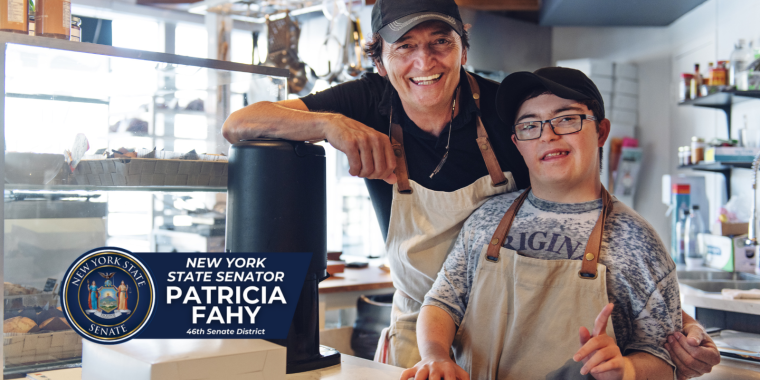
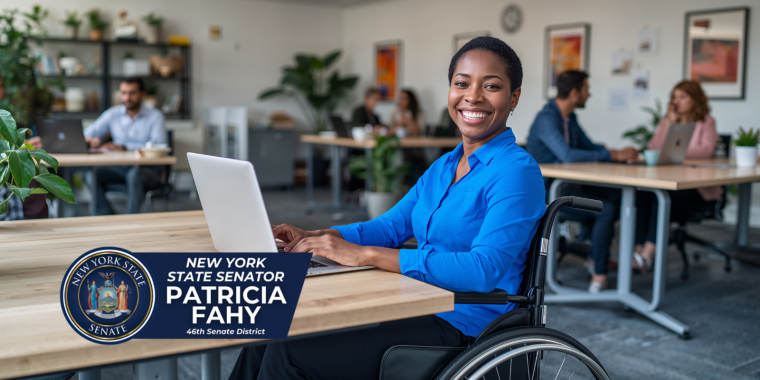
ALBANY, N.Y. — New York State Senate Disabilities Committee Chair Senator Patricia Fahy (D, WFP—Albany) and Labor Committee Chair Senator Jessica Ramos (D—Queens) were joined today by Senate colleagues and disability care advocates as they hosted a Joint Legislative Public Hearing examining persistent barriers to employment for New Yorkers living with disabilities, calling for renewed urgency and state action to expand opportunity statewide.
The hearing brought together a plethora of service providers, advocates, researchers, and state agencies, including ACCESS-VR, AHRC NYC, NYSID, Yang-Tan Institute, Our Ability, Inc., Helen Keller Services, Center for Disability Rights, and New York Association on Independent Living, reflecting the scale and urgency of the issue.
“New Yorkers living with disabilities want to work, but for far too long, they have faced mounting barriers to employment instead of receiving the support they need, similar to employers who want to hire New Yorkers living with disabilities,” said Chair of the Senate Disabilities Committee, Senator Patricia Fahy. “What we heard today was clear: we have the tools, the drive, and the programs necessary to make employment truly accessible if we make needed investments. Including more and more New Yorkers living with disabilities in our workforce is good for our economy, but it’s also about fairness. When we remove barriers, we strengthen our communities across New York at the same time. Today’s testimony reinforced that solutions are within reach if we continue to connect the dots between agencies, support providers on the ground, and make sure every New Yorker who wants to work has a real pathway and opportunity to do so.”
“Work should be a pathway to independence, not a system full of roadblocks," said Chair of the Senate Labor Committee, Senator Jessica Ramos. "Today’s hearing made clear that too many New Yorkers living with disabilities are still navigating barriers that we have the power to remove. From transportation to workplace accommodations to how our programs are structured, we need to be more intentional and more coordinated. Building an inclusive workforce isn’t just the right thing to do, it’s how we strengthen our economy and ensure everyone has a real chance to thrive.”
Across New York State, the employment gap between those living with disabilities and those not remains stark. According to the U.S. Department of Labor, only about 1 in 5 working-age people living with disabilities are employed, compared to roughly two-thirds of those without disabilities. In New York State, according a 2025 report from the New York State Comptroller, approximately 28.8% of New Yorkers with disabilities (aged 16 and over) participate in the labor force, with an estimated employment rate for working-age adults around 26%, far lower than the average labor participation rate. This is largely a result of the lack of transportation and workplace accommodations to benefit cliffs and outdated hiring practices.
Since COVID, this disparity has only grown; “Research has noted post-Covid labor market patterns differ from previous recessions in which employment recovery for people with disabilities lagged the nondisabled population, largely due to expanded remote work options for those who would have difficulty taking an in-person job, and a tighter labor market that encouraged more inclusive hiring.”
Testimony highlighted both the challenges and opportunities ahead for New Yorkers living with disabilities, providers, and employers. Providers emphasized the need for stronger workforce pipelines through programs like ACCESS-VR, compliance with New York’s preferred source program, while advocates called for modernizing state systems to better align with employer needs. Researchers from the Yang-Tan Institute have pointed to data-driven strategies that improve long-term job retention, and organizations like NYSID and Our Ability have continued to underscore the role of public-private partnerships in scaling inclusive hiring.
Panelists also stressed that employment is foundational to the independence, dignity, and community inclusion of New Yorkers living with disabilities. Self-advocates and independent living organizations described the real-world impact of barriers that persist like the subminimum wage, despite decades of progress under laws like the Americans with Disabilities Act.
Senators Fahy and Ramos noted that New York State has made meaningful investments in workforce development and disability services over the last few years but noted that more must be done to integrate those efforts and promote accountability across agencies.
Newsroom
Go to Newsroom