Op-Ed: Powering New York shouldn’t break the bank
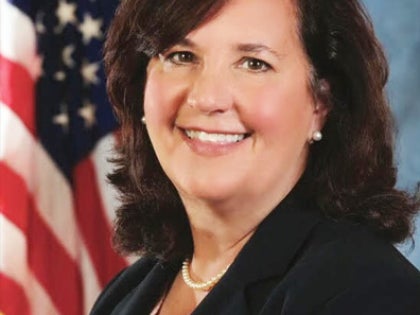
Patricia Canzoneri-Fitzpatrick
March 6, 2026
New Yorkers do not need another study to tell them their energy bills are too high. They see it every month when the statement arrives. As affordability remains at the forefront of the conversation in Albany, families are still waiting for real answers about one of the biggest drivers of their financial strain: soaring utility costs. As of November 2025, residential electricity prices in New York are 49 percent higher than the national average, placing yet another burden on families, seniors, and small businesses already stretched thin.
I support building a cleaner, more reliable energy grid for future generations. Responsible environmental stewardship and long-term sustainability are important goals. But the state’s current approach risks creating a system that our children and grandchildren simply will not be able to afford. Instead of keeping families here and strengthening our communities, we may be pricing them out of the state.
Mandates such as the All-Electric Buildings Act are accelerating costly transitions before many New Yorkers are financially prepared to absorb them. While well intentioned, these policies often shift significant costs onto homeowners, renters, and small businesses. The result is higher construction costs, higher rents, and higher home prices, adding fuel to an affordability crisis that is already out of control. When policy moves faster than people’s ability to pay for it, the consequences are real and immediate.
My colleagues in the Senate Republican Conference and I have consistently raised concerns that current energy policies are driving costs up rather than bringing them down. Through our Save New York legislative package, we have put forward a broad array of concrete proposals that would lower utility bills, improve oversight, and restore affordability for working families.
The 2025 Financial Plan released by the New York State Energy Research and Development Authority (NYSERDA) shows that more than $2 billion in unspent ratepayer funds at the end of the year. During the Joint Budget Hearing on Energy and Environmental Conservation, NYSERDA leadership indicated that the authority plans to reserve those funds for future use. However, New York families are struggling to pay their bills today.
While those dollars remain unspent, ratepayers continue to shoulder rising costs. Senate Bill S.8461, which I am proud to cosponsor, would require that any excess funds be returned directly to ratepayers as credits on their utility bills. This would put money back into residents’ pockets now, when they need relief the most. Additionally, just as the New York State Senate Republican conference led the successful charge in bringing a gas tax holiday to New York in 2022 when prices at the pump were soaring out of control, we are championing a similar holiday on utility bill and green energy taxes and surcharges. These are simple steps the state can take to deliver an immediate financial lifeline to New Yorkers.
Accountability must accompany policy. Not only must we ensure excess funds are returned to our residents, we must demand full transparency about what is driving monthly utility costs. As the sponsor of legislation requiring utilities to clearly itemize how much of each bill is tied to mandates from the Climate Action Council scoping plan, I believe ratepayers deserve to see exactly where their money is going. If Albany is going to impose or propose sweeping energy policies, it should be upfront about the price tag so New Yorkers can decide which initiatives are worth it.
I am also proud to cosponsor legislation to another piece of legislation to prevent costs in New York from spiraling further out of control. The All-Electric Buildings Act would drive up the costs of building new housing and would jeopardize grid reliability by shifting the state to a winter peaking system as homes are forced to rely on electricity for heating, rather than natural gas. Further, while New York’s gas and electric prices have historically been higher than the national average, electric prices in particular have been diverging upward from the national average since 2019, whereas natural gas prices in the state are more closely aligned with the nation. That is why I cosponsor legislation to repeal the All-Electric Buildings Act so that New Yorkers have the option to utilize cheaper natural gas.
Taken together, these proposals reflect a clear conclusion: New York’s current energy policies are driving costs higher and require meaningful reform. The solutions are already on the table. It is time to act. For too long, residents have carried the burden, and their calls for fairness, transparency, and affordability must be heard.
Share this Article or Press Release
Newsroom
Go to NewsroomTake the Questionnaire
Review the Petition
Review the Petition