New York Health Act Is Not the Answer to Our Health Care Problems
August 28, 2026
-
ISSUE:
- Health Insurance

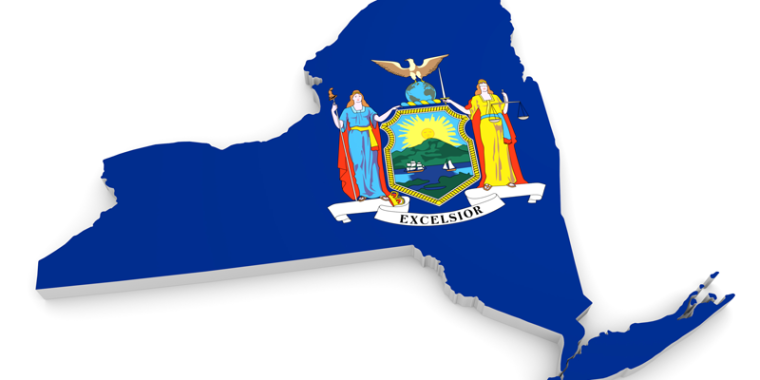
Federal changes in health care funding are once again putting a spotlight on legislation in Albany that was initially proposed in 1991. The New York Health Act (NYHA) would abolish the state’s existing health insurance system and replace it with a single payer, government-run program financed by taxpayers. As the ranking member of the Senate Health Committee, I have heard plenty of debate on this critical issue. The fact that the legislation has not come close to passing the full legislature over the past 35 years indicates there are serious concerns with this proposal.
The NYHA would be the first of its kind in the world. It would cover 20 million NY residents with no limits on coverage, no prior authorizations, no provider networks, and no cost sharing requirements, such as patient premiums and co-pays. It would replace all existing forms of coverage, including private insurance, employer-sponsored plans and government-operated systems such as Medicare and Medicaid. In 2018, the independent RAND Corporation estimated the cost to taxpayers would be $160 billion in the first year alone. Today’s number would be dramatically higher. In fact, the Campaign for New York Health, which supports the single-payer plan, estimates new taxes would need to raise over $172 billion in the first year. Another report by the Empire Center for Public Policy warns the NYHA would result in a massive tax increase, likely the largest ever enacted by any state. We need an updated, independent study to better determine the cost and the impact on taxpayers.
The Empire Center also predicts the tax hikes would further harm the state’s competitiveness for business development and economic growth. The NYHA identifies two sources of funding for the program, a tax on payroll income and a tax on income from non-payroll sources, such as business and investments. Those with higher incomes would pay more and critics of the plan say that it may encourage some residents and businesses to leave New York.
The legislation also fails to address the impact on health care-related jobs. Past studies by RAND and the Foundation for Research on Equal Opportunity suggest statewide employment could contract by 150,000 to 300,000 jobs across insurance, financial, and health care sectors due to changes imposed by the NYHA.
Finally, we should consider the far from perfect record of existing government provided health plans. Medicare, for example, is an overly complex program that fails to cover basic services such as dental and vision while facing long-term financial stability challenges.
We clearly must do more at the state, and more importantly, federal level to ensure quality, affordable health care for all, but the NYHA is not the answer. While it sounds pollyannish, we can only solve this by working together. Let’s fix this the right way.