Vocal Public Pushback Leads to Lower Utility Rate Hikes from Con Edison
Originally published in
Habitat Magazine
on
.

After receiving a record outpouring of 20,000 public comments on double-digit utility rate-hike requests — mostly in opposition — Con Edison and the Public Service Commission (PSC) have lowered the request for additional gas revenue by about 60% and by about 34% for electricity. The agreement, known as a Joint Proposal, must now be approved by the full PSC before the rate hikes can go into effect.
For electricity customers, rates will go up by 3.5% 2026, 3.2% for 2027 and 3.1% for 2028, according to a summary of the agreement between Con Ed and the state. For New York City residents, this adds up to about a $4 monthly increase next year, Gothamist reports.
Gas rates will go up by 4.4% next year, 5.7% in 2027 and 5.6% in 2028. Next year’s monthly bills will see an average increase of $10.67. In the second year, bills will go up by another $14.38, and in 2028 customers will have to pay $15.08 more every month.
Still, that’s significantly less than Con Ed had asked for when it filed its new rate case with the PSC in January. The original proposal for a one-time hike to take effect in 2026 would have raised gas bills by an average of roughly 13% or $46.42 per month. Electric bills would have increased by about 19% or an additional $26.60 per month.
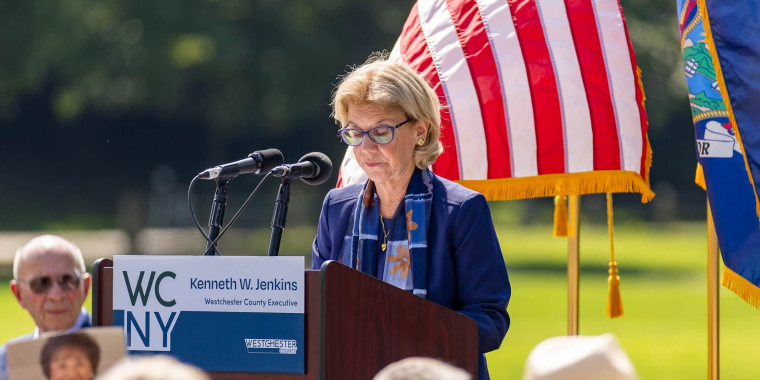
With the housing affordability crisis worsening, the proposed rate hikes were met with vigorous and disciplined opposition. Among those arguing against the proposed double-digit hikes was the Westchester Municipal Consortium (WMC), composed of 40 municipalities throughout the county.
“While the reductions do not go as far as we had proposed, they are a substantial move in the name of affordability,” said Joel Dichter, counsel for the WMC. “This outcome reflects how much can be accomplished when Westchester’s municipalities stand together for a common goal.”
Con Edison spokesperson Jamie McShane told the Rye Record: “This process worked as designed … producing a plan that balances the immediate affordability challenge with the investments necessary to maintain system reliability and resilience in the short term.”
Not everyone is thrilled with the Joint Proposal. State Sen. Shelley Mayer (D-Rye) said it "fails to adequately address the affordability crisis facing my constituents. While this proposal is an improvement on ConEd’s original filing, given the depth of the crisis, it does not go far enough for members of our community.”