Senator Rachel May Secures Environmental Review Reforms in State Budget to Support Housing Growth
May 28, 2026

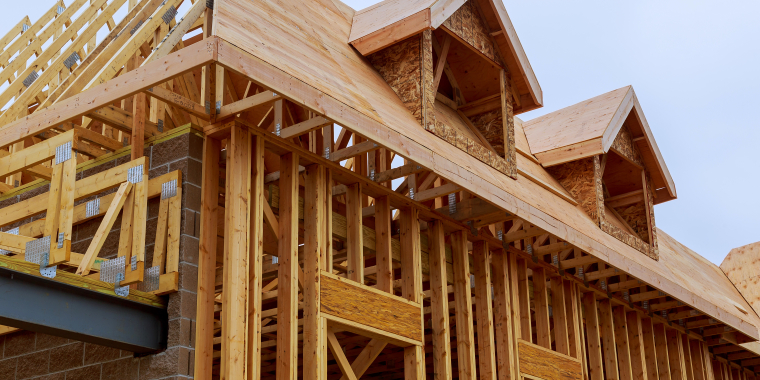
Budget language reduces delays and helps move new housing projects forward
ALBANY, NY - On Tuesday, the New York State Senate passed a budget bill that includes environmental review reforms designed to support smart housing growth. The legislation incorporates portions of Senator May’s Sustainable Housing and Sprawl Prevention Act, a key part of her housing agenda. These reforms update the environmental review process to reduce unnecessary barriers, streamline approvals, and help accelerate the construction of much-needed housing across New York.
“Our environmental review process for housing has too often led to costly delays, stalled projects, increased housing costs, and favored sprawl over infill development. I worked to ensure this year’s budget included language from my bill to streamline environmental review and reduce unnecessary barriers to construction, making it easier to build housing that is good for the climate. As New York faces a growing housing crisis, we need smarter, more efficient ways to build affordable housing, and including SEQR reform in the budget is an important step toward making that happen. Thank you to Governor Hochul, Majority Leader Andrea Stewart-Cousins, my Senate colleagues, and everyone who advocated for these reforms. Now, let’s get building so more New Yorkers have access to safe, affordable, quality housing,” said Senator Rachel May
New York’s housing shortage has pushed rents and home prices out of reach for many working families. Communities need more affordable and mixed-income housing, but local opposition and misuse of SEQR have delayed projects and increased costs, especially near jobs, schools, transit, and population centers. When housing is stalled for reasons outside SEQR’s environmental purpose, fewer homes get built, inequities grow, and development is pushed farther from existing communities, increasing sprawl and worsening both the housing and climate crisis.
The language passed by the Senate yesterday updates SEQR for housing projects in infill or already developed areas. It keeps the focus on core environmental protections, including identifying and remediating soil contamination, ensuring adequate sewer capacity, maintaining or improving stormwater performance, and incorporating sustainable, energy-efficient building standards. Projects that meet these standards would be protected from lawsuits based on subjective claims that too often delay or derail needed housing developments.
related legislation
Newsroom
Go to Newsroom