Commentary: Reentry healthcare stabilizes lives. New York must take steps to protect it.
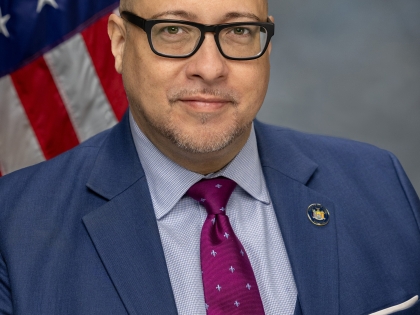
Senator Gustavo Rivera
August 28, 2026
Times Union Article: Commentary: Reentry healthcare stabilizes lives. New York must take steps to protect it.
Sign the Transitional Reentry Health Act and protect access to care for New Yorkers
recently released from prison
By Gustavo Rivera, For the Times Union Aug 28, 2026
New Yorkers should be proud of our state’s leadership at the intersection of health and criminal justice. Over the past decade, New York has taken meaningful steps to reduce mass incarceration, address longstanding inequities and prioritize treatment and rehabilitation over criminalization.
From ensuring postpartum health coverage for low-income mothers to increasing access to addiction treatment and improving pathways for reentry, the state has made important advances in building health equity and a more just criminal legal system. These reforms have improved lives while strengthening public health and safety statewide. The Legislature’s passage of the Transitional Reentry Health Act (S614B/A269A) builds on this progress.
Recognizing that people leaving incarceration face an extraordinarily high risk of death in the first weeks after release, the legislation aims to ensure they have Medicaid coverage and can access the medications, treatment and health services they need. When people’s health needs are met after their release from prison, they’re better positioned to secure housing, employment and long-term stability — and that will benefit families and communities alike.
Gov. Kathy Hochul should promptly sign the Transitional Reentry Health Act into law. But we can’t stop there: Other challenges to the well being of justice-involved New Yorkers are on the horizon. Leaders statewide should prepare now for sweeping federal Medicaid changes enacted through H.R. 1, the “One Big Beautiful Bill.”
New work reporting requirements beginning in 2027 could jeopardize coverage for hundreds of thousands of New Yorkers, including those rebuilding their lives post-incarceration. Experience from other states shows that work requirements often cause people to lose coverage not because of ineligibility, but because of complicated reporting systems and administrative burdens. The recently expanded federal work requirements in the Supplemental Nutrition Assistance Program have already resulted in over 22,000 New Yorkers losing benefits in the first month alone, underscoring the dire need to prevent similar disruptions in Medicaid.
For formerly incarcerated people — who often manage serious health conditions while facing discriminatory barriers to housing and employment — even brief gaps in coverage can derail reentry and even prove deadly.
The Reentry Act will help address this challenge, but New York must also implement the new requirements in ways that proactively protect eligible people from losing coverage. Although federal law provides a three-month post-release exemption, that window is too short. It takes an average of six months for formerly incarcerated people to find employment, and many need longer.
Thus, in addition to streamlining the reporting and verification processes associated with the requirements, the state should use all available exemptions to protect as many enrollees as possible from losing Medicaid. Strengthening coordination among correctional facilities, Medicaid offices, community-based providers and reentry organizations will also be crucial, so eligible justice-involved individuals can easily access exemptions or satisfy the requirements through education, volunteering and other qualifying activities.
New York has spent decades building a more effective and humane approach to criminal justice and public health. By making the Reentry Act law and thoughtfully implementing federal Medicaid changes, state leaders can protect those gains, sustain progress and prevent administrative hurdles from denying care to people when they need it most.
State Sen. Gustavo Rivera of the Bronx represents the 33rd Senate District and is the chair of the Senate Health Committee